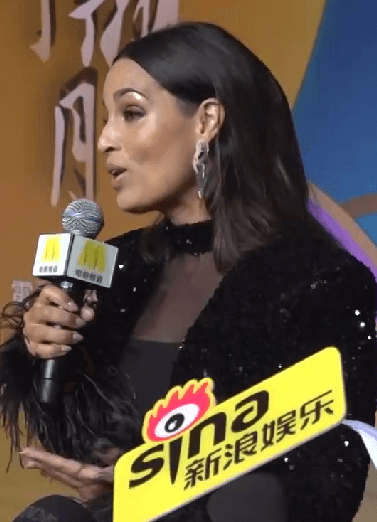
이효리
Sultry, confident K-pop that defined an era. From high-energy dance anthems to mature, self-produced reflections, it is the sound of a superstar finding her own voice.
Sultry, confident K-pop that defined an era. From high-energy dance anthems to mature, self-produced reflections, it is the sound of a superstar finding her own voice.
Lee Hyori represents the ultimate evolution of the K-pop idol. Her music is characterized by a magnetic, effortless cool that balances high-gloss production with a raw, human core. Early in her solo career, she mastered the art of the 'urban diva,' blending hip-hop rhythms with pop hooks that feel both glamorous and approachable. As she matured, her sound expanded to include earthy folk, bluesy undertones, and disco-tinged reflections, mirroring her personal journey from a pop phenomenon to a self-assured artist.
What truly sets her apart is her vocal delivery: a breathy, mezzo-soprano tone that prioritizes emotional resonance over technical gymnastics. She has a unique ability to make a massive dance track feel like a personal conversation. Whether she is delivering a brassy, high-energy anthem or a stripped-back acoustic ballad, there is a consistent sense of autonomy and 'Hyorish' charisma that makes the music feel lived-in and authentic.
Newcomers should start with the 2003 classic 'Stylish...' to understand the 'Hyori Syndrome' that swept Korea, then move to 'BLACK' to hear her transition into a more experimental, self-composed era. It is music for anyone who values confidence, growth, and the courage to reinvent oneself in the public eye.
Lee Hyo-ri (Korean: 이효리; born May 10, 1979) is a South Korean singer. She debuted as a member of group Fin.K.L in 1998, which became one of the most popular girl groups in South Korea during the late 1990s and early 2000s. Aside from Fin.K.L, she has also participated in several project groups, including the Refund Sisters and SSAK3 in 2020. Lee made her solo debut in August 2003 with the release of Stylish.... The album sold over 150,000 copies and spawned the hit single "10 Minutes". The song received widespread recognition in South Korea and led Lee to win numerous grand prizes (daesangs) at domestic year-end award ceremonies, including at the KBS Music Awards, SBS Gayo Daejeon, Mnet Music Video Festival, and the Seoul Music Awards. Her significant popularity in South Korea at the time was dubbed the "Hyori Syndrome" by Korean media, with some also deeming 2003 "the year of Hyori". Lee's sophomore studio album, Dark Angel (2006), spawned several singles including "Get Ya!". The album was a critical failure, however, with "Get Ya!" receiving accusations of plagiarism. Her third studio album, It's Hyorish (2008), was better received critically and became the best-selling album by a female soloist in 2008. Its single, "U-Go-Girl", ranked atop the music program charts for multiple weeks. Lee once again faced plagiarism accusations with her next album, H-Logic (2010), when composer Bahnus was found to have plagiarized seven of the album's tracks. She subsequently took a temporarily hiatus from the entertainment industry, and became a spokesperson for various causes such as animal rights. On television, Lee was dubbed the "Nation's Fairy" during her days on variety show Family Outing, and received the Grand Prize at the 2009 SBS Entertainment Awards for the program (alongside Yoo Jae-suk). In 2006, Lee became the highest-paid female singer in South Korea when she signed a contract with Mnet Media. The Korea Times named Lee one of the top 10 Most Influential Women on the Cultural Scene since 1950. Mnet ranked her number 42 in their Legend 100 Artists list in 2013.
Shares dance-pop, contemporary r&b, synth-pop (subgenres); confident, playful, empowering (moods)
Shares dance-pop, contemporary r&b, synth-pop (subgenres); studio polished, maximalist, compressed loud (production style)

Shares dance-pop, contemporary r&b, synth-pop (subgenres); studio polished, maximalist, analog warmth (production style)
Shares dance-pop, contemporary r&b, synth-pop (subgenres); studio polished, maximalist, compressed loud (production style)
Shares confident, playful, nostalgic (moods); dance-pop, contemporary r&b, synth-pop (subgenres)
Cassette uses generative AI to enrich its catalog. How we use AI →