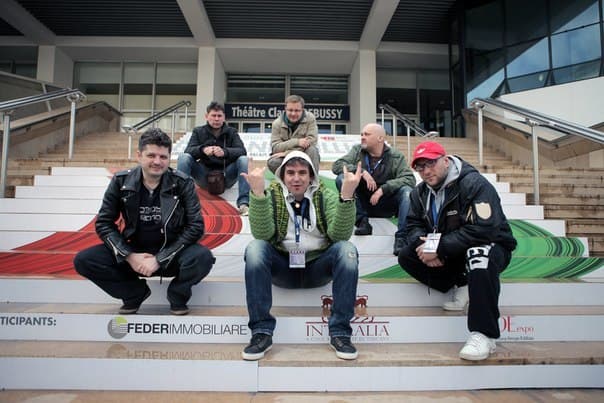
Ночные Снайперы
Literary Russian rock that balances violin-laced folk roots with raw, electric grit. Intense, poetic, and deeply urban. Perfect for late-night introspection.
Literary Russian rock that balances violin-laced folk roots with raw, electric grit. Intense, poetic, and deeply urban. Perfect for late-night introspection.
Nochnye Snaipery sounds like the intersection of a rain-slicked Moscow street and a dusty library of forbidden poetry. It is music built on the friction between Diana Arbenina’s gravelly, commanding vocals and the melodic, often melancholic undercurrents of their arrangements. There is a palpable sense of movement in their sound, a restless energy that feels like it’s constantly traveling between acoustic intimacy and full-band rock catharsis.
What truly sets them apart is their intellectual weight. They don't just write songs; they construct narratives that feel inherited from the Russian Silver Age, occasionally setting the works of Akhmatova or Brodsky to music. The presence of the violin in their classic era provides a sharp, classical edge that cuts through the standard rock instrumentation, creating a sound that is both sophisticated and primal. It is the sound of a woman who has seen the edge and decided to sing about it.
Start with the album Tsunami for their most potent blend of rock energy and poetic depth. If you prefer something more stripped-back and haunting, their early acoustic work captures the raw chemistry that made them a cult phenomenon before they conquered the Russian mainstream.
Nochnye Snaipery (Russian: Ночные Снайперы, lit. 'Night Snipers') is a Russian rock group. It was founded in 1993 as an acoustic female duo of Diana Arbenina and Svetlana Surganova. Arbenina and Surganova played guitar and violin respectively, sharing the vocal and songwriting duties evenly, eventually adding amplification to the band. Since its inception, the band has participated in a variety of Russian musical festivals — from the underground (such as Babye Leto and Moguchaya Kuchka) to the major events (Nashestvie, Maxidrom, Krylya), as well as touring extensively domestically and abroad. The band's best known singles are "Tridtsat Pervaya Vesna" ("31st Spring"), "Rubezh" ("Frontier"), "Stolitsa" ("Capital"), "Asfalt" ("Asphalt"), and "Aktrisa" ("Actress"). The majority of the songs in the band's repertoire is written by Arbenina and Surganova, but some use the poetry of such famous authors as Joseph Brodsky, Anna Akhmatova, and Federico García Lorca. In 2002, Svetlana Surganova left the band to create her own group Surganova i Orkestr ("Surganova and Orchestra"), and Arbenina remained as Nochnye Snaipery's lead vocalist.

Shares analog warmth, stripped back, studio polished (production style); defiant, melancholic, intense (moods)
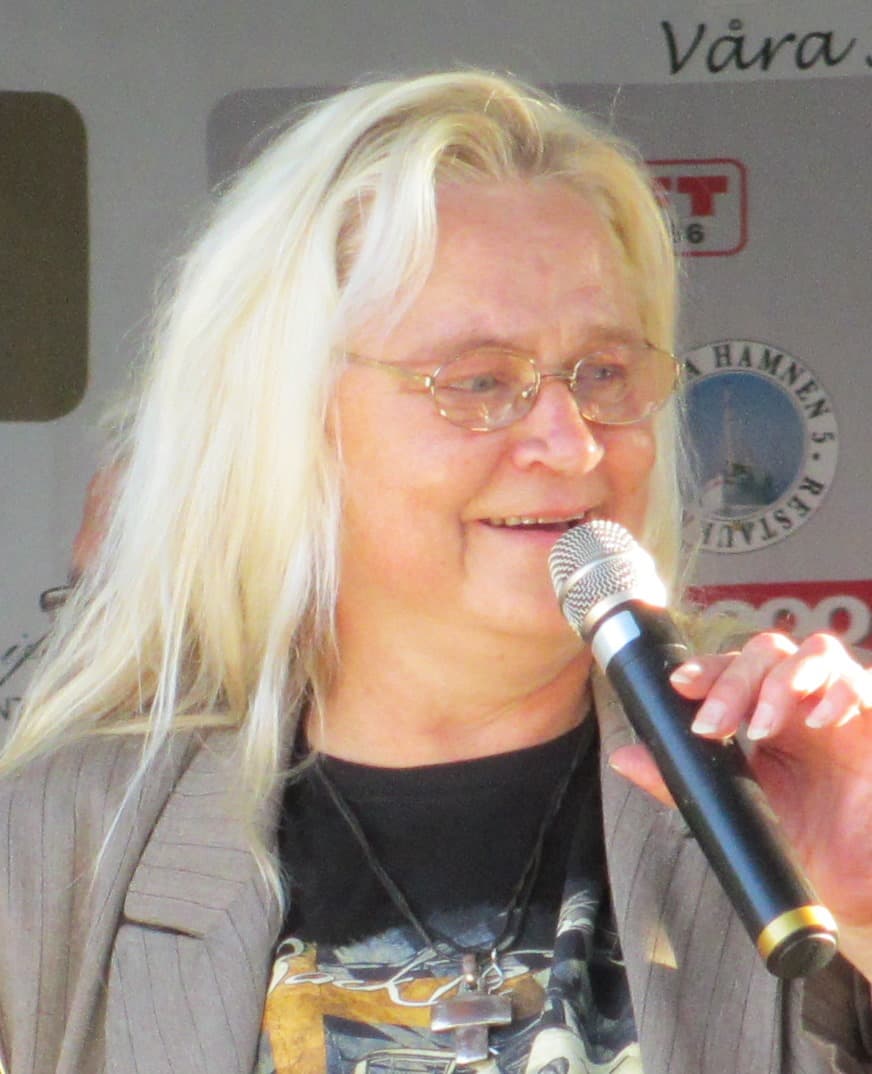
Shares analog warmth, stripped back, studio polished (production style); folk rock, art rock, pop rock (subgenres)

Shares analog warmth, stripped back, studio polished (production style); defiant, melancholic, wistful (moods)

Shares art rock, pop rock, alternative rock (subgenres); analog warmth, studio polished, live recording (production style)
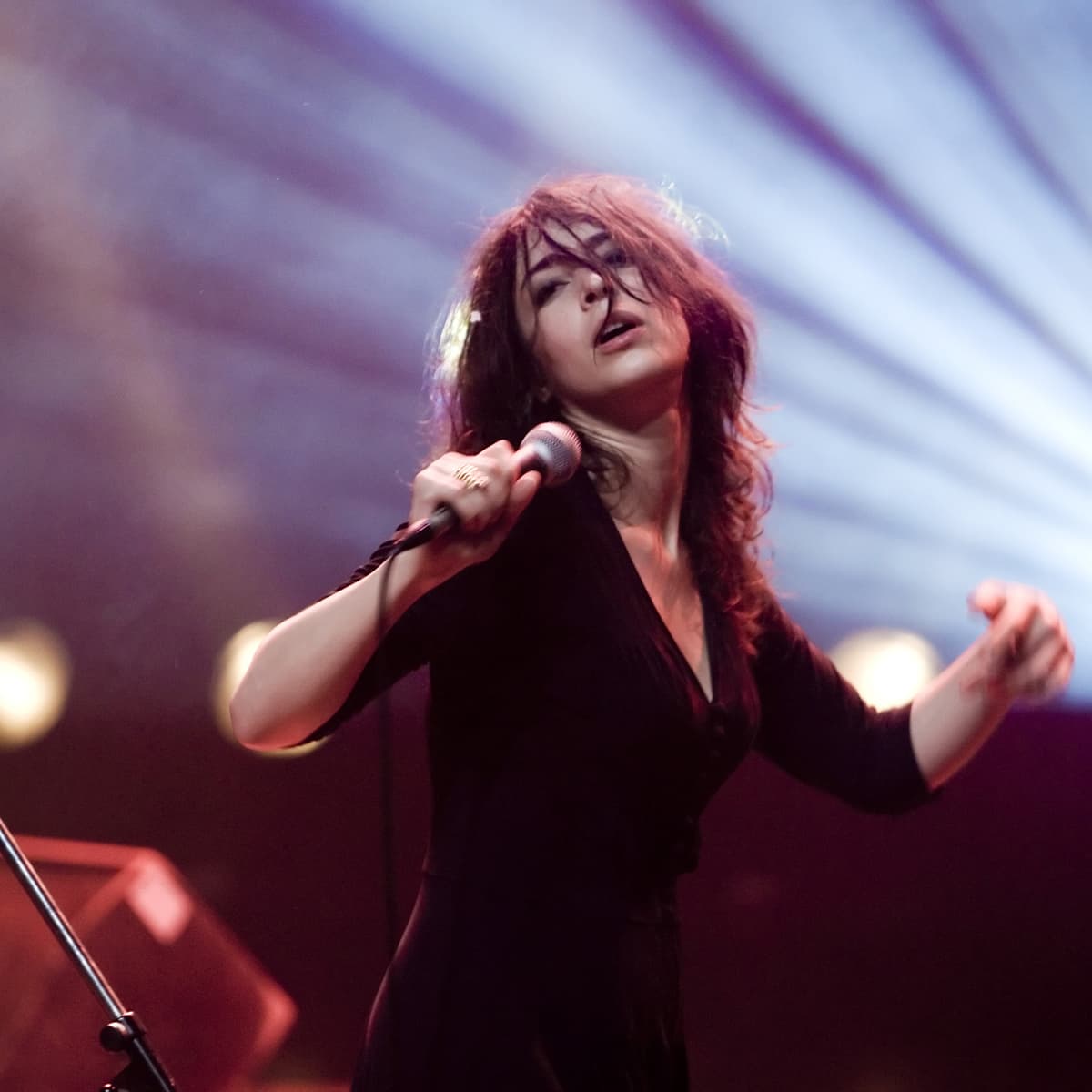
Shares analog warmth, stripped back, studio polished (production style); alternative rock, pop rock, art rock (subgenres)
Shares alternative rock, art rock, pop rock (subgenres); raspy, intense, belting (vocal style)
Cassette uses generative AI to enrich its catalog. How we use AI →