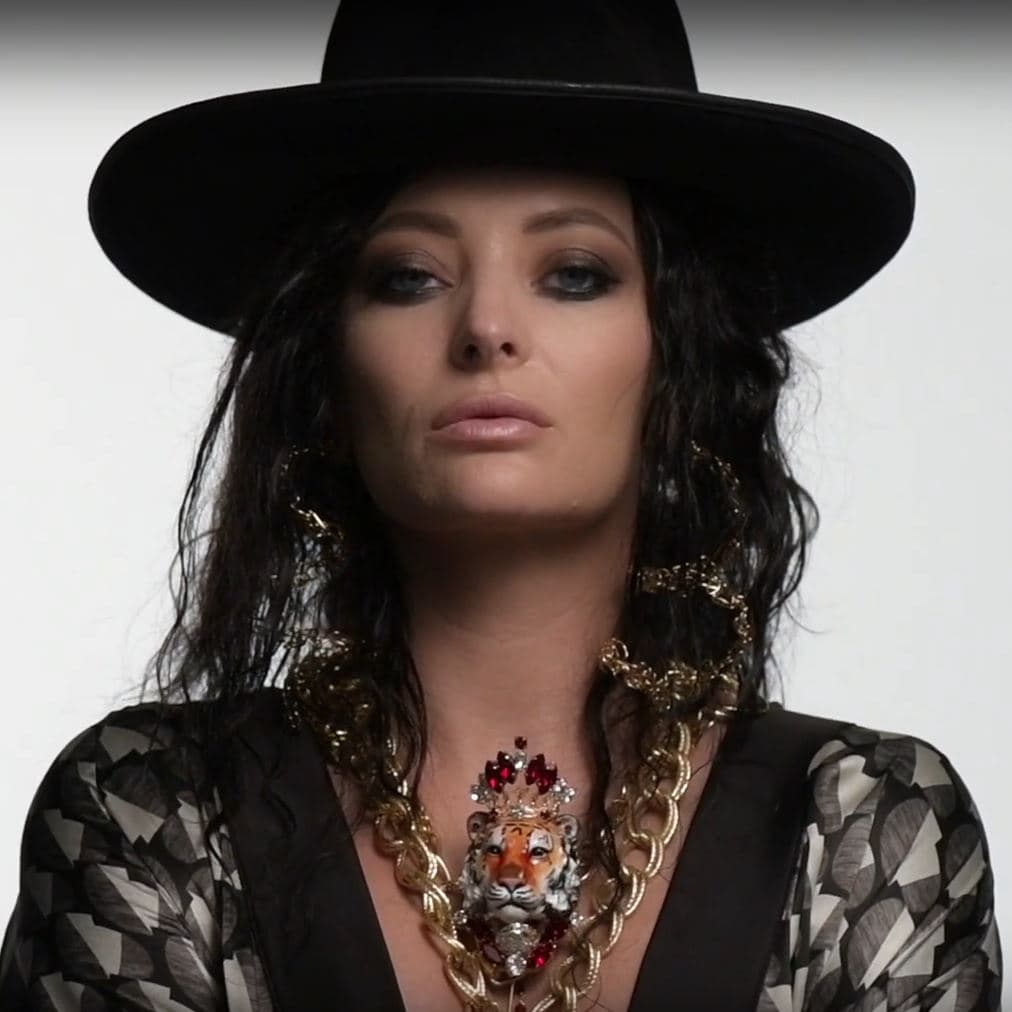
安室奈美恵
Sleek, high-gloss pop that evolved from 90s Eurobeat into sophisticated R&B. Empowering anthems for city nights and personal breakthroughs.
Sleek, high-gloss pop that evolved from 90s Eurobeat into sophisticated R&B. Empowering anthems for city nights and personal breakthroughs.
Namie Amuro’s music feels like a high-definition journey through the evolution of Tokyo’s soundscape. It begins with the frantic, neon-soaked energy of 90s Eurobeat, full of rapid-fire synths and soaring choruses that defined an entire fashion era. As she matured, the sound shifted into a cool, calculated R&B aesthetic, trading the frenetic pace for deep basslines, syncopated grooves, and a vocal confidence that feels both untouchable and deeply personal.
What sets her apart is the sheer precision of her delivery. Whether she is navigating a complex Dallas Austin hip-hop beat or a sweeping Komuro ballad, there is a rhythmic staccato to her vocals that feels uniquely disciplined. Her music captures the tension between being a public icon and a private individual, often blending English and Japanese in a way that feels like a modern, globalized dialect of pop.
Start with 'BEST FICTION' to hear her at the peak of her powers, where the production is most polished and the hooks are undeniable. For a trip back to where the phenomenon began, the '181920' compilation captures the high-energy dance-pop that made her a cultural legend.
Namie Amuro ( NAH-mee-AY; Japanese: 安室 奈美恵, romanized: Amuro Namie; born September 20, 1977) is a retired Japanese singer. She rose to prominence as a teen idol, and transitioned into a leading pop artist due to her versatility across music styles and visual presentation. Due to her career reinventions and longevity, she is known as an icon across Japan and Asia. She has been referred to as the "Queen of Japanese Pop", and her influence domestically has drawn comparisons to artists such as Janet Jackson and Madonna in Western pop culture. Born in Naha, Okinawa, Amuro debuted as the lead singer of the idol group Super Monkey's in 1992 when she was 14 years old. Despite early sales disappointments, Amuro's rising popularity helped to score a major hit with the 1995 Eurobeat single "Try Me (Watashi o Shinjite)". Signing to Avex Trax for her solo career, Amuro catapulted to fame with a string of number one singles including "Chase the Chance" and "Don't Wanna Cry". A close partnership with renowned producer Tetsuya Komuro resulted in a dance-pop sound with Western influences. Her first four releases, including Sweet 19 Blues (1996) and Concentration 20 (1997), each received multi-million certifications. Her 1997 single "Can You Celebrate?" remains as the best selling single by a solo female artist in Japanese music history. In the early 2000s, "Never End" became Amuro's last successful single before a decline in sales, and her music began evolving from pop to R&B as she reined in creative control of her career. This transition was marked by the Suite Chic project in 2002 and her sixth studio album Style (2003). Amuro's eighth studio album, Play (2007), with the hit single "Baby Don't Cry", began a period of commercial resurgence. Her comeback was solidified with the 2008 single "60s 70s 80s" and its parent release Best Fiction. She continued to experiment musically in the 2010s, dabbling in EDM and recording in English, beginning with her tenth studio album Uncontrolled (2012). It featured the million-certified single "Love Story". She later founded her own management company, Stella88, and record label, Dimension Point. Amuro finished her career with the 2017 greatest hits album Finally, which became the best selling album of the decade and made her the only artist to achieve a million-seller in each of their teens, 20s, 30s and 40s. She officially retired from the music industry on September 16, 2018. As it coincided with the closure of the Heisei era (1989–2019), she became labelled as the representative "Heisei diva" with many calling it the "end of an era", in both senses. Having sold more than 40 million records, Amuro is recognized as one of the best-selling artists in Japan by Oricon. She has received accolades from the Japan Record Awards, Japan Gold Disc Awards, MTV Video Music Awards Japan and the World Music Awards.

Shares dance-pop, contemporary r&b, synth-pop (subgenres); studio polished, maximalist, digital clarity (production style)

Shares dance-pop, contemporary r&b, synth-pop (subgenres); studio polished, maximalist, digital clarity (production style)

Shares studio polished, maximalist, digital clarity (production style); dance-pop, contemporary r&b (subgenres)
Shares dance-pop, contemporary r&b, synth-pop (subgenres); studio polished, maximalist, digital clarity (production style)
Shares contemporary r&b, dance-pop, synth-pop (subgenres); studio polished, digital clarity, layered dense (production style)
Shares dance-pop, contemporary r&b, synth-pop (subgenres); studio polished, maximalist, digital clarity (production style)

Shares studio polished, maximalist, digital clarity (production style); dance-pop, contemporary r&b, synth-pop (subgenres)

Shares studio polished, maximalist, digital clarity (production style); dance-pop, contemporary r&b, synth-pop (subgenres)
Cassette uses generative AI to enrich its catalog. How we use AI →