Maki Nomiya is the ultimate avatar of cosmopolitan cool. Her music is a lush, technicolor dream of 1960s French pop, bossa nova, and disco, all filtered through a high-gloss 1990s Tokyo lens. It sounds like a perfectly curated boutique: expensive, colorful, and deeply intentional. Her vocals are often light and airy, floating over dense arrangements of brass, strings, and vintage synthesizers.
What makes her truly distinctive is her role as a cultural curator. She doesn't just sing songs; she inhabits a specific aesthetic of 'Shibuya-kei' that blends global retro influences with a modern, urban irony. There is a sense of 'play' in everything she does, from the kitschy samples to the high-fashion visual presentation, making the listener feel like they've been invited to the most exclusive party in the city.
Start with 'Dress Code' to hear her solo peak of sophisticated lounge-pop, or dive into '30' for a career-spanning look at how she reinvented her own classics. It is music for people who believe that getting dressed is a performance art and that the world looks better through a designer lens.
Maki Nomiya (Japanese: 野宮 真貴, Hepburn: Nomiya Maki; born March 12, 1960) is a Japanese singer and musician. She is known as the "Queen of Shibuya-kei" (渋谷系の女王, Shibuya-kei no Joō). Maki released her first solo album in 1981, and worked through the 1980s as the lead vocalist of the new wave band Portable Rock. In 1991, she became the lead singer of the band Pizzicato Five. When the group disbanded in 2001, she embarked on a solo career. She also appears singing solo on the soundtrack of the game We Love Katamari and in the 2008 Japanese version of Just One Second (Jikan Wo Tomete) by London Elektricity.


Shares synth-pop, disco, chamber pop (subgenres); studio polished, maximalist, sample based (production style)
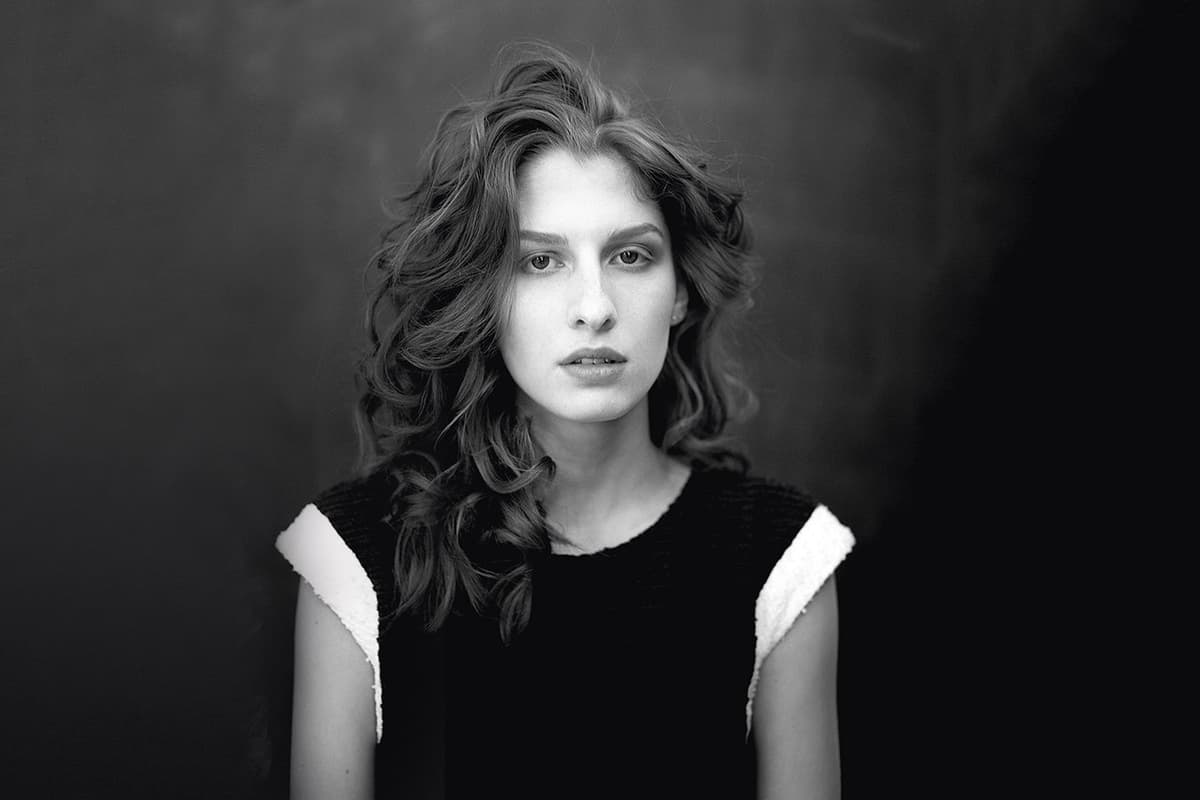
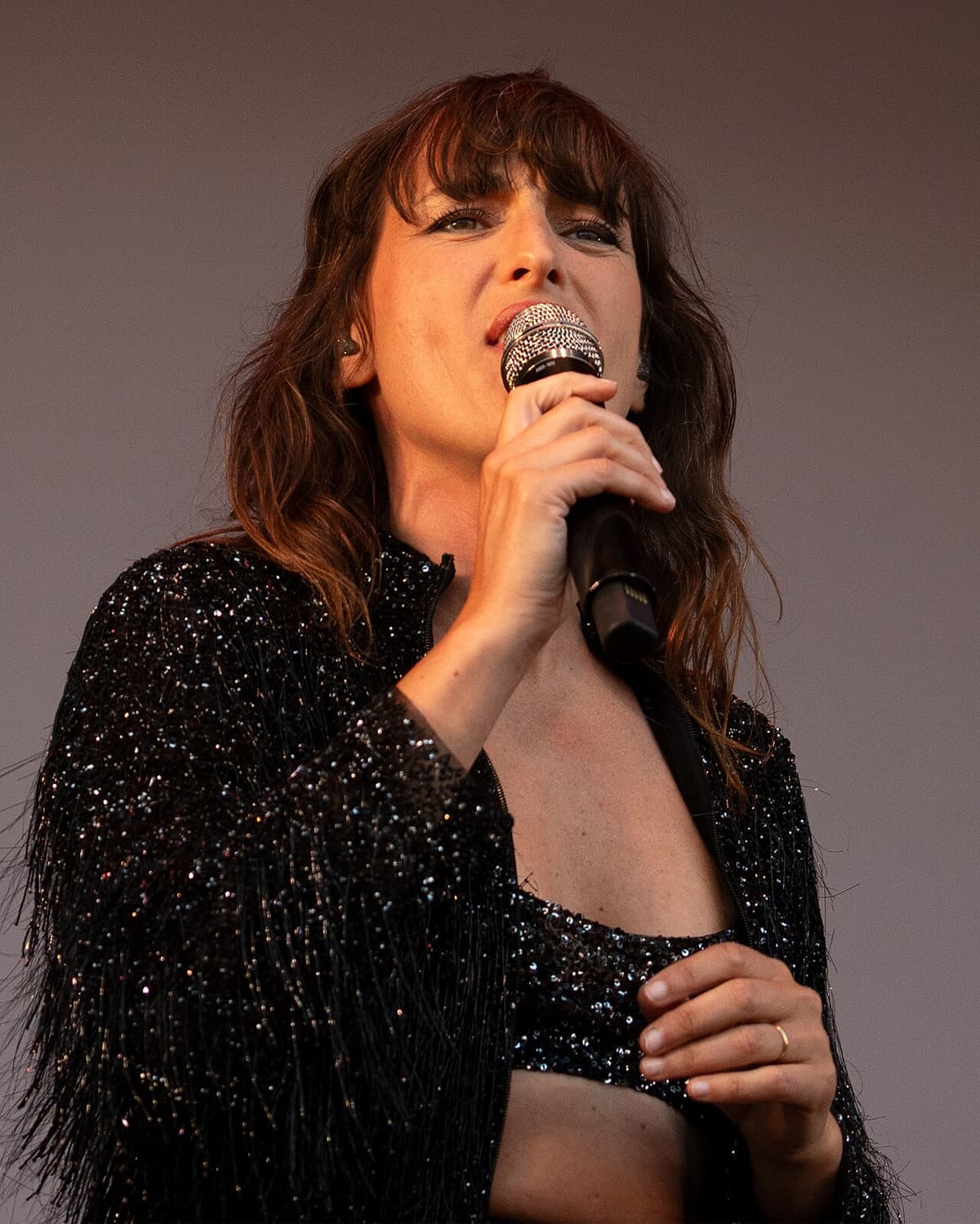
Shares synth-pop, disco, chamber pop (subgenres); studio polished, orchestral arrangement, hi fi (production style)
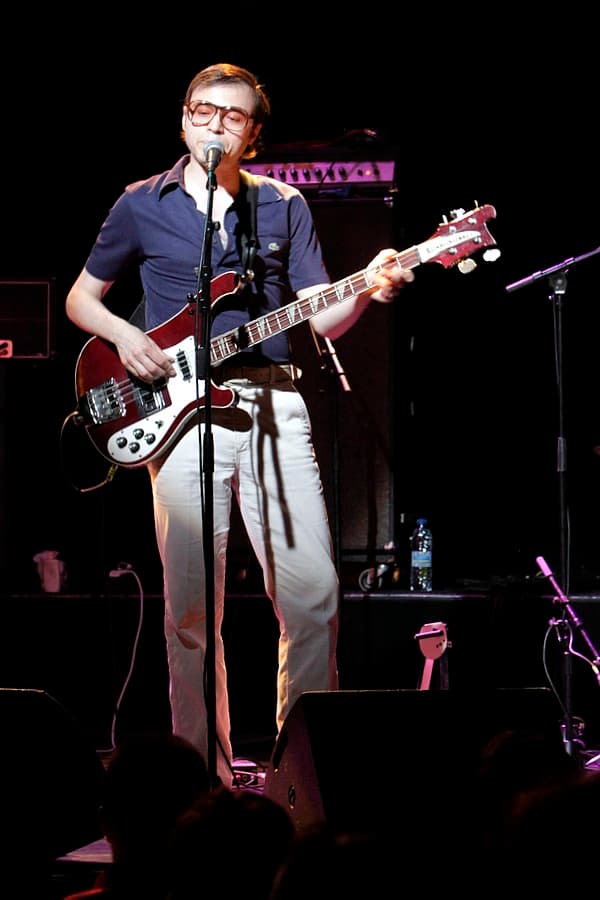
Shares hi fi, maximalist, studio polished (production style); playful, nostalgic, joyful (moods)
Shares synth-pop, disco, art pop (subgenres); rooftop, urban night, coffee shop (atmosphere)
Shares playful, nostalgic, joyful (moods); synth-pop, disco, chamber pop (subgenres)
Shares synth-pop, chamber pop, art pop (subgenres); rooftop, urban night, coffee shop (atmosphere)
Shares synth-pop, disco, chamber pop (subgenres); sample based, studio polished, maximalist (production style)
Shares playful, joyful, nostalgic (moods); maximalist, studio polished, orchestral arrangement (production style)
Shares disco, art pop, chamber pop, orchestral arrangement (subgenre)
Shares art pop, breathy, synth-pop, coffee shop (signature)
Cassette uses generative AI to enrich its catalog. How we use AI →