Олег Газманов
High-energy Russian pop featuring soaring anthems, gymnastic stage presence, and a blend of military-inspired rhythms with 90s synth-rock. Bold, brassy, and patriotic.
High-energy Russian pop featuring soaring anthems, gymnastic stage presence, and a blend of military-inspired rhythms with 90s synth-rock. Bold, brassy, and patriotic.
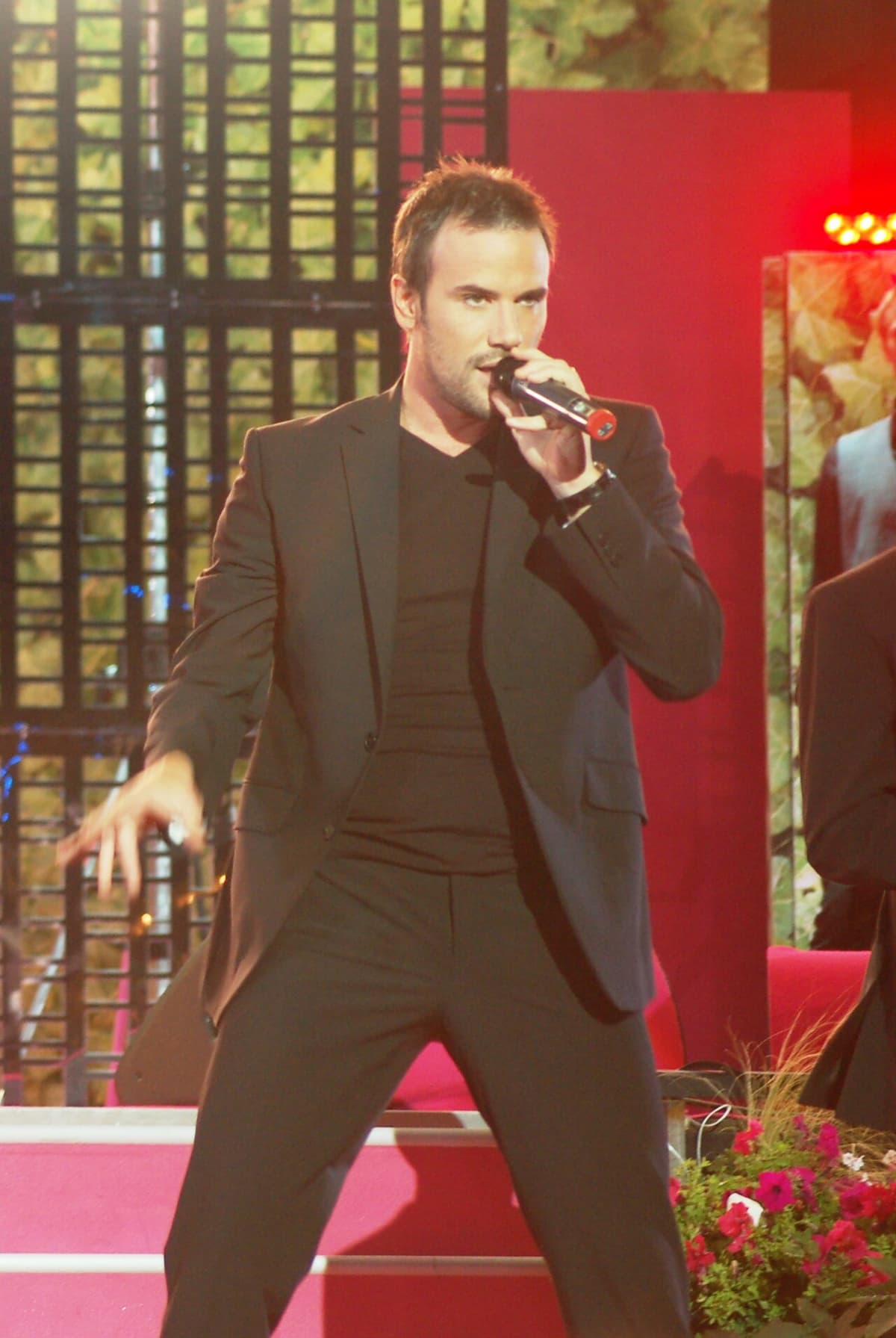
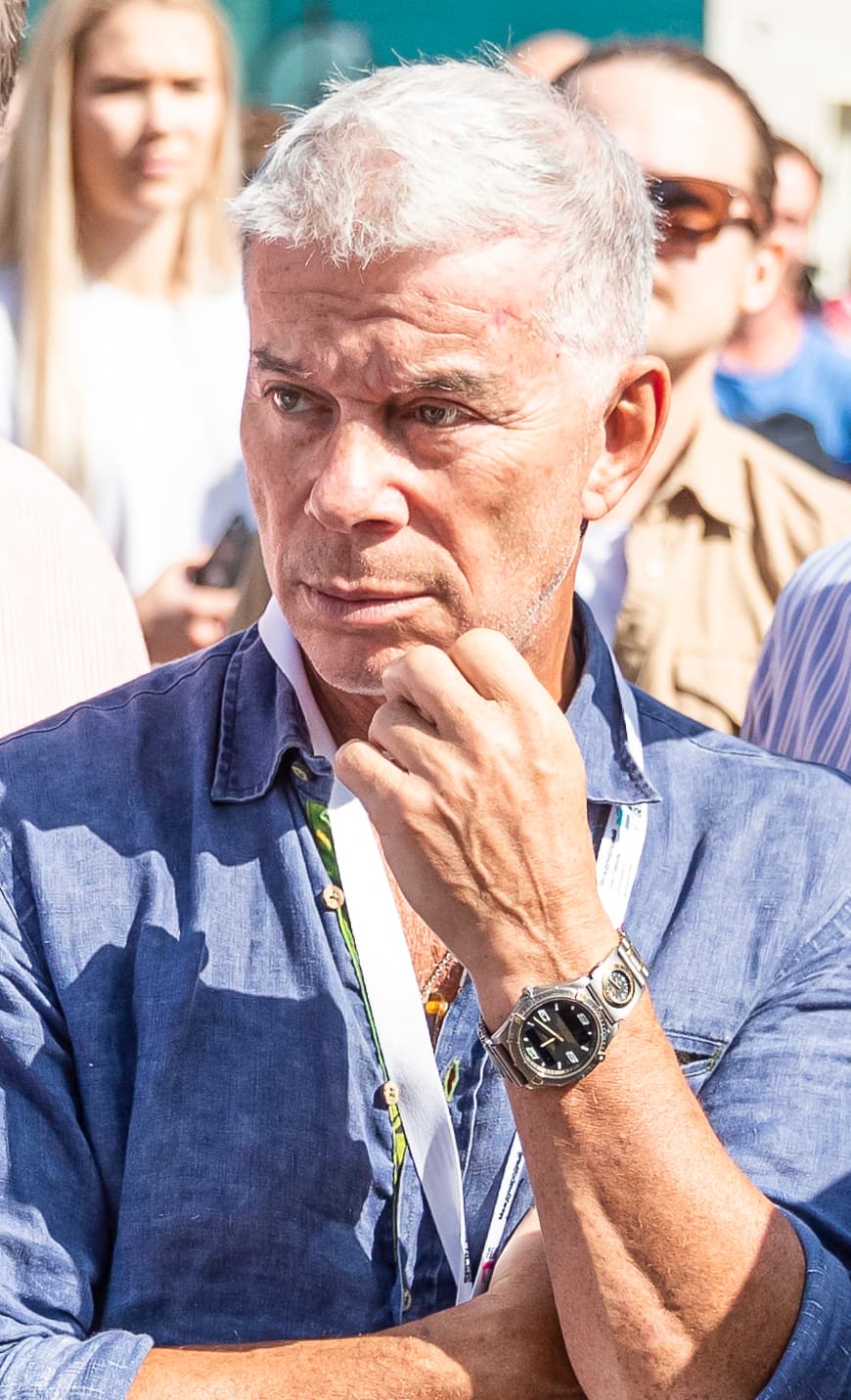
Oleg Gazmanov is a central figure in the Russian pop establishment, known for a career that successfully bridged the gap between late-Soviet variety music and the commercial pop of the 1990s and beyond. His sound identity is defined by 'Patriotic Pop,' a subgenre he helped codify through the use of military imagery, folk-inflected melodies, and high-energy rock arrangements.
A former gymnast and Master of Sport, his live performances are historically significant for their acrobatic elements, which became a signature of his 'Eskadron' group. Culturally, Gazmanov occupies a position of state-aligned prominence, frequently headlining government-sponsored concerts and rallies. His influence web extends to the 'Chanson' scene through covers by artists like Mikhail Shufutinsky, though his own work remains more firmly in the pop-rock camp. Critical consensus is sharply divided: he is lauded by supporters for his vocal prowess and national pride, while detractors often point to the opportunistic nature of his lyrics and his overt political alignment. His discography serves as a sonic record of Russian state identity over three decades.
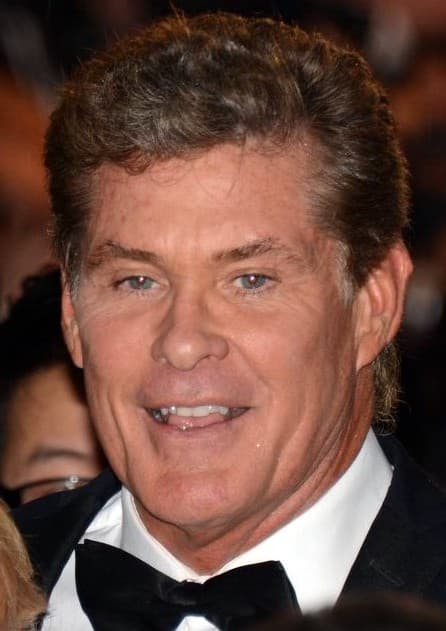
Shares studio_polished, maximalist, digital_clarity (production style); triumphant, nostalgic, confident (moods)
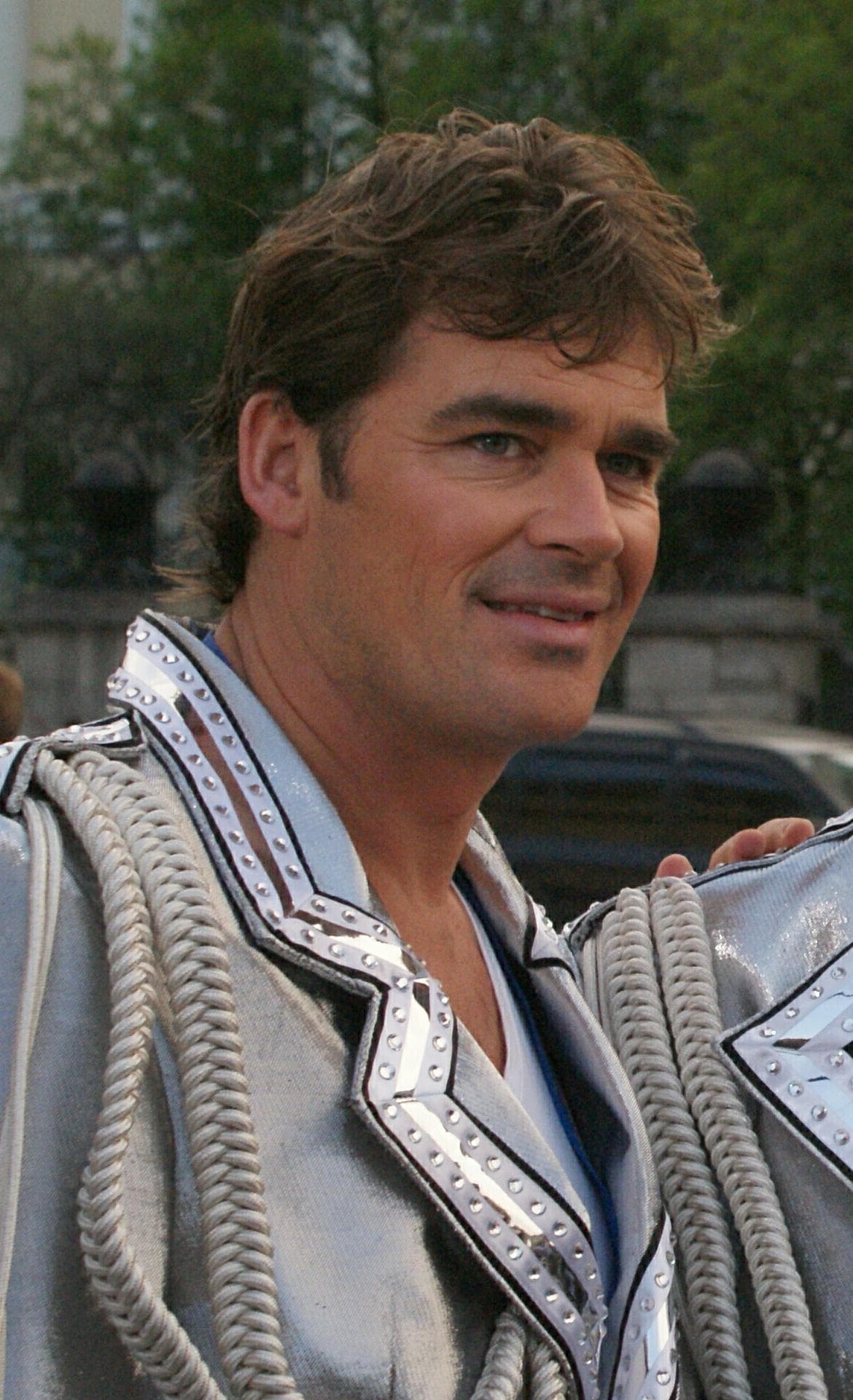
Shares traditional pop, pop rock (subgenres); studio_polished, maximalist, orchestral_arrangement (production style)
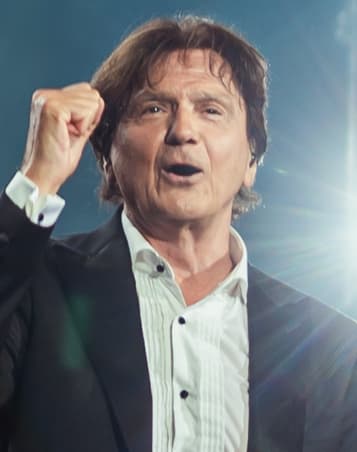
Shares traditional pop, pop rock (subgenres); studio_polished, maximalist, orchestral_arrangement (production style)

Shares studio_polished, maximalist, digital_clarity (production style); dance-pop, pop rock (subgenres)
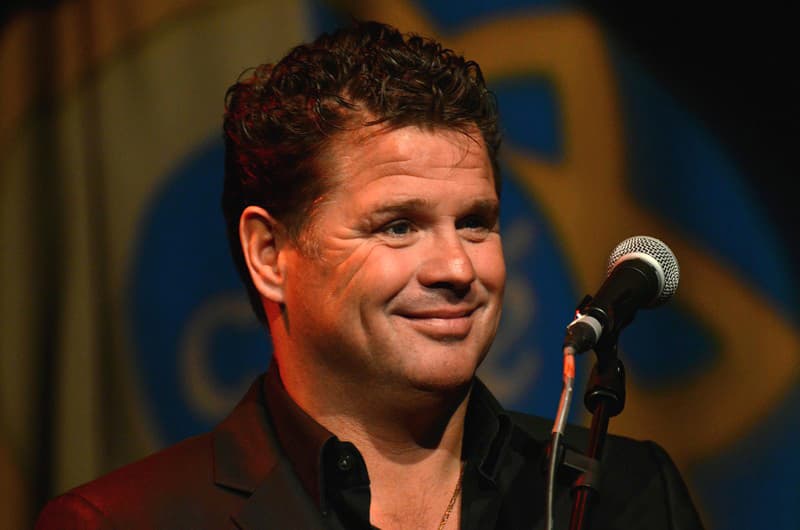
Shares traditional pop, dance-pop (subgenres); studio_polished, maximalist, orchestral_arrangement (production style)
Shares traditional pop, dance-pop (subgenres); studio_polished, maximalist, orchestral_arrangement (production style)
Cassette uses generative AI to enrich its catalog. How we use AI →