Ikimonogakari sounds like the quintessential soundtrack to a Japanese summer. Their music is built on a foundation of incredibly sturdy, earworm melodies that bridge the gap between traditional Japanese scales and modern Western pop-rock. The production is often lush and expansive, featuring sweeping string sections and bright piano lines, but it never loses the earnest, grounded feeling of their origins as street performers in Kanagawa.
What truly distinguishes the group is the vocal powerhouse of Kiyoe Yoshioka. Her voice possesses a rare clarity and strength, capable of cutting through dense orchestral arrangements without ever sounding strained. There is a specific 'blue sky' quality to their sound; it is relentlessly optimistic but often tinged with a gentle, nostalgic longing for youth and home. The frequent use of the harmonica adds a rustic, organic touch to their otherwise polished studio sound.
For a newcomer, starting with their greatest hits or the album 'I' is essential. You will recognize the high-energy anime openings that defined an era of television, but you will also find tender ballads that showcase their ability to capture the small, poignant moments of everyday life. It is music for feeling capable, connected, and deeply human.
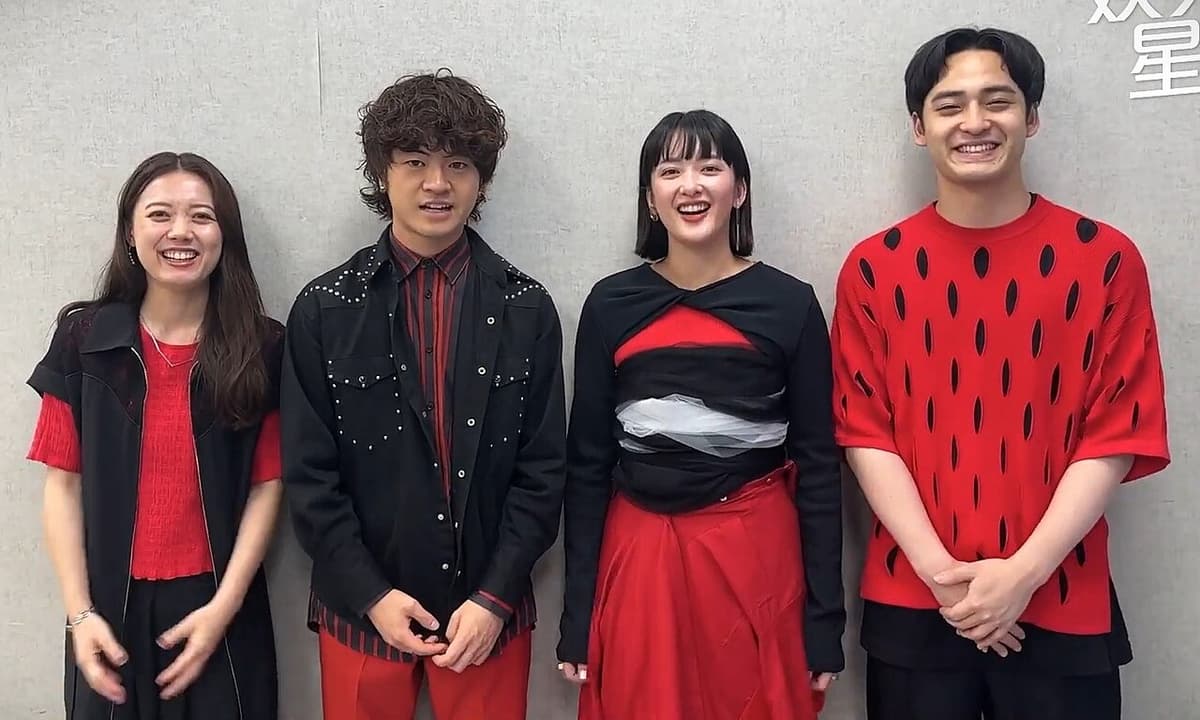
Ikimonogakari (いきものがかり) is a Japanese pop rock duo from Kanagawa Prefecture, Japan consisting of Yoshiki Mizuno and Kiyoe Yoshioka. The group started in February 1999 with Hotaka Yamashita and Yoshiki Mizuno, who had known each other since they were six years old, and was joined by vocalist Kiyoe Yoshioka in November of the same year. The group's name is a reference to ikimono-gakari (いきものがかり), a group of children who are responsible for looking after plants and animals in Japanese elementary schools. In 2006, the group released its first single on Sony Music Entertainment Japan's Epic Records label. Several of their albums have reached number one on the Oricon weekly rankings, and their songs have been featured on various media: from TV commercials, anime shows such as Naruto Shippuden, Japanese TV Dramas such as Women Won't Allow This (「女はそれを許さない」, "Onna wa Sore o Yurusanai"), live action movies such as Time Traveler: The Girl Who Leapt Through Time (2010) (『映画:時をかける少女』 (2010年), "Eiga: Toki o Kakeru Shōjo (2010)"), the 2012 Olympic broadcast theme song for NHK, and the set piece for a national junior high music competition. Their official fan club is named Ikimonogakari Fan Class 1-2 (いきものがかりファンクラス1年2組, , "Ikimonogakari Fan Kurasu 1-nen 2-kumi")


Shares hopeful, nostalgic, joyful (moods); studio polished, orchestral arrangement, hi fi (production style)
Shares studio polished, orchestral arrangement, hi fi (production style); belting, soprano, harmonized (vocal style)
Shares pop rock, soft rock (subgenres); studio polished, hi fi, maximalist (production style)
Shares studio polished, orchestral arrangement, hi fi (production style); hopeful, nostalgic, joyful (moods)

Shares pop rock, soft rock (subgenres); studio polished, orchestral arrangement, hi fi (production style)

Shares studio polished, orchestral arrangement, hi fi (production style); pop rock, soft rock (subgenres)

Shares pop rock, soft rock, chamber pop (subgenres); studio polished, orchestral arrangement, hi fi (production style)
Shares pop rock, soft rock, chamber pop (subgenres); hopeful, nostalgic, bittersweet (moods)

Shares pop rock, soft rock (subgenres); studio polished, orchestral arrangement, hi fi (production style)
Shares pop rock, soft rock (subgenres); hopeful, nostalgic, bittersweet (moods)
Cassette uses generative AI to enrich its catalog. How we use AI →