Иван Купала
Authentic Slavic village field recordings meet polished late-90s electronica. High-energy folk rituals reimagined for the dance floor.
Authentic Slavic village field recordings meet polished late-90s electronica. High-energy folk rituals reimagined for the dance floor.
Ivan Kupala sounds like a bridge between a centuries-old village ritual and a modern electronic club. The core of their sound is built on authentic field recordings of elderly folk singers from the Russian countryside, whose raw, polyphonic chants are preserved with all their grit and character. These archival voices are then layered over crisp drum machine patterns, synth pads, and deep basslines, creating a sound that is simultaneously ancient and futuristic.
What makes them truly distinctive is their refusal to 'clean up' the folk elements. While other world music acts might re-record traditional songs with pop vocalists, Ivan Kupala uses the actual voices of the people who lived the traditions. This creates a fascinating friction between the dusty, mono-recorded past and the high-fidelity, stereo-driven present. It is dance music with a soul that feels deeply rooted in the soil.
Start with the album 'Kostroma'. The title track is the perfect entry point, showcasing how they can turn a traditional fertility chant into a massive, infectious anthem. It’s the ideal soundtrack for anyone who wants to explore Eastern European folklore without the stuffiness of a museum, or for electronic fans looking for rhythms that feel more human and earthy.
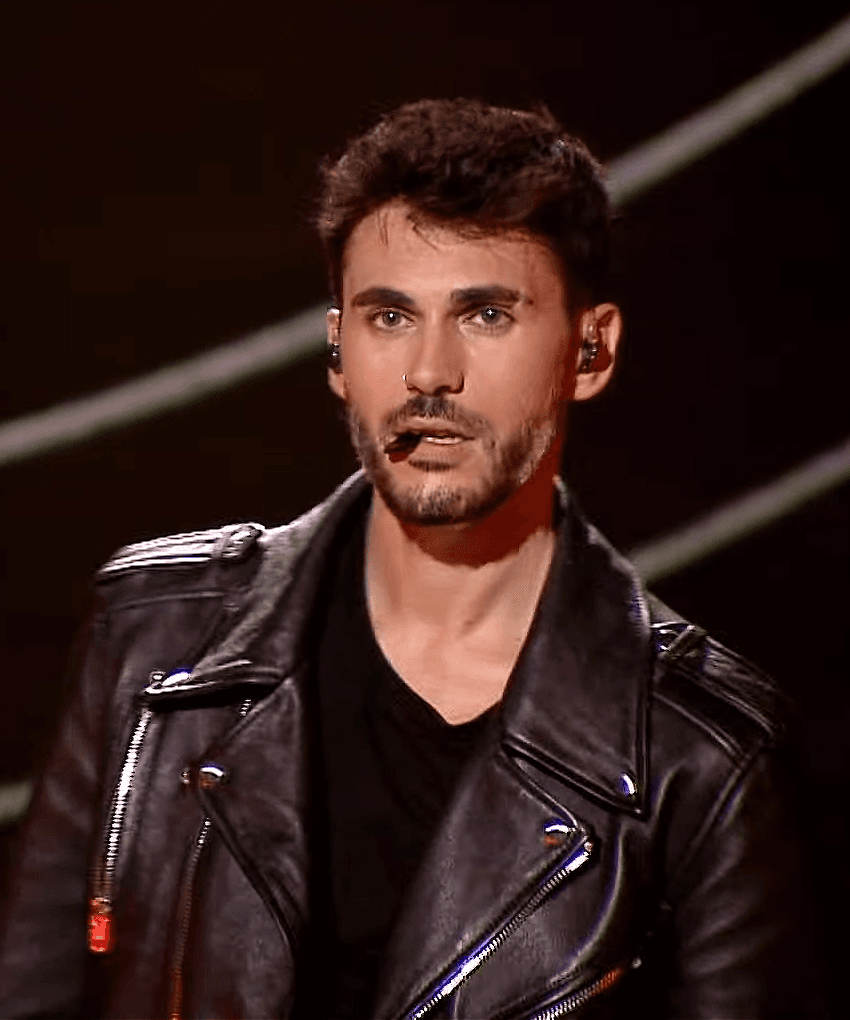
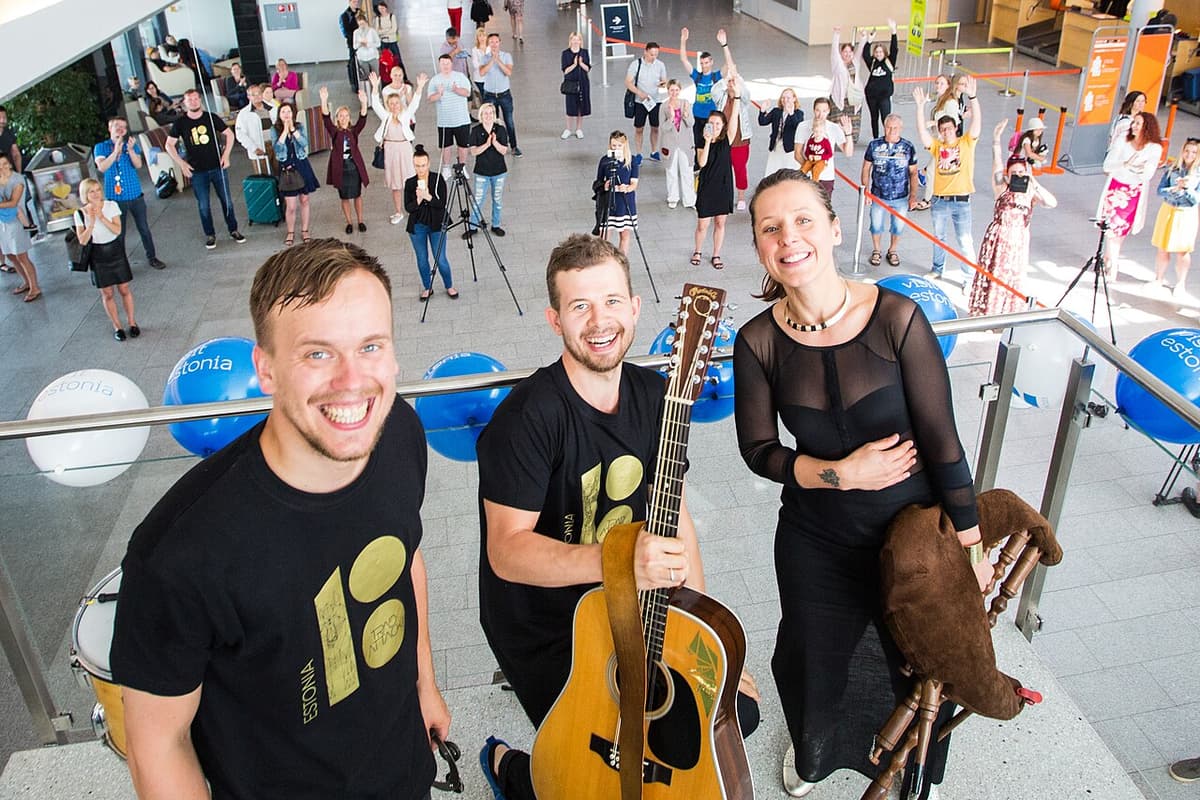
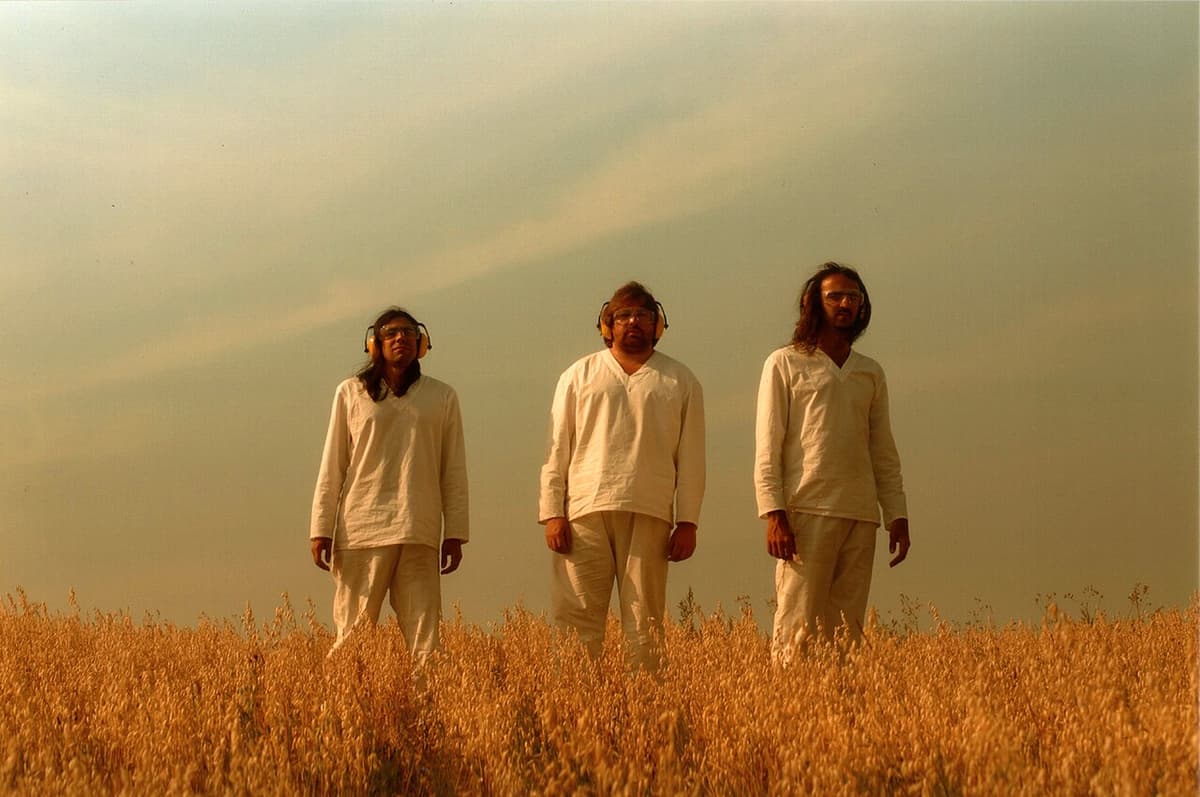
Ivan Kupala (Russian: Иван Купала) is a Russian music band from Saint Petersburg comprising Denis Fyodorov, Alexei Rumyantsev and Alexei Ivanov. The group mixes traditional Russian folk songs with electronic sounds, producing a unique blend of world music. The band is named for the traditional Slavic holiday. Their debut album Kostroma (named after East Slavic fertility goddess) was highly praised by critics. In 1999 and 2000, "Ivan Kupala" won "Ovation" awards as "Folk group of the Year". The title track "Zdorovo, Kostroma" was used in 2014 Winter Olympics opening ceremony. The band has made a cultural impact reinventing an authentic Russian folklore. Some Russian critics noted that the success of "Buranovskiye Babushki" on Eurovision-2012 was anticipated by "Ivan Kupala". The group was disbanded in 2017.
Shares sample based, layered dense, digital clarity (production style); mysterious, energetic (moods)

Shares bonfire, forest, festival (atmosphere); sample based, layered dense, digital clarity (production style)
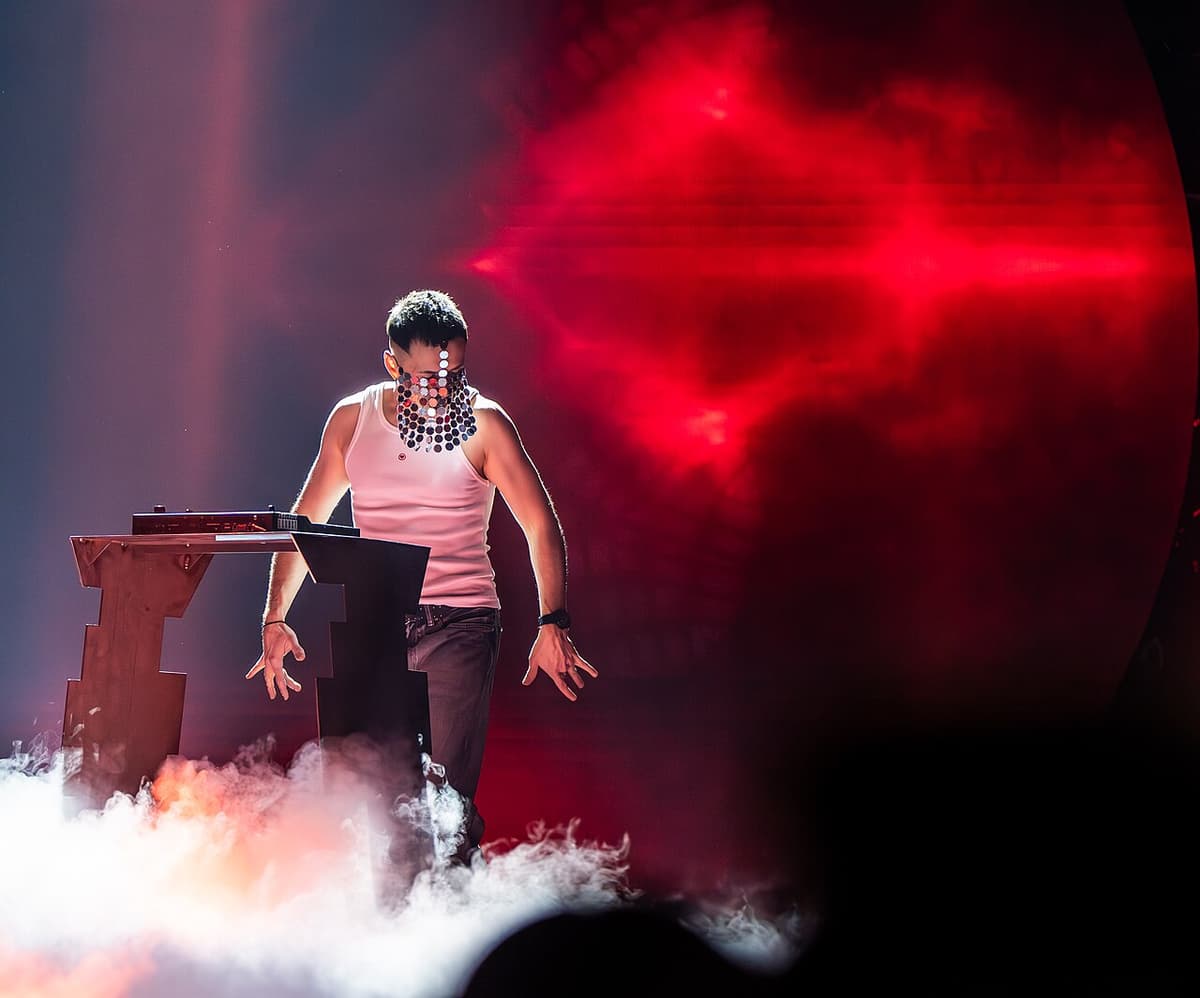
Shares sample based, layered dense, field recordings (production style); nostalgic, mysterious, energetic (moods)
Shares electronica, downtempo, synth-pop (subgenres); drum machine, keys/synth, sampler (instrumentation)
Shares joyful, nostalgic, energetic (moods); sample based, layered dense, field recordings (production style)
Shares electronica, downtempo (subgenres); sample based, layered dense, field recordings (production style)
Shares sample based, layered dense, digital clarity (production style); electronica, downtempo (subgenres)
Shares sample based, layered dense, digital clarity (production style); joyful, nostalgic, energetic (moods)
Shares joyful, nostalgic, mysterious (moods); sample based, layered dense, field recordings (production style)
Cassette uses generative AI to enrich its catalog. How we use AI →