Chisato Moritaka is the ultimate subversion of the Japanese idol archetype. While her contemporaries relied on professional songwriters and session players, Moritaka took the reins, writing her own lyrics and playing the drums, piano, and guitar on her tracks. Her sound is a shimmering blend of late-80s synth-pop and 90s dance-pop, characterized by a bright, digital sheen and surprisingly complex rhythmic foundations. It is music that feels both meticulously engineered and deeply personal.
What truly sets her apart is her lyrical perspective. She famously rejected the flowery, romantic clichés of the idol industry in favor of dry, observational, and often humorous storytelling about everyday life. Whether she is singing about the length of her legs or the specific scenery of a bridge in Tochigi, her delivery remains slightly detached and cool, creating a fascinating tension between the bubbly production and her grounded, self-aware persona.
For a perfect introduction, start with the compilation 'DO THE BEST'. It captures her evolution from a dance-queen sensation to a sophisticated pop auteur. Pay attention to the drums; knowing she played them herself adds a layer of technical appreciation to the infectious, upbeat grooves that defined an era of Japanese pop culture.
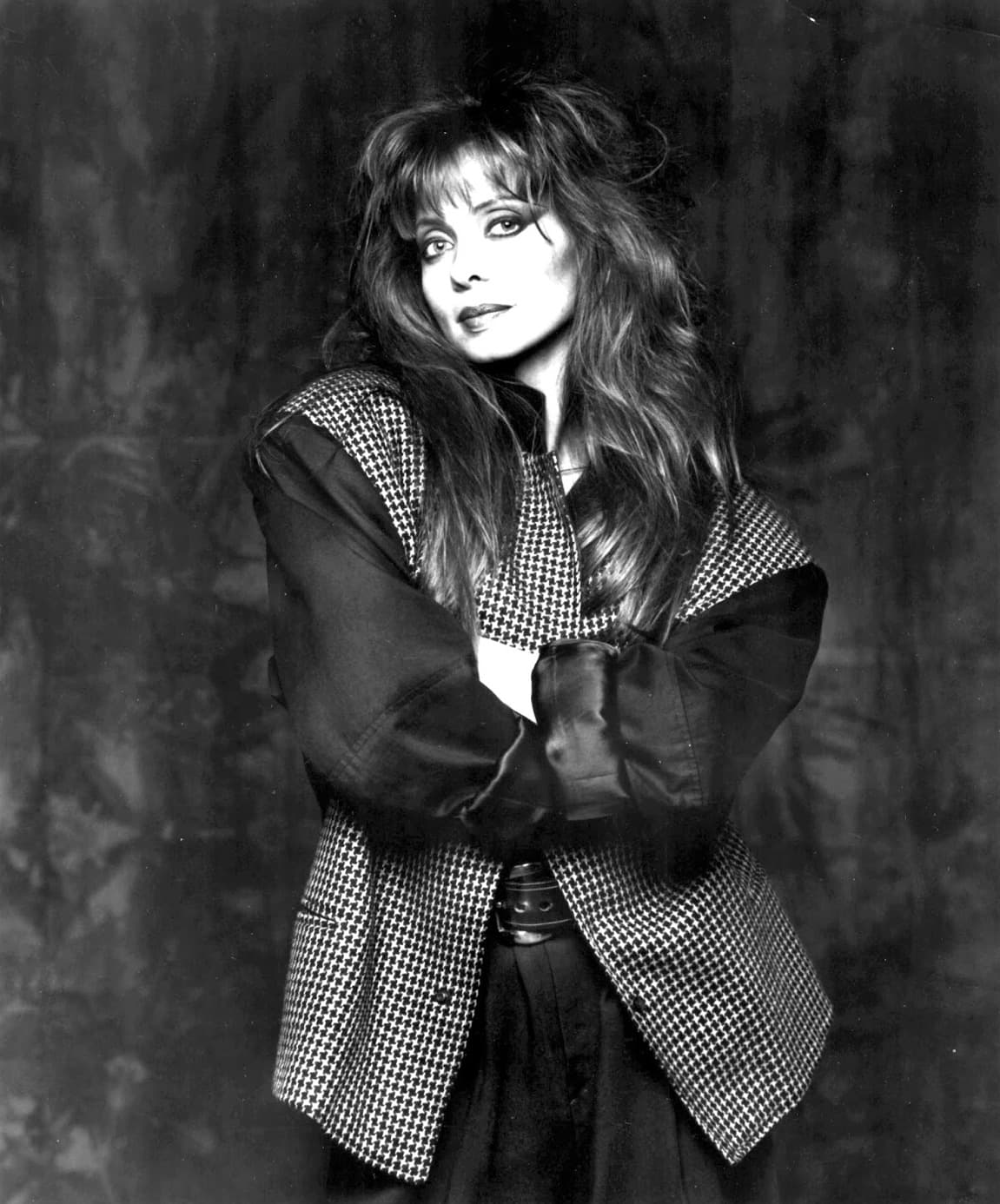
Chisato Moritaka (森高千里, Moritaka Chisato) (born 11 April 1969) is a Japanese pop singer who also is notable as a songwriter. She is affiliated with Up-Front Create, a subsidiary of the Up-Front Group. Moritaka's singing career as the unrivaled "Dance Queen" began in May 1987 with the release of her debut album New Season. She differed from many other female idol singers in Japan in that she wrote her own lyrics for majority of her albums. More than 60 of her songs were composed by Hideo Saitō. Moritaka also played drums on many of the tracks, as well as piano, guitar, recorder, clarinet, and other instruments. Her musical style was influenced by Pink Lady, Janet Jackson, Roger Taylor, and The Beatles. From 1987 to 1999, Moritaka sold over 6.4 million singles and 5.2 million albums. Moritaka's advertising jingles were hits into the mid-1990s in television commercials for goods and services such as consumer electronics, chocolate, beer, gin, and travel packages. She has also made numerous appearances on Japanese game and talent shows and is still a household name. In twelve years after her debut, she released 13 studio albums and created a strong following of devoted fans.


Shares dance-pop, synth-pop (subgenres); digital clarity, studio polished, drum machine (production style)
Shares synth-pop, dance-pop (subgenres); studio polished, digital clarity, drum machine (production style)


Shares dance-pop, synth-pop (subgenres); studio polished, digital clarity, drum machine (production style)
Shares synth-pop, dance-pop (subgenres); studio polished, digital clarity, drum machine (production style)


Shares playful, energetic, nostalgic (moods); synth-pop, dance-pop (subgenres)
Shares synth-pop, dance-pop (subgenres); studio polished, digital clarity, drum machine (production style)

Cassette uses generative AI to enrich its catalog. How we use AI →