Kazumasa Oda creates music that feels like a watercolor painting of a bustling city. His sound is defined by one of the most recognizable voices in Japanese history: a high, pure tenor that maintains a glass-like clarity even as it reaches for emotional peaks. It is sophisticated adult-oriented pop that bridges the gap between 70s folk-rock sincerity and 90s high-gloss production, always anchored by a deep sense of melodic craftsmanship.
What truly sets him apart is the 'Oda sound' - a specific blend of staccato piano rhythms, lush synthesizer washes, and lyrics that capture the precise moment a relationship shifts. There is a polite, almost reserved intensity to his performance; he never over-sings, allowing the natural resonance of his voice to carry the weight of the sentiment. It is music for the thoughtful observer, the person who finds beauty in the bittersweet.
Start with 'Love Story wa Totsuzen ni' to hear the definitive J-drama anthem, then move to the album 'LOOKING BACK' for a masterclass in how he reinterprets his own legacy. It is the perfect soundtrack for moments of transition, reflection, or simply appreciating the quiet drama of everyday life.
Kazumasa Oda (小田 和正, Oda Kazumasa; born September 20, 1947) is a Japanese singer-songwriter, and composer. He was the leader of folk rock band Off Course from 1969 to 1989, and has done solo work since 1985. As the vocalist of Off Course, Oda wrote many Japanese standard numbers in the 1970s and 1980s. The group's most successful singles—"Sayonara" (1979), "Yes-No" (1980), and "Kimi ga Uso o Tsuita" (1984)—were written by Oda. In 1985 he began work as a solo musician. He produced many hit singles as singer-songwriter, such as "Little Tokyo" (1989), "Itsuka Dokokade" (1992), "Tsutaetai Koto ga Arunda" (1997) and "Kirakira" (2002). His most successful single was "Love Story wa Totsuzen ni" (1991), the theme song of a Japanese TV drama called Tokyo Love Story. It sold over 2,580,000 copies and became the ninth best-selling single in Japan.


Shares studio polished, hi fi, analog warmth (production style); nostalgic, tender, bittersweet (moods)
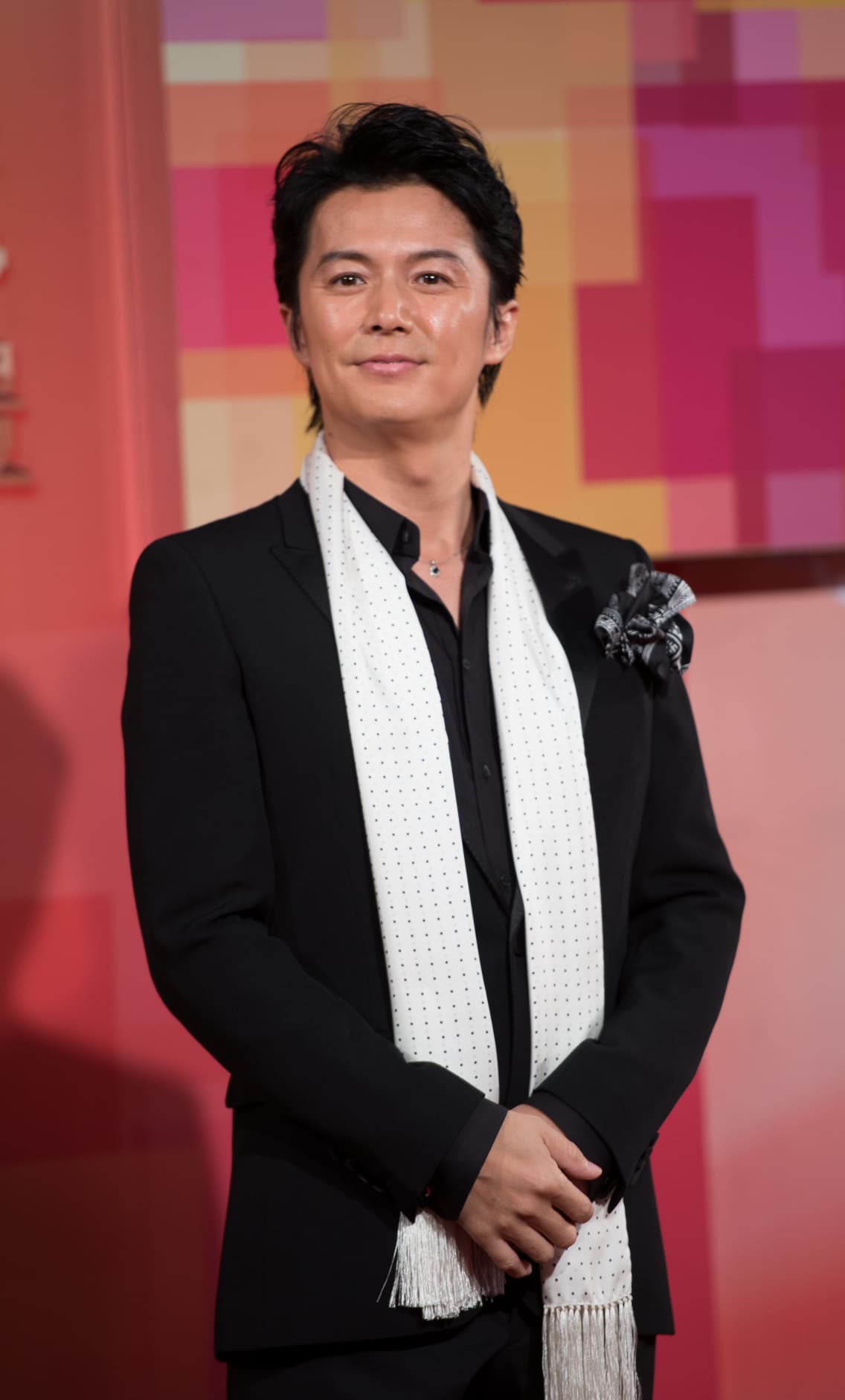
Shares studio polished, hi fi, analog warmth (production style); soft rock, traditional pop (subgenres)

Shares folk rock, soft rock, traditional pop (subgenres); studio polished, hi fi, analog warmth (production style)

Shares studio polished, hi fi, analog warmth (production style); soft rock, traditional pop (subgenres)
Shares nostalgic, tender, bittersweet (moods); soft rock, traditional pop (subgenres)
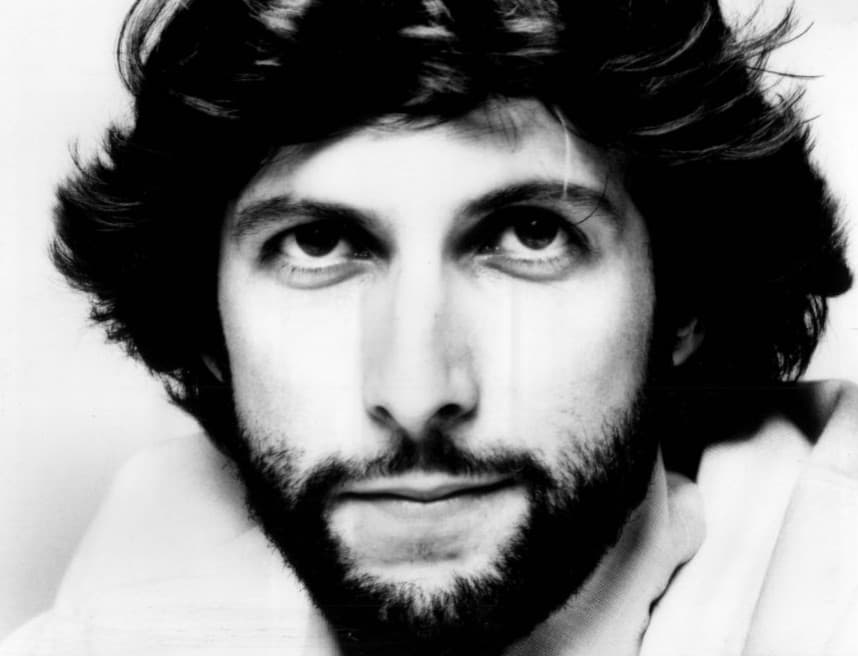
Shares soft rock, traditional pop (subgenres); studio polished, hi fi, analog warmth (production style)

Shares studio polished, hi fi, analog warmth (production style); soft rock, traditional pop (subgenres)

Shares studio polished, hi fi, analog warmth (production style); soft rock, traditional pop (subgenres)

Shares nostalgic, tender, bittersweet (moods); studio polished, hi fi, analog warmth (production style)
Shares studio polished, hi fi, analog warmth (production style); soft rock, traditional pop (subgenres)
Shares sentimental, soft rock, traditional pop, tender (signature)
Cassette uses generative AI to enrich its catalog. How we use AI →