崔健
Gritty, defiant rock that pairs a raspy Beijing growl with soulful trumpet and traditional folk roots. The sound of a generation finding its voice in the dark.
Gritty, defiant rock that pairs a raspy Beijing growl with soulful trumpet and traditional folk roots. The sound of a generation finding its voice in the dark.
Cui Jian sounds like the friction between ancient tradition and a rapidly industrializing city. His music is defined by a pinched, hoarse vocal delivery that feels like it is being squeezed through a tight throat, conveying a sense of suppressed urgency and raw honesty. It is rock music, but it is anchored by the rhythmic cadences of the Beijing streets and the melodic ghosts of Shaanxi folk songs.
What makes him truly distinctive is his use of the trumpet as a lead rock instrument and his revolutionary approach to the Chinese language. He treats Mandarin as a percussive element, often blurring his enunciation to break free from the tonal constraints of the language. This creates a compound rhythm where the voice, guitar, and traditional instruments like the suona collide in a way that feels both sophisticated and primal.
Start with 'Rock 'n' Roll on the New Long March' to hear the foundational spark of Chinese rock. It captures the transition from soft-rock influences to the biting, socially conscious sound that would define his legacy and influence every alternative artist in the region for decades.
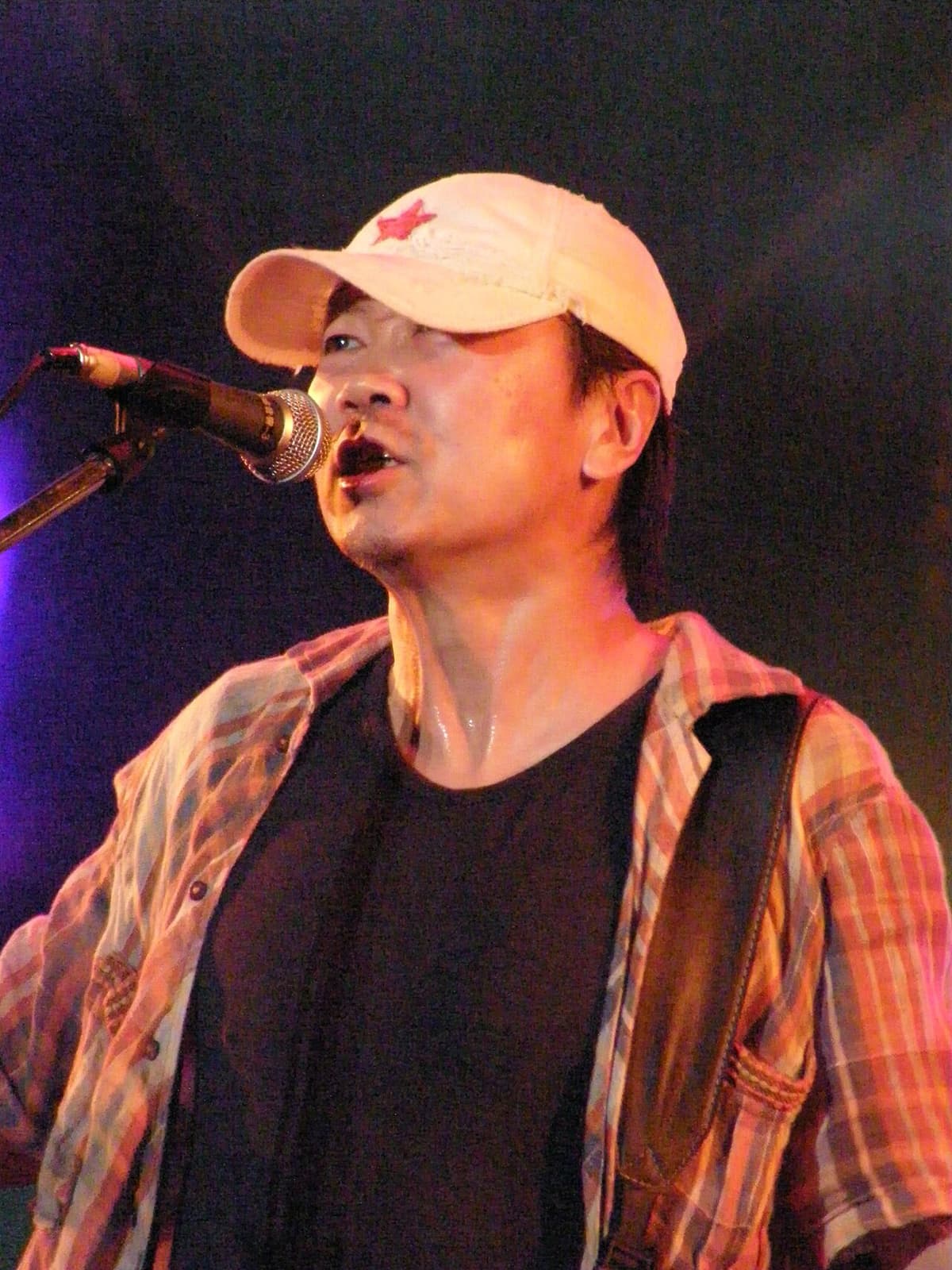
Cui Jian (Chinese: 崔健; Korean: 최건; born 2 August 1961) is a Chinese singer-songwriter and musician. Known for his countercultural impact, he has launched a ground-breaking musical trend of Chinese rock and pop, dubbed the "Godfather of Chinese Rock". With poetic, socially conscious lyrics, his experimental approach features multiple traditional instruments, eclectic musical elements and cultural references from different eras. Cui is widely deemed the most influential rock musician in China as well as one of the greatest and most prominent figures in Chinese music. Born into an ethnic Korean family with parents who were both artists, Cui began his musical career as a classically trained trumpeter before switching to guitar. He rose to prominence with his single "Nothing to My Name", which mixed rock and roll and xintianyou and became an instant hit in 1986. A pioneer of the country's alternative music, he challenged the dominant culture, earning a cult following on China's university campuses while also facing backlash from social conservatives. This was followed by the unprecedented success of Rock 'n' Roll on the New Long March (1989), generally acclaimed as China's first rock album, which heralded him as the "spokesperson for his generation". However, for more than a decade, his performing in Beijing was on-off interdicted, partly because of his activist role in the 1989 Tiananmen Square protests. He consolidated his fame with less commercial and more sophisticated Solution (1991) and Balls Under the Red Flag (1994), the latter of which is considered by critics to be his magnum opus. Later he shifted towards electronic and rap-oriented avant-rock on The Power of the Powerless (1998) and Show You Colour (2005), and returned to a folk and blues rock style with Frozen Light (2015) and A Flying Dog (2021). According to Billboard magazine, Cui is estimated to have sold 100 million albums, although the vast majority have been pirated copies. In 2009, he was voted the sixth most influential Chinese singer of the past 60 years in a China Internet Information Center history poll. At the 2010 Chinese Music Awards, he was ranked among the 30 greatest Chinese artists of the past 30 years. Cui has also been involved in other projects including music directing and filmmaking. Since the 1993 underground movie Beijing Bastards, he has worked on several films as an investor, composer, screenwriter, guest star, and producer; he also directed the musical Blue Sky Bones. Despite his many denials, Cui's actions and work have led him to be often portrayed as a dissident. His international acclaim is always tied to his public persona with political overtones, which frequently downplays his musical achievements.
Shares analog warmth, live recording, layered dense (production style); defiant, brooding, urgent (moods)
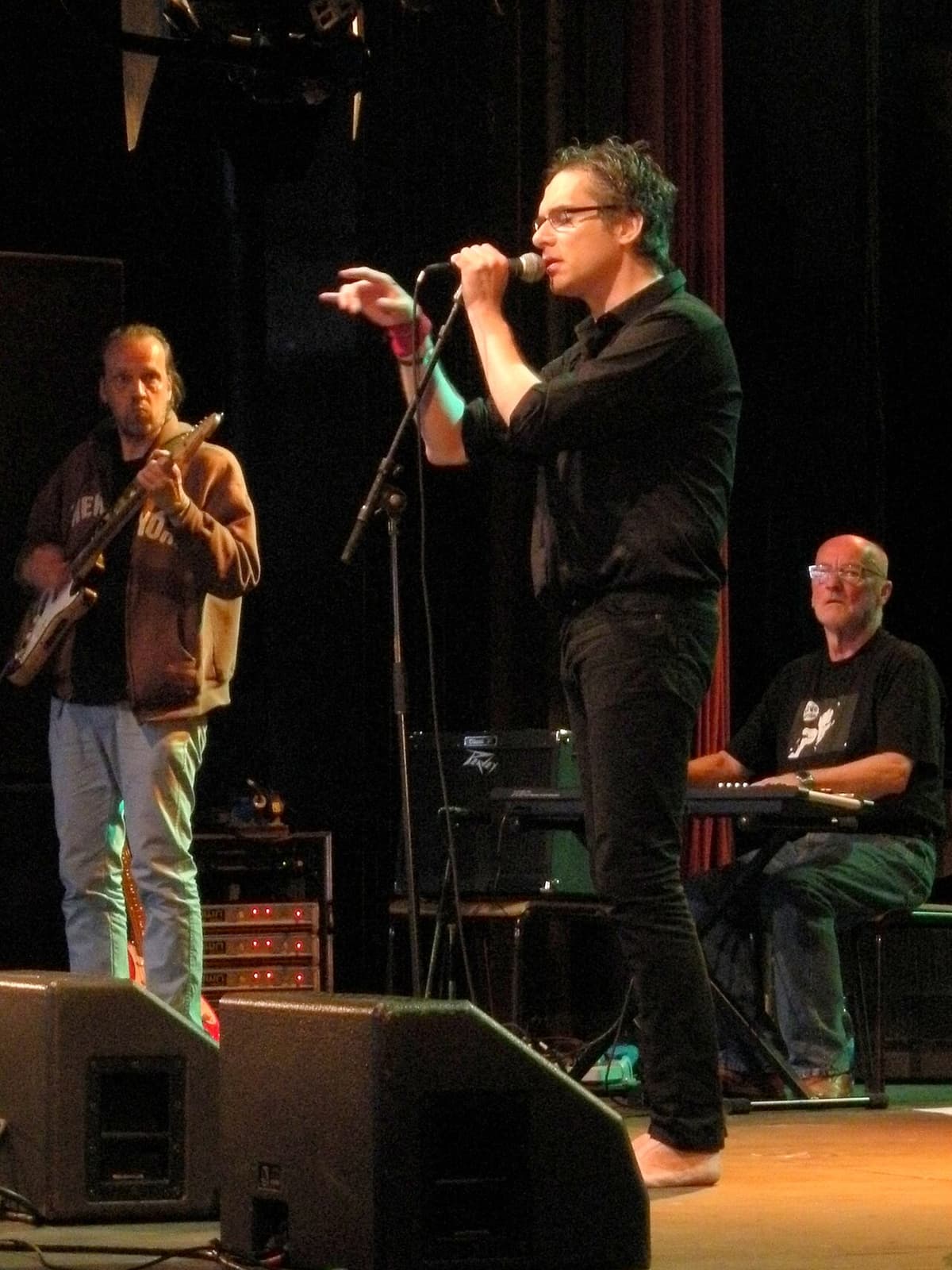
Shares alternative rock, folk rock, art rock (subgenres); live recording, analog warmth (production style)
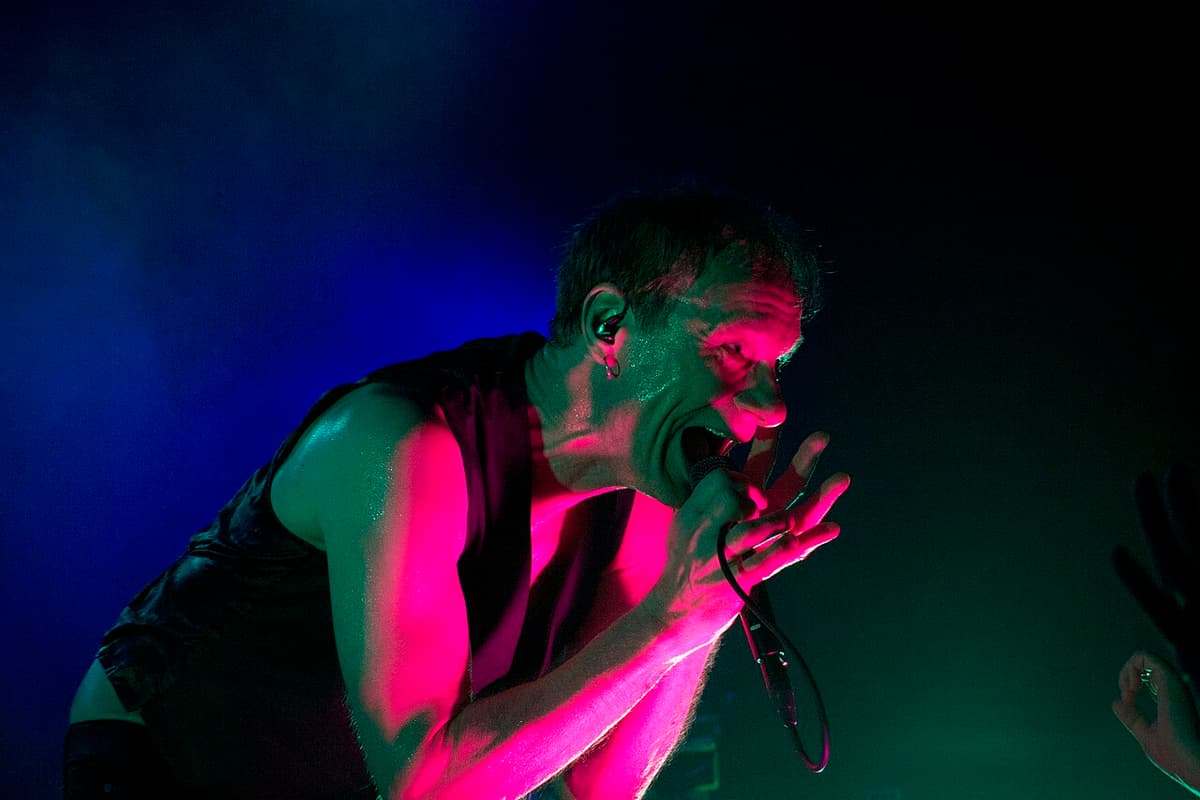
Shares alternative rock, folk rock, art rock (subgenres); analog warmth, layered dense, live recording (production style)
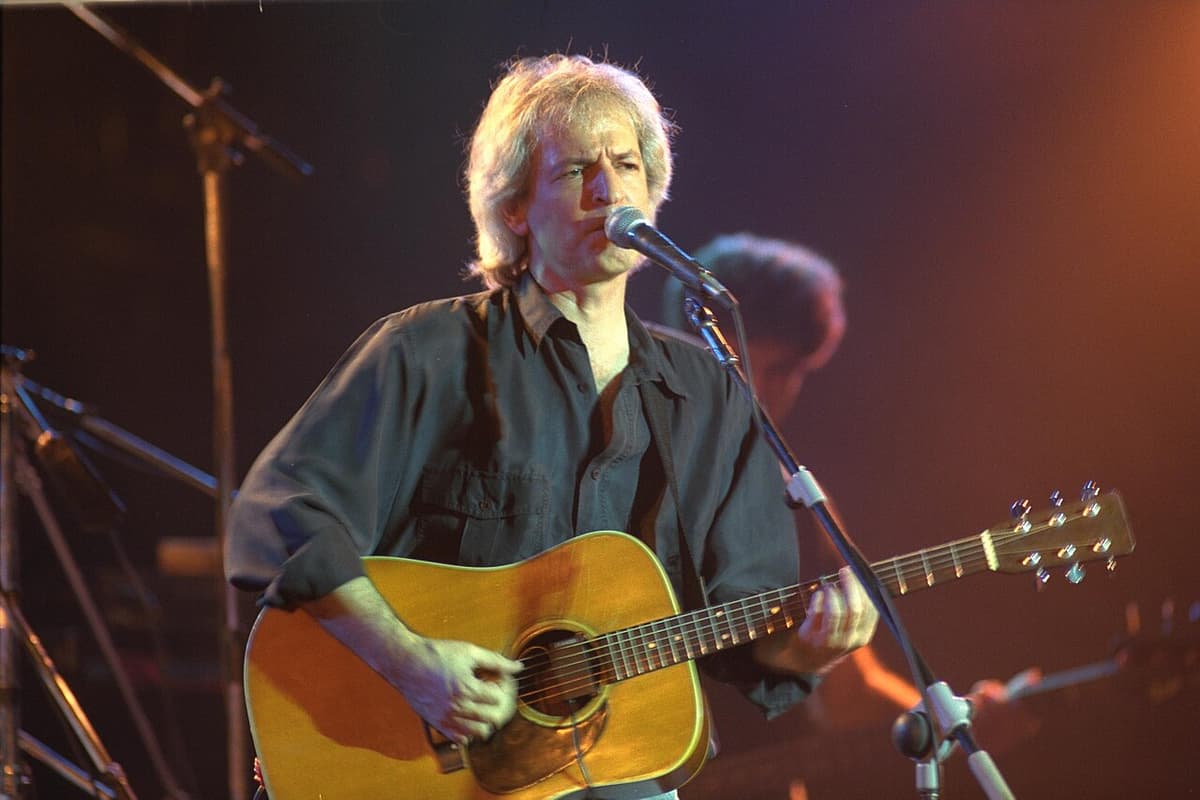
Shares analog warmth, live recording, layered dense (production style); alternative rock, folk rock (subgenres)
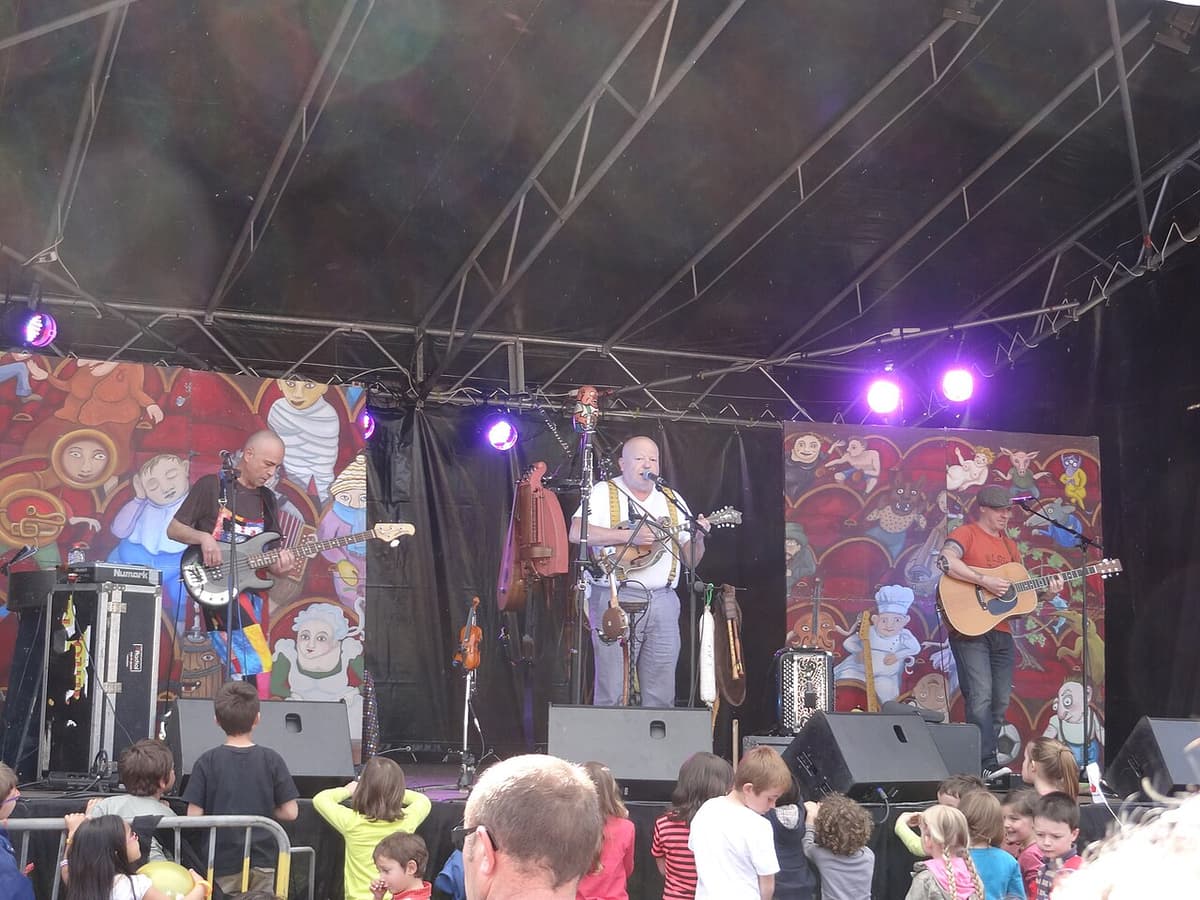
Shares analog warmth, live recording, layered dense (production style); alternative rock, folk rock, art rock (subgenres)
Cassette uses generative AI to enrich its catalog. How we use AI →