Yuki Saito occupies a unique space in the 1980s Japanese pop landscape, trading the high-energy sparkle of her contemporaries for a sound that is deeply intimate and often melancholic. Her music is characterized by a distinctive breathy vocal delivery that feels like a secret shared in confidence. The arrangements are lush and sophisticated, frequently incorporating orchestral elements and jazz-inflected chord progressions that elevate her work above standard idol fare.
What truly sets her apart is the literary and poetic quality of her catalog. As a poet and essayist herself, her songs often feel like short stories or diary entries, focusing on themes of graduation, fleeting youth, and the quiet ache of nostalgia. There is a specific 'Sunday morning' quality to her music: it is peaceful and reflective, yet carries a weight of emotional intelligence that rewards close listening.
Start with her debut album 'AXIA' to hear the definitive blueprint of her sound. It perfectly captures the transition from 80s synth-pop to a more timeless, sophisticated pop aesthetic. For those seeking her more mature, contemplative side, her later work and live recordings showcase the enduring clarity of her voice and her growth as a storyteller.
Yuki Saito (Japanese: 斉藤 由貴, romanized: Saitō Yuki; born September 10, 1966, in Minami-ku, Yokohama, Kanagawa Prefecture) is a Japanese actress, singer and narrator. She attended Kanagawa Prefectural Shimizugaoka High School (now Yokohama Seiryo Sogo High School). She is well known in Japan for being a member of LDS Church, as she refuses to work on Sundays. Saito used a fake cigarette while filming the 1986 film Koisuru Onnatachi due to her beliefs. In 1985, after making her singing debut with her single Sotsugyō and her debut album, Axia, she was cast in the lead role of Saki Asamiya in the first Sukeban Deka television drama series. She later revisited that story by playing Saki's mother in the 2006 movie, Yo-Yo Girl Cop. She has starred in and been cast in many television and film dramas and comedies, and has also done voice-over narration work. Saito has released 21 singles and 13 original albums. She has also released a live album, eight "best of" compilation albums, and has been featured on five tribute albums where she covered songs by The Carpenters, songs from Walt Disney films, and others. Her father owns an obi shop in Yokohama, and her brother is the actor Ryūji Saitō.


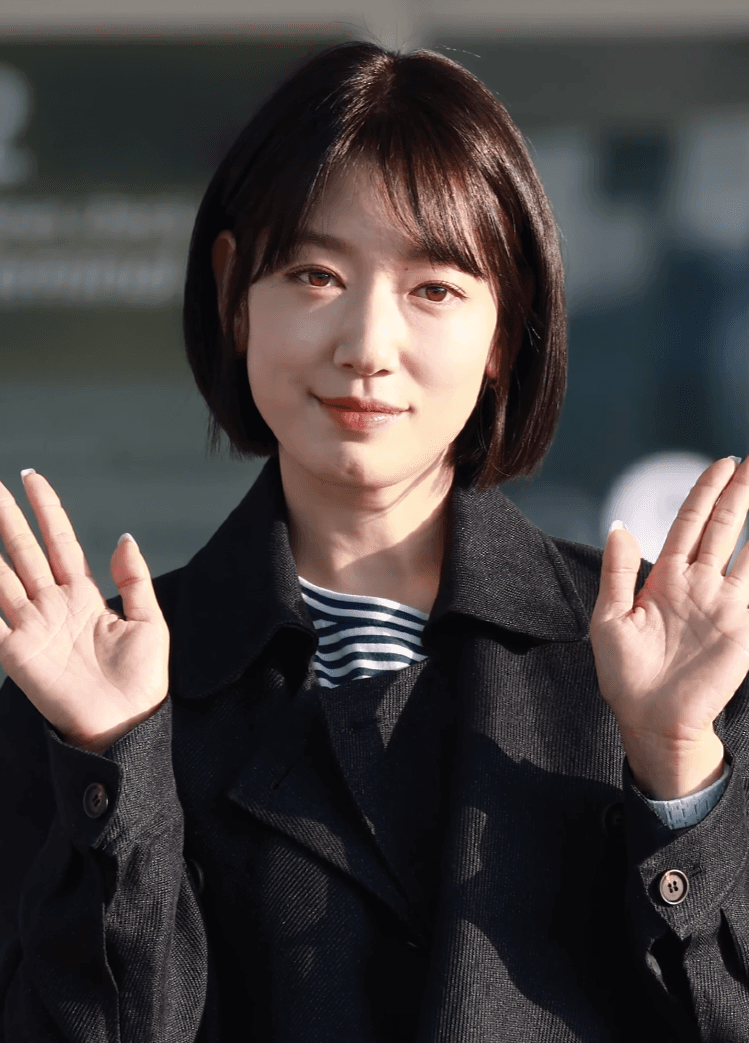
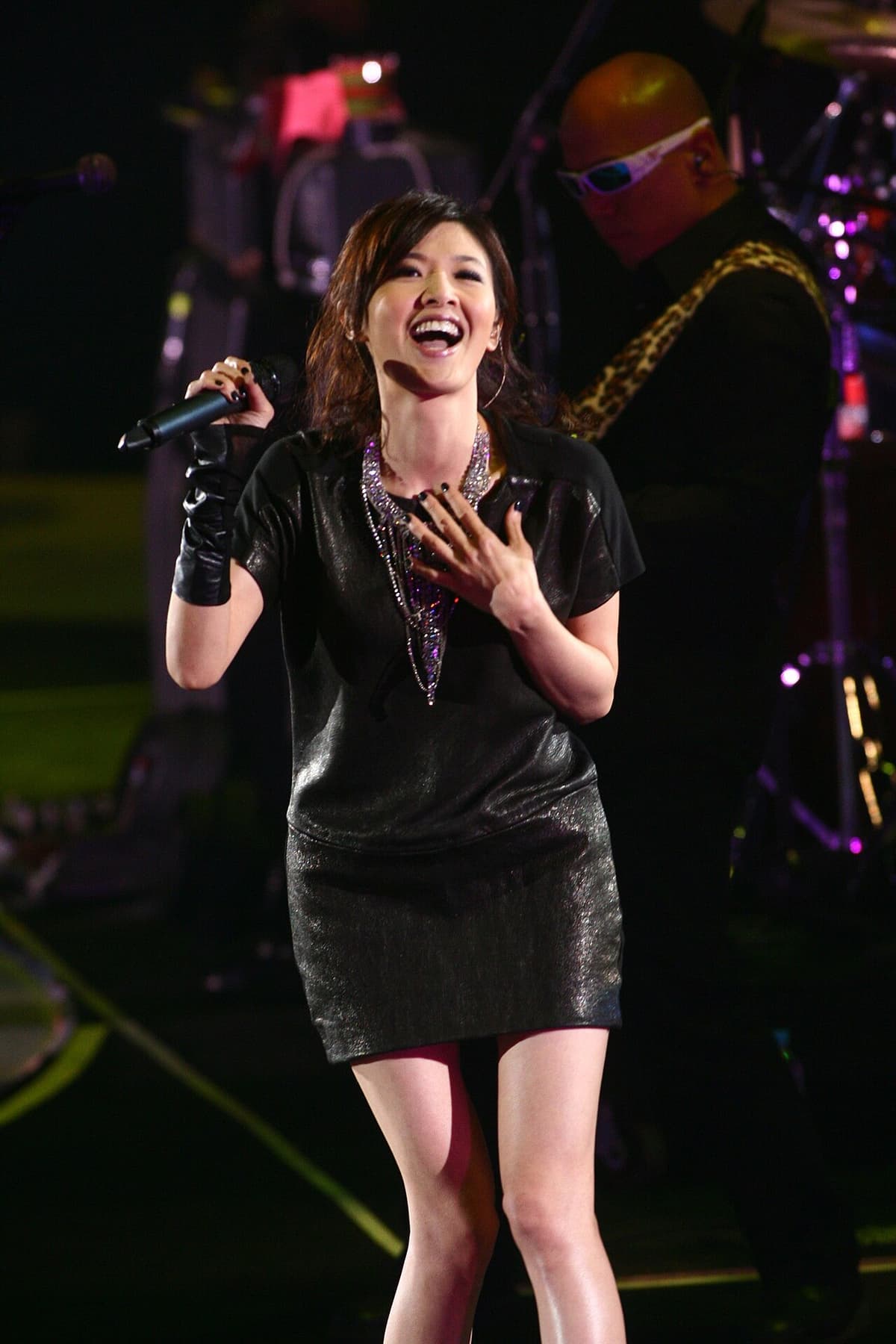
Shares traditional pop, chamber pop, synth-pop (subgenres); analog warmth, studio polished, orchestral arrangement (production style)
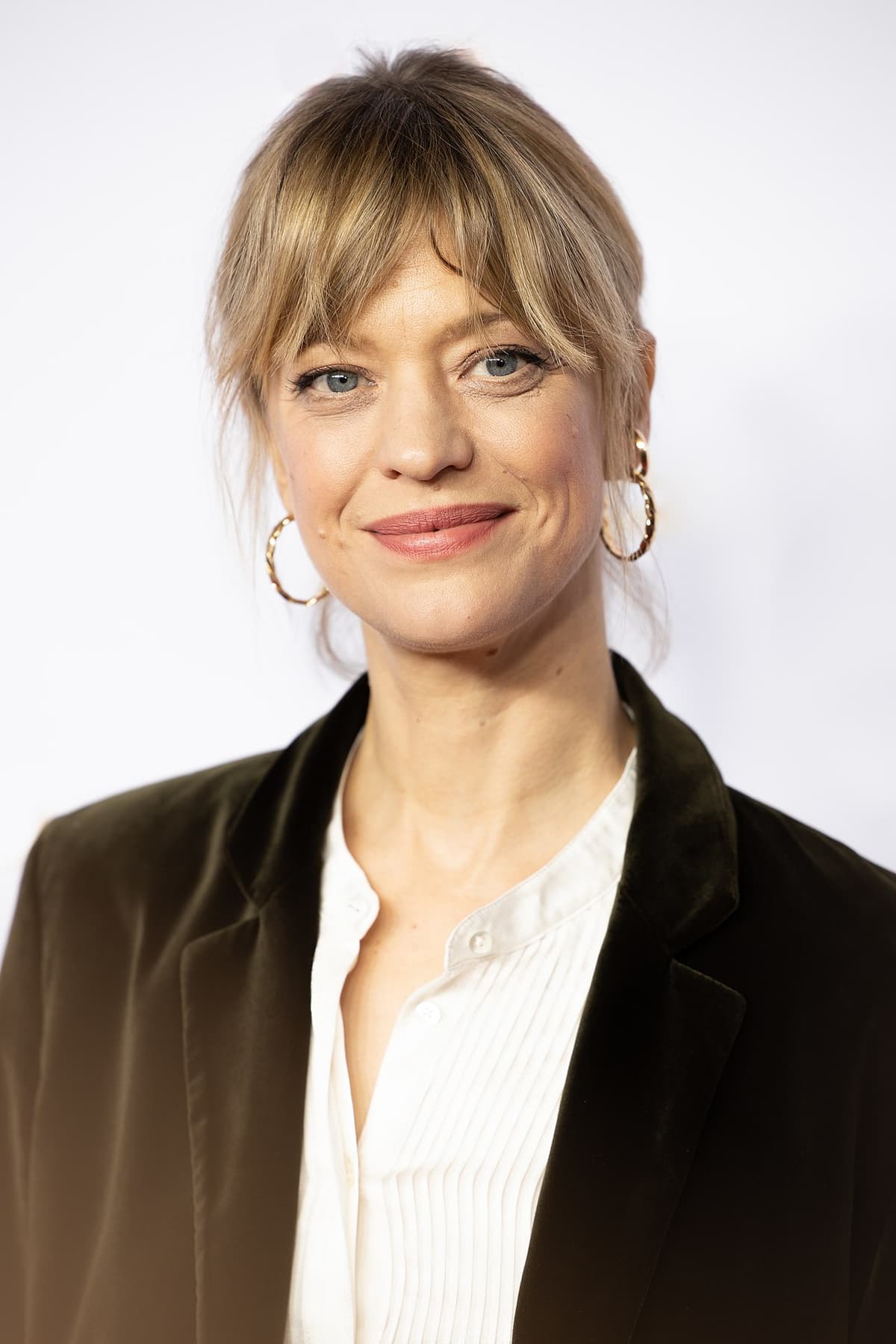
Shares traditional pop, chamber pop (subgenres); analog warmth, studio polished, orchestral arrangement (production style)
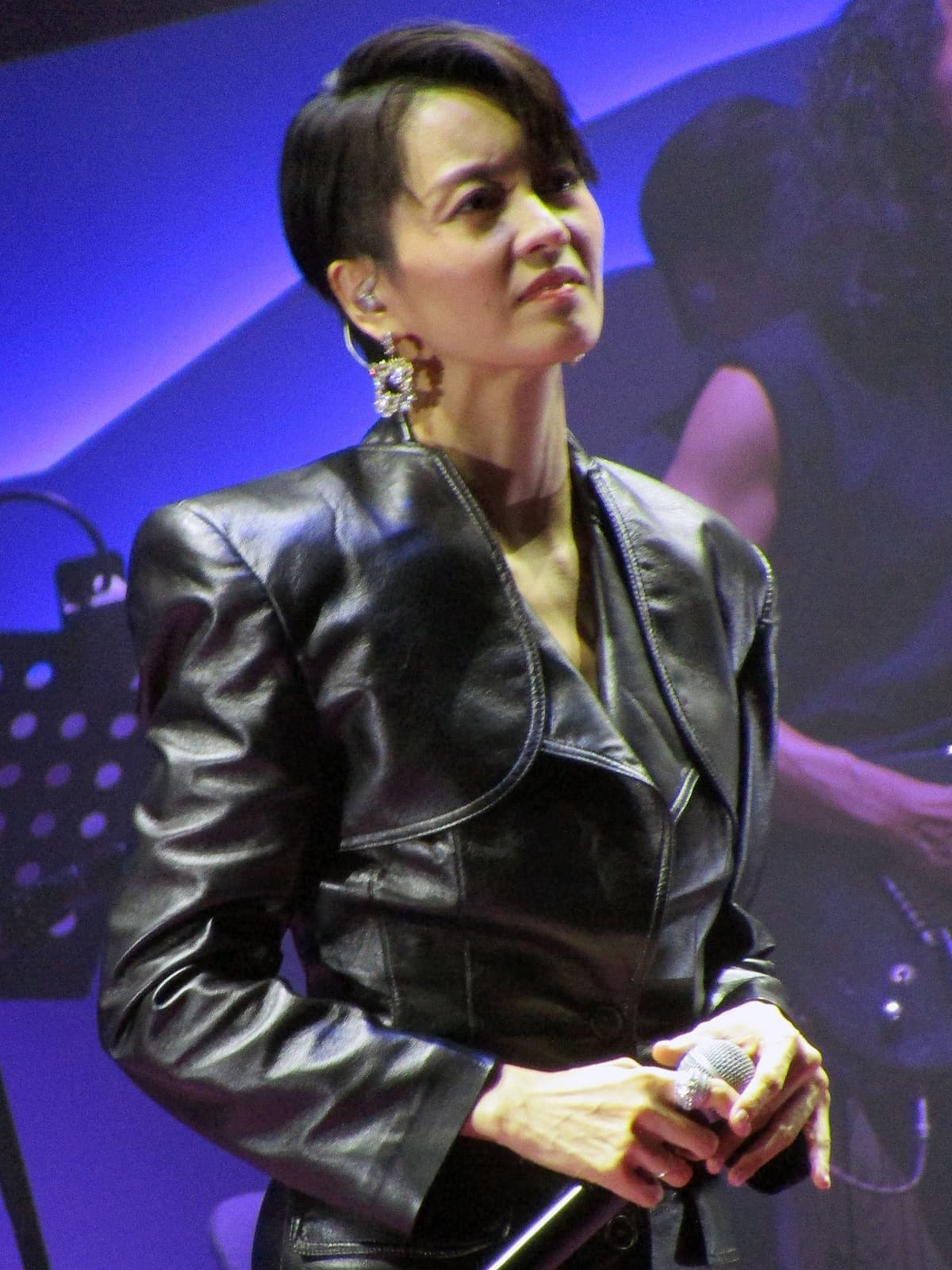
Shares traditional pop, chamber pop (subgenres); studio polished, analog warmth, orchestral arrangement (production style)
Shares analog warmth, studio polished, orchestral arrangement (production style); traditional pop, chamber pop (subgenres)
Shares traditional pop, synth-pop (subgenres); analog warmth, studio polished, orchestral arrangement (production style)
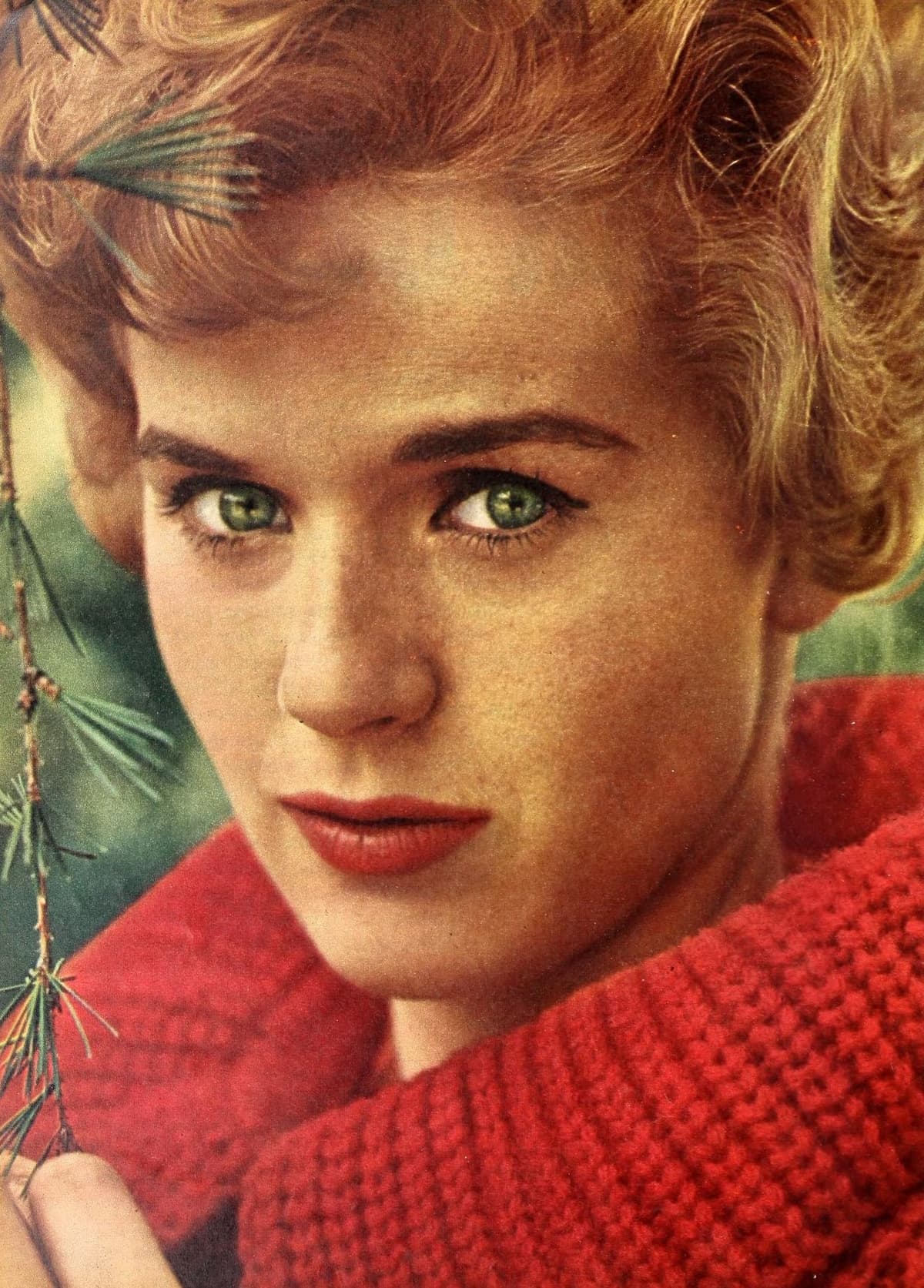
Shares traditional pop, chamber pop (subgenres); analog warmth, studio polished, orchestral arrangement (production style)
Shares traditional pop, chamber pop (subgenres); analog warmth, studio polished, orchestral arrangement (production style)

Cassette uses generative AI to enrich its catalog. How we use AI →