Imagine the raw, street-level energy of 1970s hard rock suddenly colliding with the mystical, woodwind-led storytelling of a renaissance fair. This is the world of Ñu. It is music that smells of old leather, cigarette smoke, and ancient parchment. The sound is anchored by heavy, distorted guitar riffs and a driving rhythm section, but it is constantly pierced by the virtuosic, often aggressive flute playing of José Carlos Molina.
What makes them truly distinctive is their refusal to choose between being a heavy metal band and a folk ensemble. While their contemporaries in the Spanish 'Rock Urbano' scene were focusing on gritty social realism, Ñu was building a bridge to the past, using the flute not as a gentle ornament but as a lead instrument that rivals the electric guitar in intensity. Their sound essentially predicted the folk metal movement by a decade, blending Celtic melodic structures with the sheer volume of the New Wave of British Heavy Metal.
For the uninitiated, starting with their 1978 debut 'Cuentos de ayer y de hoy' is essential. It captures the band at their most progressive and experimental, showcasing the unique chemistry that would make them legends. If you prefer a harder, more polished 80s edge, 'Acorralado por ti' demonstrates how they successfully translated their medieval obsessions into the arena rock era without losing their soul.
Ñu, also known as José Carlos Molina-Ñu, are a Spanish hard rock band formed in 1974 in Madrid. Their music style, often described as medieval rock, has medieval music, celtic rock and heavy metal influences. The band have experienced multiple line-up changes, with vocalist José Carlos Molina being the only constant presence in the band through the years. The flute predominance in their sound has been compared with Jethro Tull's style, but playing a way heavier sound they are in fact a predecessor of folk metal. As time went by, their style tended to be less folk and more heavy. Their lyrics usually are about medieval castles, riders, villains and heroes.


Shares darkwave, synth-pop, post-punk (subgenres); brooding, mysterious, melancholic (moods)
Shares brooding, mysterious, melancholic (moods); urban night, late night, fog (atmosphere)
Shares darkwave, post-punk, synth-pop (subgenres); urban night, late night, fog (atmosphere)
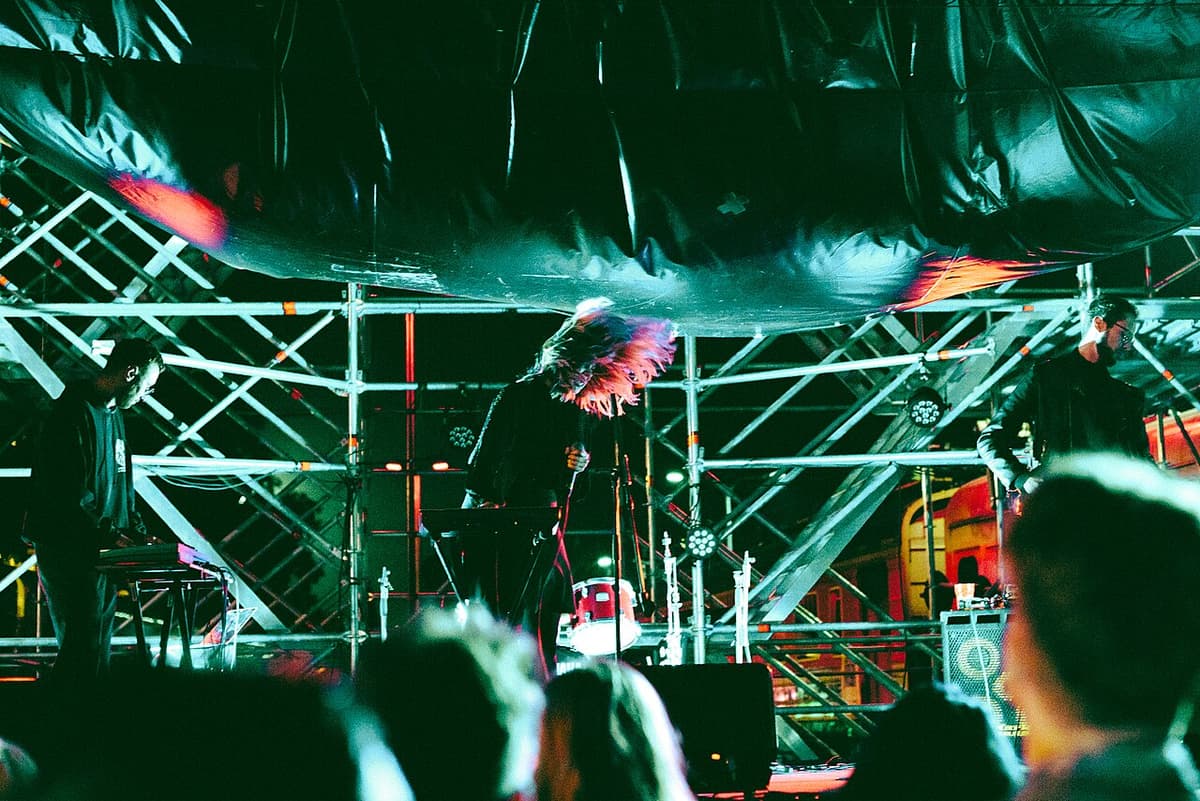
Shares darkwave, post-punk, synth-pop (subgenres); brooding, mysterious, melancholic (moods)
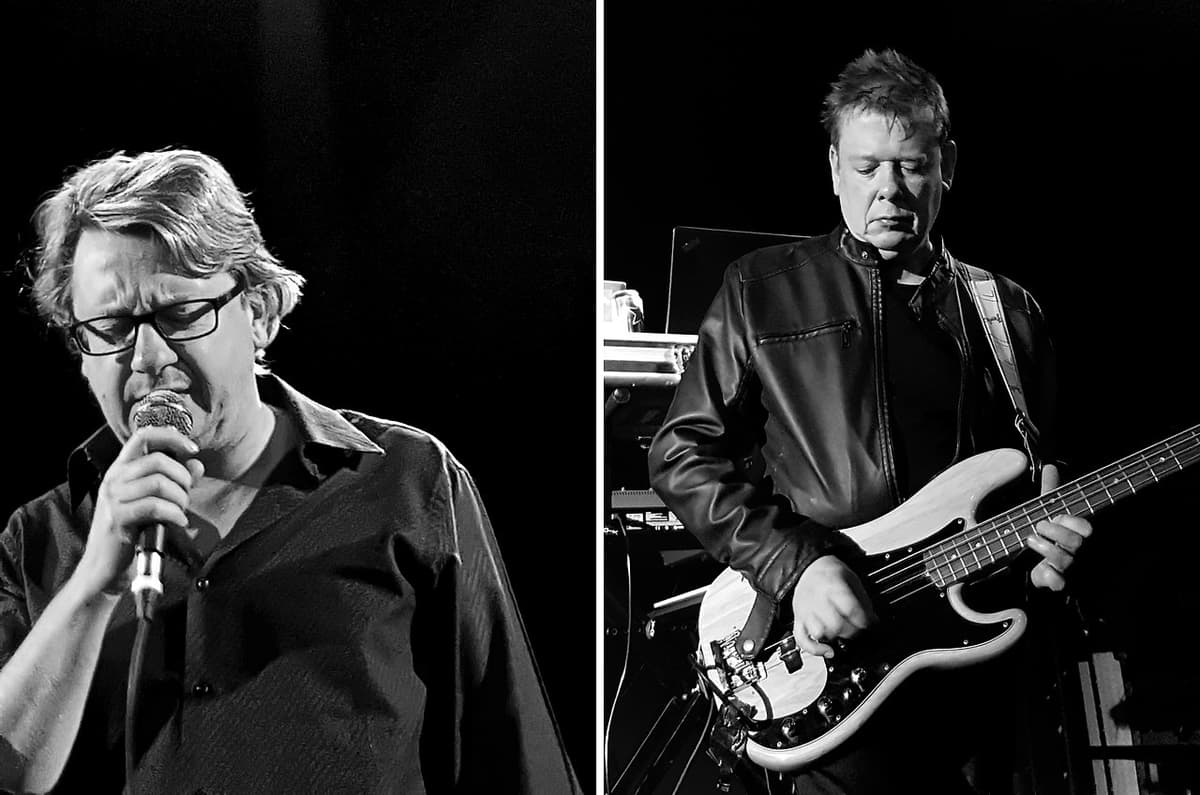
Shares darkwave, post-punk, synth-pop (subgenres); brooding, mysterious, melancholic (moods)
Shares darkwave, synth-pop, post-punk (subgenres); brooding, mysterious, melancholic (moods)
Shares darkwave, post-punk, synth-pop (subgenres); analog warmth, reverb heavy, lo fi (production style)
Shares darkwave, post-punk, synth-pop (subgenres); brooding, mysterious, melancholic (moods)
Shares analog warmth, live recording, studio polished (production style); hard rock, heavy metal (subgenres)
Shares analog warmth, live recording, studio polished (production style); hard rock, heavy metal (subgenres)
Cassette uses generative AI to enrich its catalog. How we use AI →