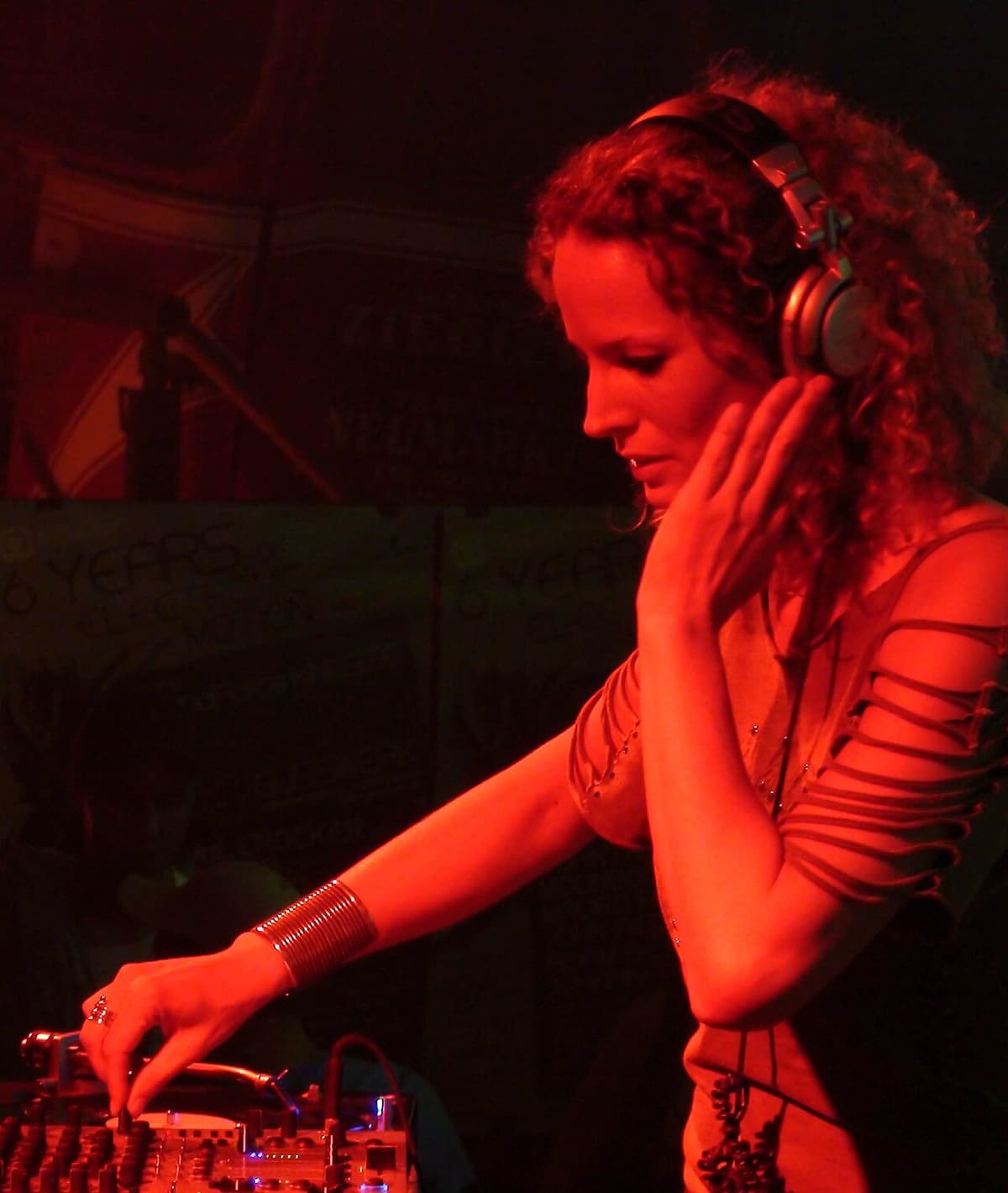
Traci Lords
Sultry, industrial-tinged techno that feels like a high-speed chase through a neon-lit dystopia. Cyberpunk energy for late nights and dark dance floors.
Sultry, industrial-tinged techno that feels like a high-speed chase through a neon-lit dystopia. Cyberpunk energy for late nights and dark dance floors.
Traci Lords delivers a sound that is inextricably linked to the high-gloss, gritty futurism of the mid-90s electronic explosion. It is music that lives in the intersection of industrial aggression and pop accessibility, characterized by driving techno beats and lush, atmospheric synthesizers. Her vocals are often breathy and intimate, acting as a human anchor within a sea of cold, mechanical precision.
What truly sets her apart is the collaboration with heavyweights like Juno Reactor and Mike Edwards, which infused her work with a genuine underground credibility. The production is dense and cinematic, often sounding like the score to a lost cyberpunk thriller. It is music that feels both defensive and defiant, using the dance floor as a space for personal reclamation and sonic world-building.
Start with the single 'Control' to hear the peak of her commercial power, then dive into the full '1000 Fires' album. It is an essential document for anyone who loves the intersection of 90s club culture, Mortal Kombat-era industrial, and the aesthetic of dark, electronic pop.
Traci Elizabeth Lords (born Nora Louise Kuzma; May 7, 1968) is an American actress and singer. As a 15-year-old high-school dropout, she used fake identity documents to enter the sex industry, where she began appearing in pornographic magazines and films. The September 1984 edition of Penthouse featured her as its centerfold, and she went on to become one of the most sought-after pornographic actresses of the mid-1980s, appearing in an estimated 75 adult films and videos. According to her autobiography, she entered the adult film industry in October 1984, making her 16 years old at the time. In 1986, the Federal Bureau of Investigation (FBI) received an anonymous tip that she had been a minor during her time in the industry. All pornographic material featuring Lords—except her last film, Traci, I Love You (1987), which had been shot two days after her 18th birthday—was removed from distribution in the United States as child pornography. Efforts to prosecute two producers and her former talent agent failed as Lords had used a stolen birth certificate to obtain a federal passport and California driver's license, thereby giving industry personnel a reasonable belief that she was over 18 at the time. Lords subsequently enrolled at the Lee Strasberg Theater Institute, where she studied method acting with the intention of becoming a mainstream actress. She made her mainstream screen debut in the 1988 remake of the 1957 Roger Corman science fiction film Not of This Earth. She played Wanda Woodward in John Waters' teen comedy, Cry-Baby (1990). Her other acting credits include the television series MacGyver, Married... with Children, Tales from the Crypt, Roseanne, Melrose Place, Profiler, First Wave, Highlander: The Series, Gilmore Girls, and Will & Grace. She also appeared in films such as Skinner (1993), Virtuosity (1995), Blade (1998), Zack and Miri Make a Porno (2008), and Excision (2012), which earned her a Fangoria Chainsaw Award for Best Supporting Actress as well as a Fright Meter Award and a CinEuphoria Award. Lords pursued music in addition to her film career. After her song "Love Never Dies" was featured on the soundtrack to the film Pet Sematary Two (1992), she was signed to Radioactive Records and subsequently released her debut studio album, 1000 Fires (1995), to generally positive reviews. Despite the poor sales of the album, the lead single "Control" had moderate commercial success. It peaked at number two on the Billboard Hot Dance Club Songs chart and a remix was included on the soundtrack to the film Mortal Kombat (1995), which was eventually certified double platinum by the Recording Industry Association of America (RIAA). In 2003, Lords published her autobiography, Traci Lords: Underneath It All, which received positive reviews from critics and debuted at number 31 on The New York Times Best Seller list.
Shares defiant, intense, mysterious (moods); urban night, basement show, late night (atmosphere)
Shares defiant, intense, mysterious (moods); urban night, basement show, late night (atmosphere)
Shares digital clarity, layered dense, drum machine (production style); urban night, basement show, late night (atmosphere)
Shares layered dense, studio polished, reverb heavy (production style); defiant, intense, mysterious (moods)
Shares industrial, trance, techno (subgenres); studio polished, digital clarity, layered dense (production style)
Shares defiant, intense, mysterious (moods); breathy, processed, ethereal (vocal style)
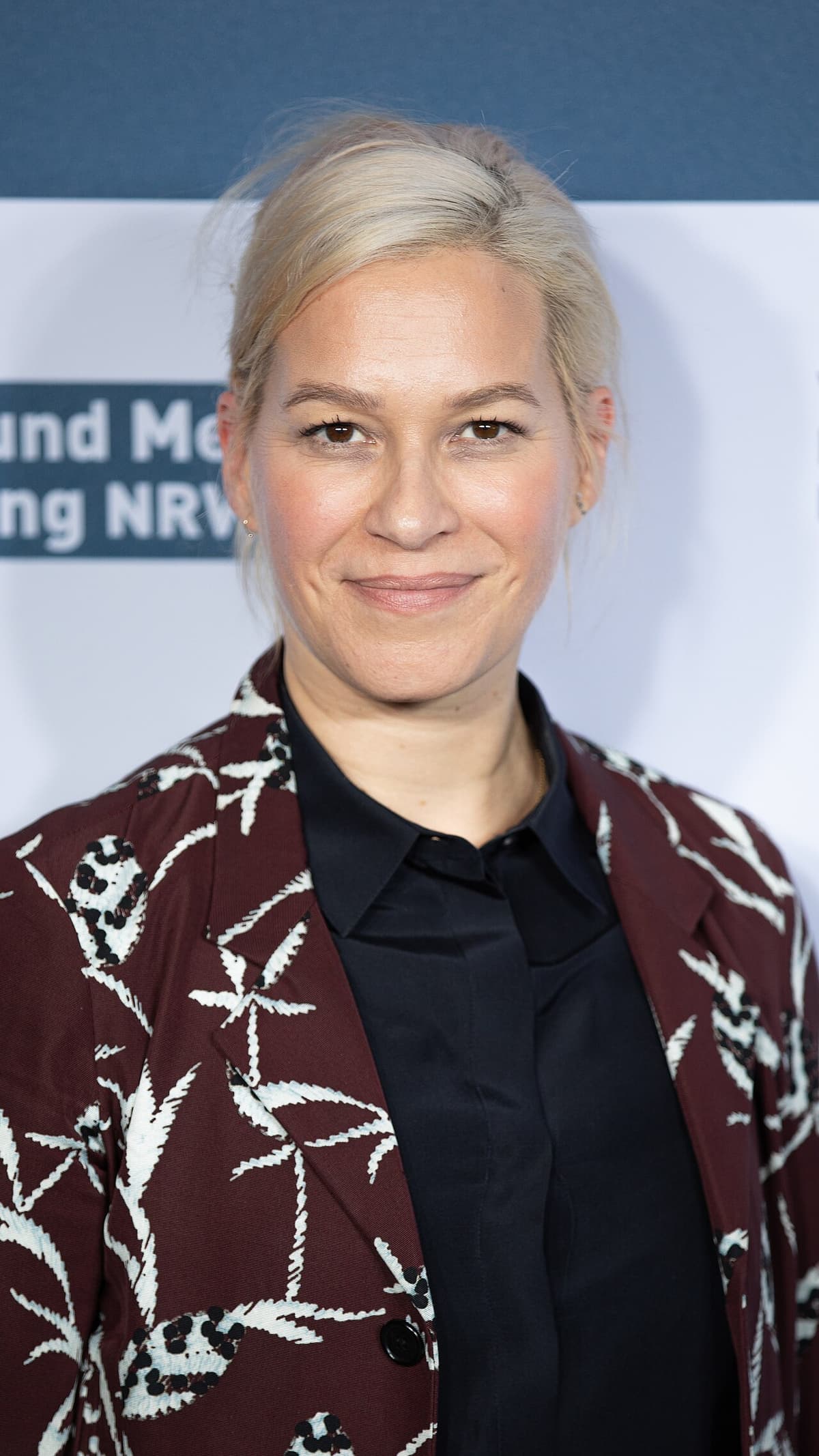
Shares drum machine, digital clarity, layered dense (production style); techno, big beat, industrial (subgenres)
Shares layered dense, studio polished, drum machine (production style); drum machine, keys/synth, sampler (instrumentation)
Shares industrial, trance (subgenres); breathy, processed, ethereal (vocal style)
Shares layered dense, digital clarity, drum machine (production style); urban night, basement show, late night (atmosphere)
Shares techno, industrial, electronics/laptop, ethereal (signature)
Cassette uses generative AI to enrich its catalog. How we use AI →