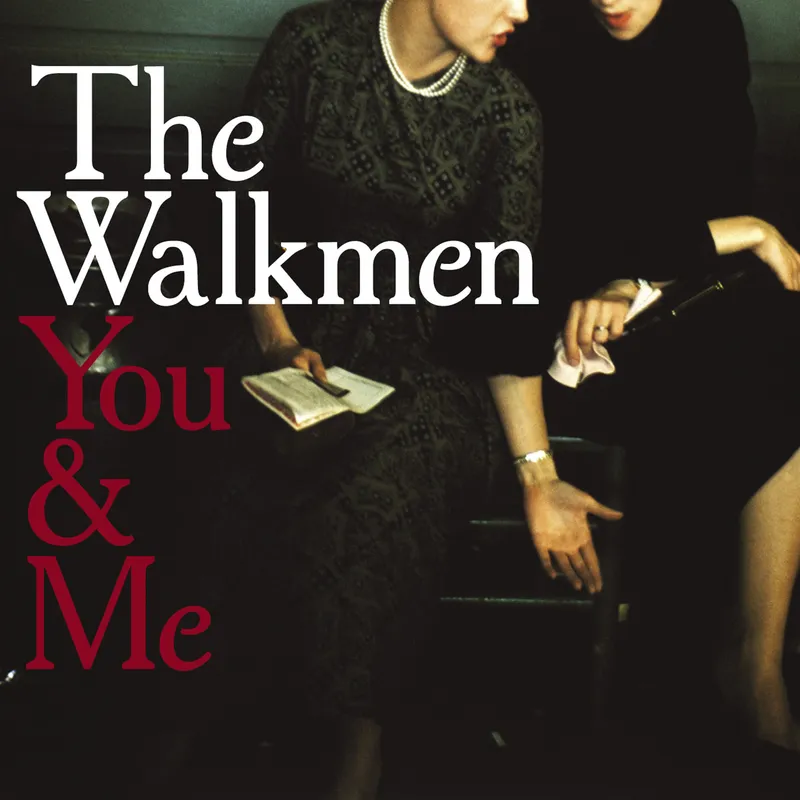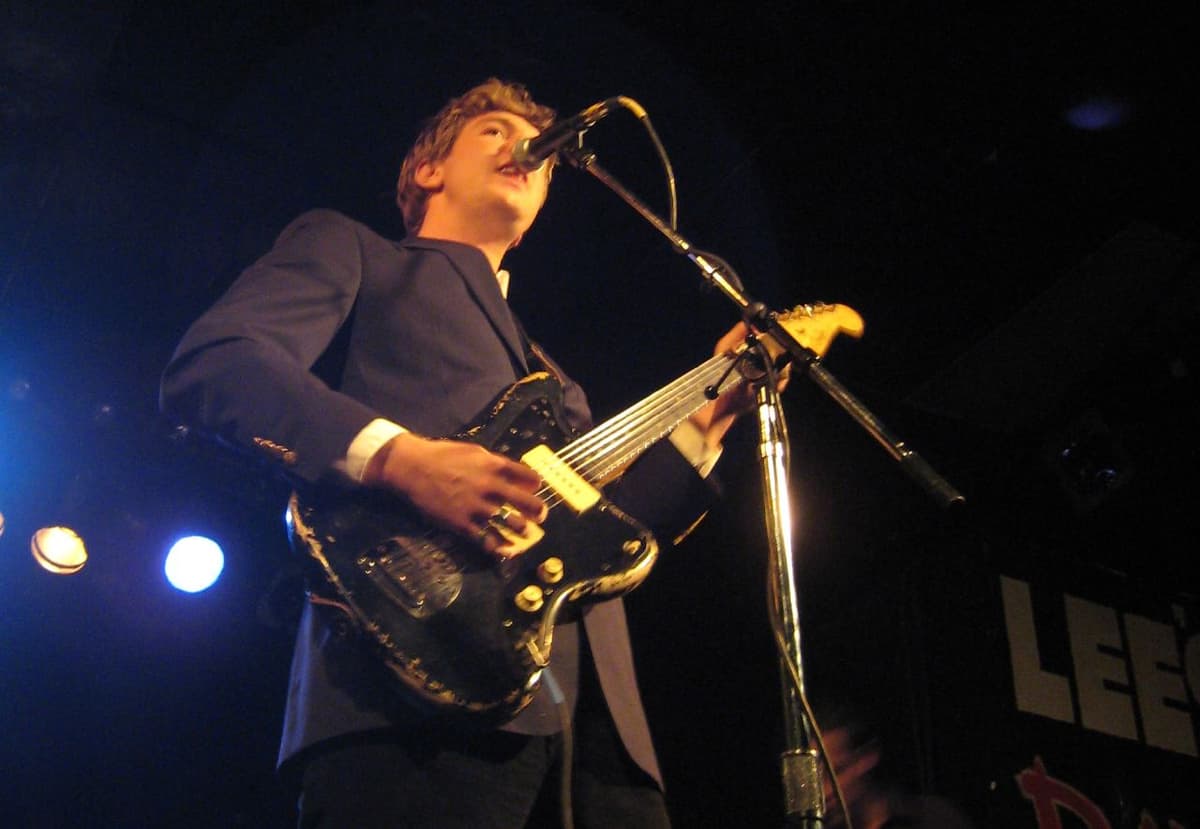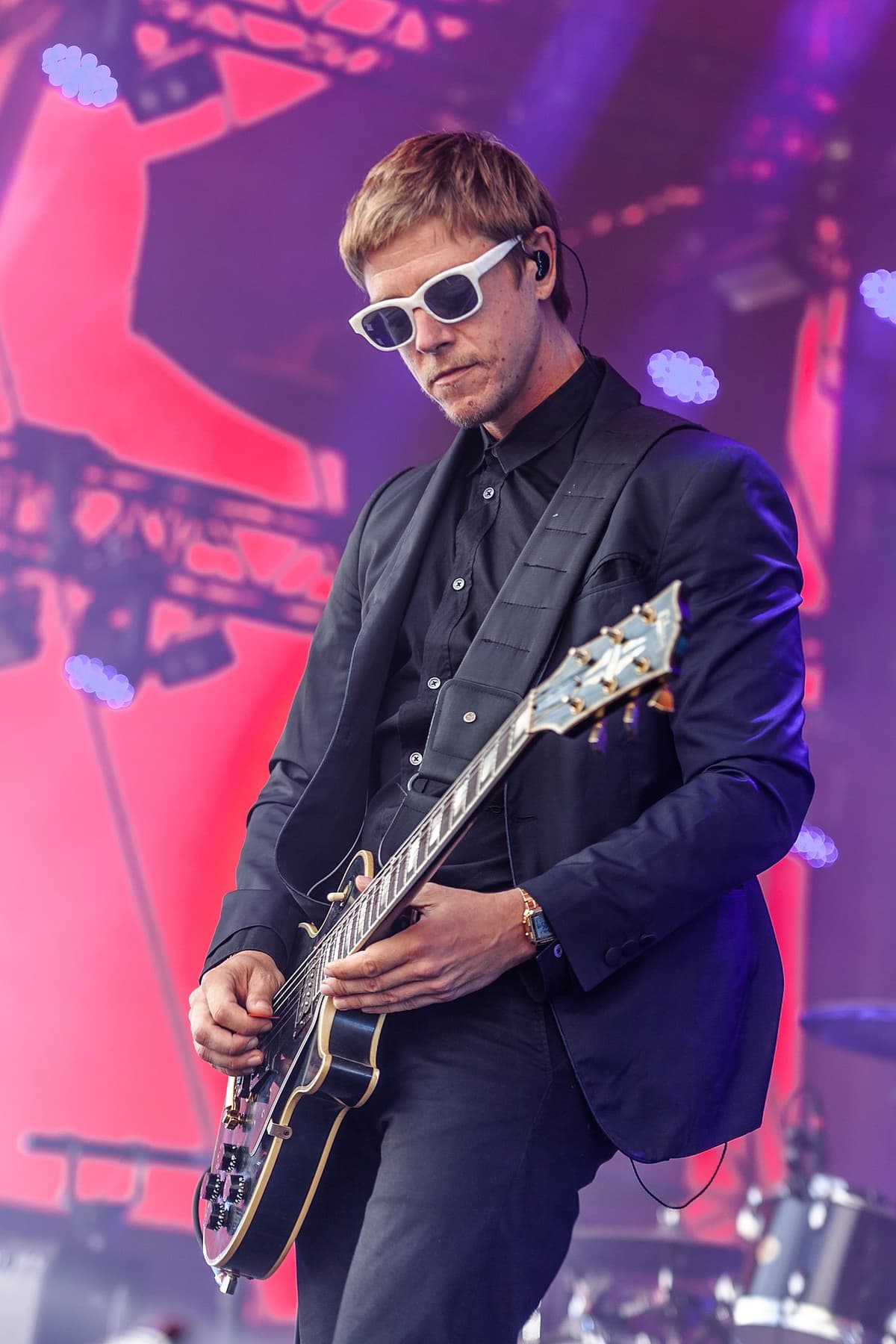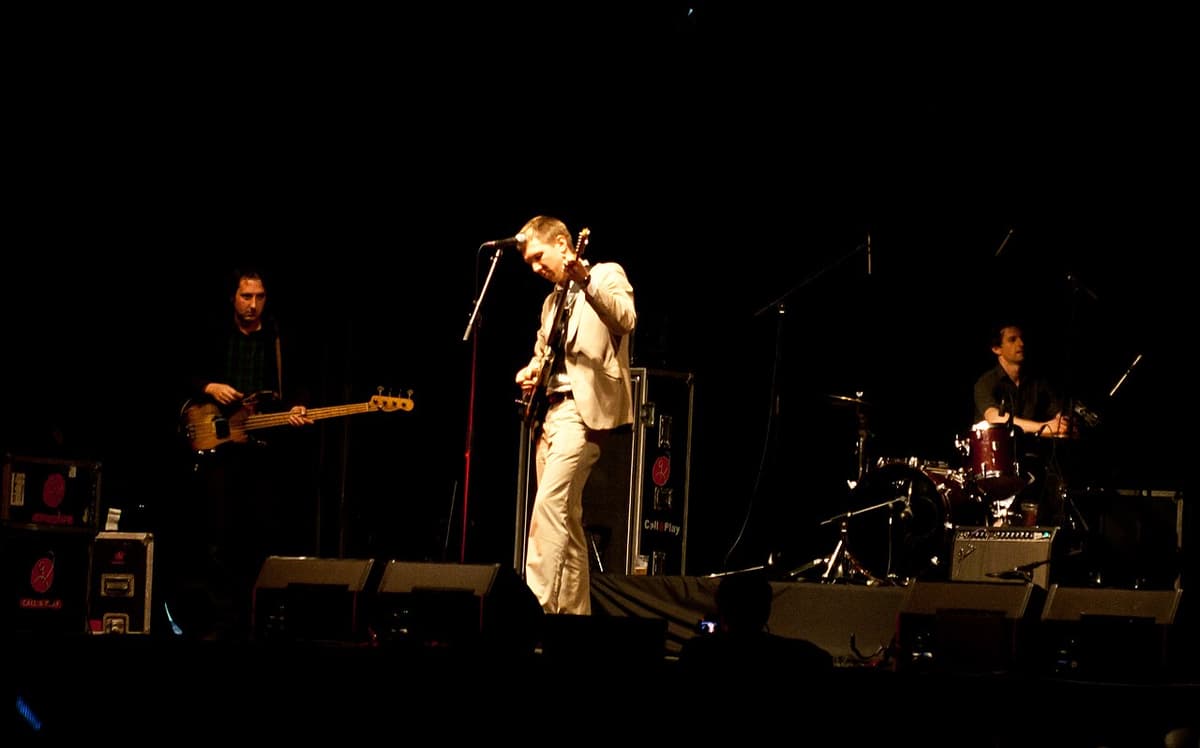
The Walkmen
Echoing upright pianos and frantic drums meet a voice that sounds like a late-night confession. Sophisticated, vintage-soaked indie rock for the urban melancholic.
Echoing upright pianos and frantic drums meet a voice that sounds like a late-night confession. Sophisticated, vintage-soaked indie rock for the urban melancholic.
The Walkmen emerged from the ashes of Jonathan Fire*Eater and The Recoys, becoming central figures in the New York City post-punk revival of the early 2000s. Unlike many of their contemporaries who leaned into garage rock revivalism, The Walkmen cultivated a more literate, atmospheric sound rooted in vintage instrumentation and high-fidelity analog recording techniques.
Their home base, Marcata Recording, was essential to their identity, providing the cavernous reverb and 'dusty' sonic profile that defines albums like 'Everyone Who Pretended to Like Me Is Gone.' Their career arc saw a transition from the jagged intensity of 'The Rat' toward the more refined, sun-drenched Americana and chamber-pop influences of 'Lisbon' and 'Heaven.' Critically, they are regarded as one of the most consistent and dignified bands of their era, avoiding trends in favor of a timeless, slightly detached aesthetic. Their influence is seen in the solo careers of Leithauser and Martin, as well as the broader indie-folk and art-rock scenes of the 2010s.
Shares indie rock, post-punk, art rock (subgenres); nostalgic, wistful, bittersweet (moods)
Shares indie rock, post-punk, chamber pop (subgenres); urban_night, dusk, late_night (atmosphere)
Shares indie rock, post-punk, chamber pop (subgenres); analog_warmth, reverb_heavy (production style)
Shares indie rock, post-punk, art rock (subgenres); analog_warmth, reverb_heavy (production style)
Shares post-punk, art rock, dusk, chamber pop (subgenre)
Shares reverb_heavy, post-punk, dusk, chamber pop (signature)
Cassette uses generative AI to enrich its catalog. How we use AI →