The Long Ryders
Gritty jangle-pop meets high-octane country rock. It is the sound of 60s folk-rock filtered through an 80s punk lens, perfect for long drives and dusty roads.
Gritty jangle-pop meets high-octane country rock. It is the sound of 60s folk-rock filtered through an 80s punk lens, perfect for long drives and dusty roads.
The Long Ryders sound like a high-speed chase between a vintage Byrds record and a garage punk band. There is a persistent, sun-bleached grit to their music, where shimmering 12-string guitars collide with a rhythm section that sounds like it is perpetually on the verge of a breakdown. It is music that feels lived-in, smelling of stale beer and expensive tube amps, bridging the gap between the cosmic cowboy era and the restless energy of the 1980s underground.
What makes them truly distinctive is their refusal to choose between the 'Paisley' and the 'Underground.' While their peers in the L.A. scene were often content with hazy psychedelia, The Long Ryders injected a sharp, political, and often aggressive edge into their roots-rock foundations. Their vocal harmonies are tight and traditional, yet the delivery is raw and unpolished, creating a tension that feels both timeless and urgent.
Start with 'Native Sons' to hear the definitive blueprint of alternative country. It captures the band at their peak, featuring guest vocals from Gene Clark and a collection of songs that prove you can be a student of music history while simultaneously trying to set it on fire.
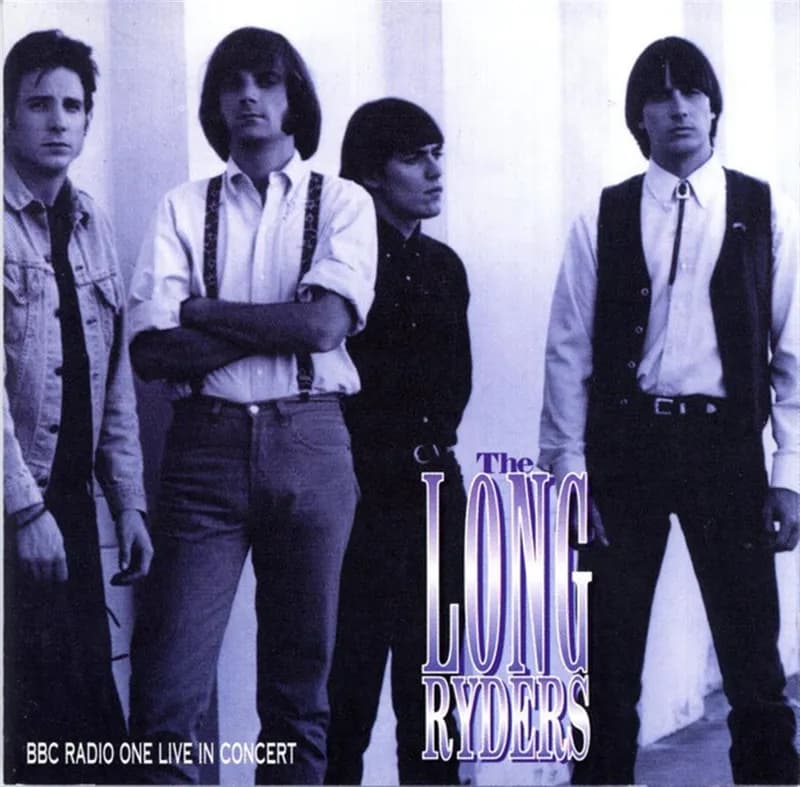
The Long Ryders are an American alternative country and Paisley Underground band, principally active between 1982 and 1987, who have periodically regrouped for brief reunions (2004, 2009, 2014, 2016). In 2019 they released a new studio album – their first in 32 years – and played a series of tour dates. The Long Ryders were originally formed by several American musicians who were each multi-instrumentalists and influenced by Gram Parsons, the Byrds, country music and various punk rock groups. They were named after the Walter Hill film, the Long Riders. The band featured Sid Griffin and Stephen McCarthy on vocals and guitar; Des Brewer on bass (later replaced by Tom Stevens); and Greg Sowders on drums. Although two members were transplants from the American South, they became a popular Los Angeles rock band, forming in the early 1980s and originally associated with a movement called the Paisley Underground. With a sound reminiscent of Rubber Soul-era Beatles, electric Bob Dylan, Buffalo Springfield and the Flying Burrito Brothers, but with a harder edge, they anticipated the alternative country music of the 1990s by a decade. Their early work contained influences of both punk (largely attributable to devoted record collector Griffin) and old-school country (championed by McCarthy). Former Byrd Gene Clark joined them on their first full-length album, 1984's Native Sons, adding vocals to the song "Ivory Tower". Their initial studio release, the 10-5-60 EP, consisted of Griffin, Brewer, McCarthy, and Sowders. Brewer left after the release of 10-5-60. He was replaced by Tom Stevens, and that line-up remained in place as a recording unit until their eventual demise.
Shares americana, garage rock (subgenres); analog warmth, live recording, lo fi (production style)
Shares analog warmth, live recording, lo fi (production style); nostalgic, energetic, wistful (moods)
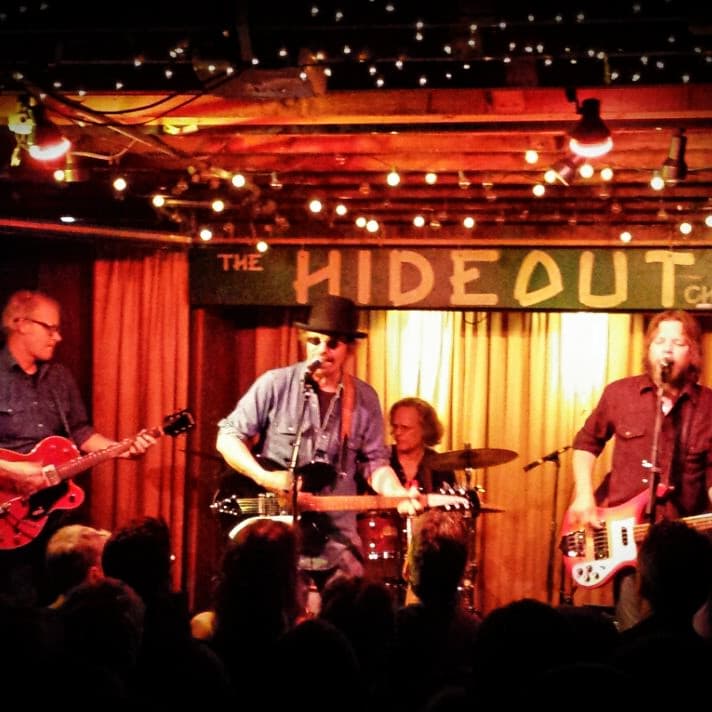
Shares americana, garage rock (subgenres); analog warmth, live recording, stripped back (production style)
Shares analog warmth, live recording, lo fi (production style); harmonized, raspy, raw (vocal style)
Shares analog warmth, live recording, lo fi (production style); harmonized, raspy, raw (vocal style)
Shares analog warmth, live recording, lo fi (production style); road trip, dive bar, open field (atmosphere)
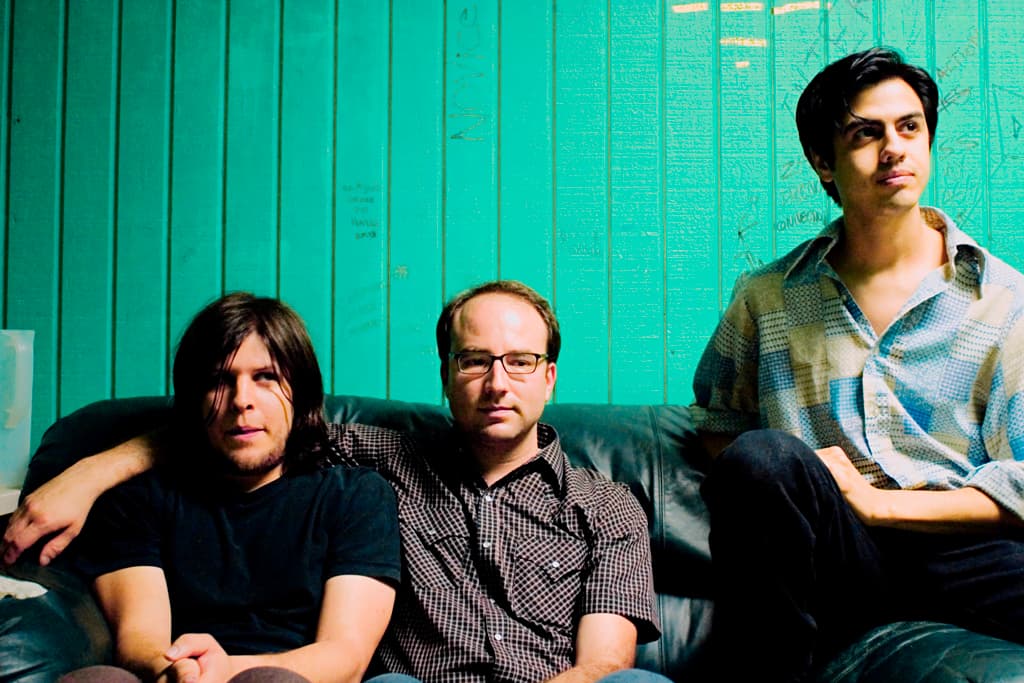
Shares americana, garage rock, psychedelic rock (subgenres); rebellious, nostalgic, energetic (moods)
Shares analog warmth, live recording, lo fi (production style); rebellious, energetic, wistful (moods)
Shares harmonica, garage rock, americana, raw (instrumentation)
Cassette uses generative AI to enrich its catalog. How we use AI →