The Last sounds like the missing link between the sun-drenched harmonies of the Beach Boys and the jagged, nervous energy of the early L.A. punk scene. Their music is built on a foundation of classic songwriting, featuring bright, jangling guitars and organ flourishes that feel like a direct transmission from 1966. However, there is an unmistakable urgency and a layer of grit that keeps it firmly rooted in the late 70s underground, stripping away the polish of mainstream pop in favor of raw, kinetic movement.
What truly distinguishes them is the interplay between the Nolte brothers. Their vocal harmonies have that innate, intuitive blend only siblings can achieve, providing a melodic sweetness that contrasts sharply with the driving, often aggressive rhythm section. They managed to capture the specific feeling of the South Bay in the late 70s: a mix of suburban boredom, surf culture leftovers, and the looming shadow of the hardcore punk explosion that would soon follow.
For a perfect introduction, start with their 1979 debut L.A. Explosion! It is a definitive document of the era, showcasing their ability to write three-minute masterpieces that are simultaneously catchy and cutting. It is the sound of a band that loved the past too much to let it die, but was too restless to simply recreate it.
The Last is a Los Angeles–based band formed in 1976 by Joe Nolte with high school bandmates Vitus Mataré and Dave Harbison. By 1978 the band included three brothers: Joe (guitar, vocals), Mike (vocals), and David Nolte (bass guitar). They released several albums on SST Records, Bomp! Records and End Sounds.


Shares lo fi, analog warmth, live recording (production style); power pop, punk rock, garage rock (subgenres)
Shares lo fi, analog warmth, live recording (production style); power pop, punk rock, garage rock (subgenres)
Shares power pop, garage rock, punk rock (subgenres); lo fi, analog warmth, live recording (production style)
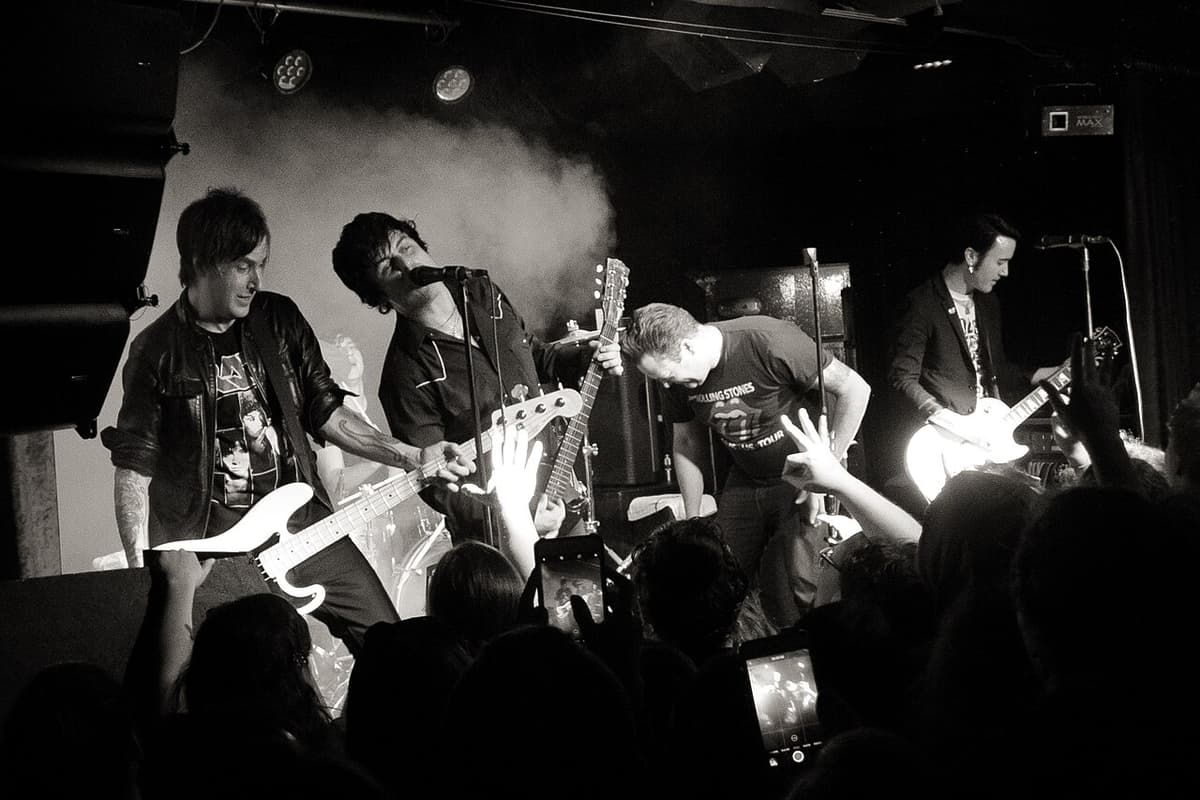
Shares garage rock, power pop, punk rock (subgenres); lo fi, analog warmth, live recording (production style)
Shares power pop, punk rock, garage rock (subgenres); basement show, urban night, dive bar (atmosphere)
Shares lo fi, analog warmth, live recording (production style); punk rock, garage rock, power pop (subgenres)
Shares power pop, punk rock, garage rock (subgenres); lo fi, analog warmth, stripped back (production style)
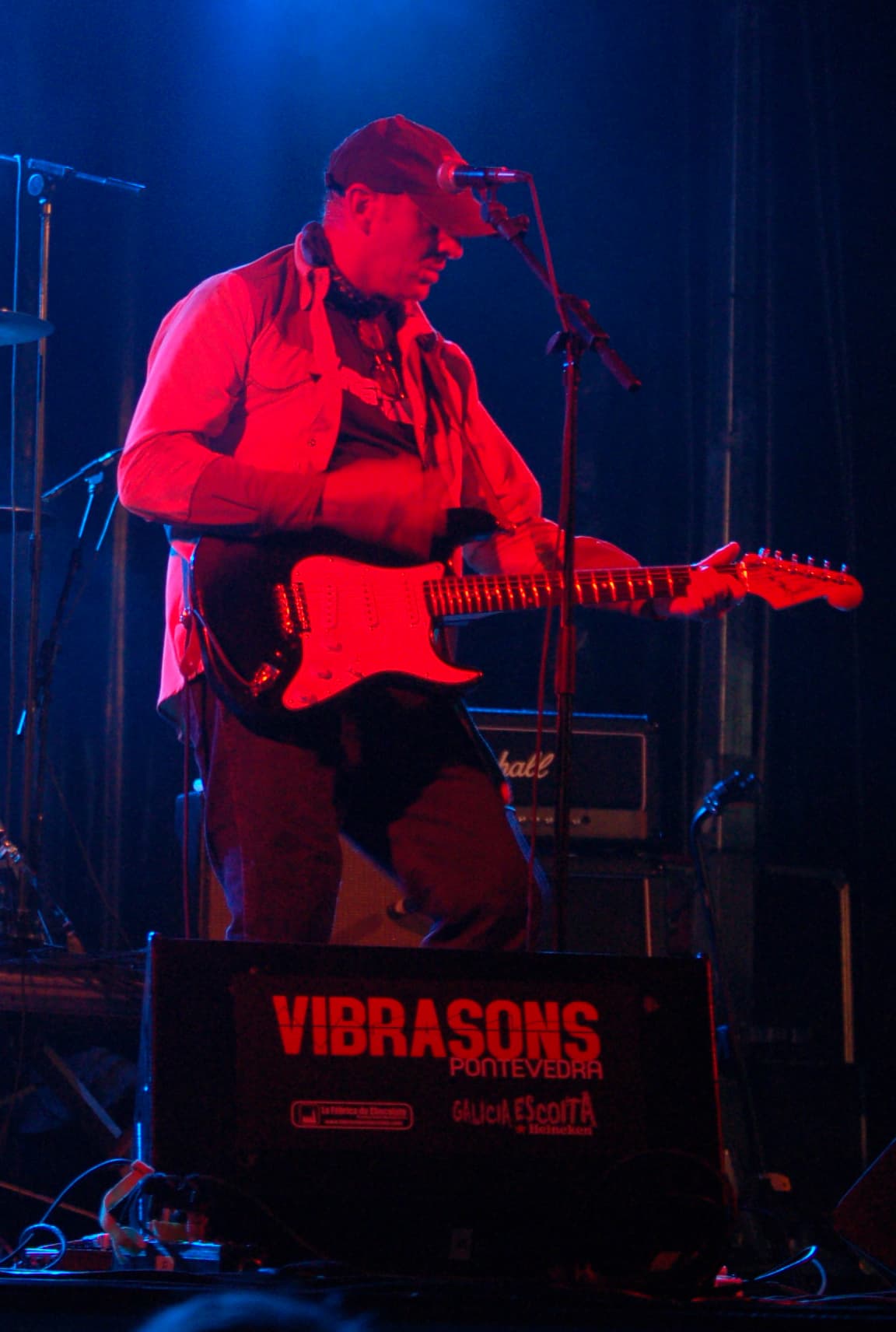
Shares power pop, garage rock, punk rock (subgenres); lo fi, analog warmth, live recording (production style)
Shares garage rock, punk rock, power pop (subgenres); harmonized, raw, crooning (vocal style)
Shares power pop, garage rock, punk rock (subgenres); lo fi, analog warmth, live recording (production style)
Shares power pop, surf rock, garage rock, punk rock (signature)
Cassette uses generative AI to enrich its catalog. How we use AI →