The Gothic Archies sound like a Victorian funeral held inside a 1980s toy store. Stephin Merritt’s unmistakable, subterranean baritone anchors a collection of songs that are as catchy as they are soul-crushingly bleak. It is the sound of a Casio keyboard being used to score a tragedy, blending the structural simplicity of bubblegum pop with the aesthetic trappings of gothic literature. The music is intimate, often sounding like it was recorded in a small, velvet-lined room where the only light comes from a single, dying bulb.
What sets this project apart is the commitment to total, unyielding despair, delivered with a wink. While Merritt’s other projects like The Magnetic Fields allow for romantic yearning, The Gothic Archies exist in a vacuum of hopelessness. The melodies are deceptively jaunty, using instruments like the ukulele and accordion to create a 'morbid nursery rhyme' feel that makes the dark lyrical content even more jarring and hilarious. It is music for people who find comfort in the inevitable and humor in the macabre.
Start with 'The Tragic Treasury' to hear the project at its most conceptually realized. Created to accompany Lemony Snicket’s 'A Series of Unfortunate Events', these tracks perfectly capture the whimsical misery of the books. It is the ideal gateway into Merritt’s darker, more eccentric songwriting, offering a masterclass in how to make the end of the world sound like a catchy pop tune.
The Gothic Archies are an American indie rock/gothic rock band established by Stephin Merritt of The Magnetic Fields. In 1997, Merritt released The New Despair. The EP featured the song "Your Long White Fingers", which appeared frequently in the Nickelodeon series The Adventures of Pete & Pete. The band later became more prominent when Merritt wrote, performed and recorded songs for the audiobook versions of Lemony Snicket's A Series of Unfortunate Events. A collection of thirteen songs based on each book and two additional tracks was released as The Tragic Treasury on October 10, 2006, to coincide with the release of the final book in the series. The Gothic Archies briefly toured to promote the album featuring Merritt on ukulele and Daniel Handler on accordion. In 2002, The Gothic Archies composed original music for the audiobook version of Neil Gaiman's Coraline.

Shares indie rock, art pop, chamber pop (subgenres); bedroom production, analog warmth, lo fi (production style)
Shares indie rock, art pop, chamber pop (subgenres); brooding, playful, wistful (moods)
Shares bedroom production, analog warmth, lo fi (production style); indie rock, art pop (subgenres)
Shares indie rock, art pop, chamber pop (subgenres); bedroom production, analog warmth, lo fi (production style)
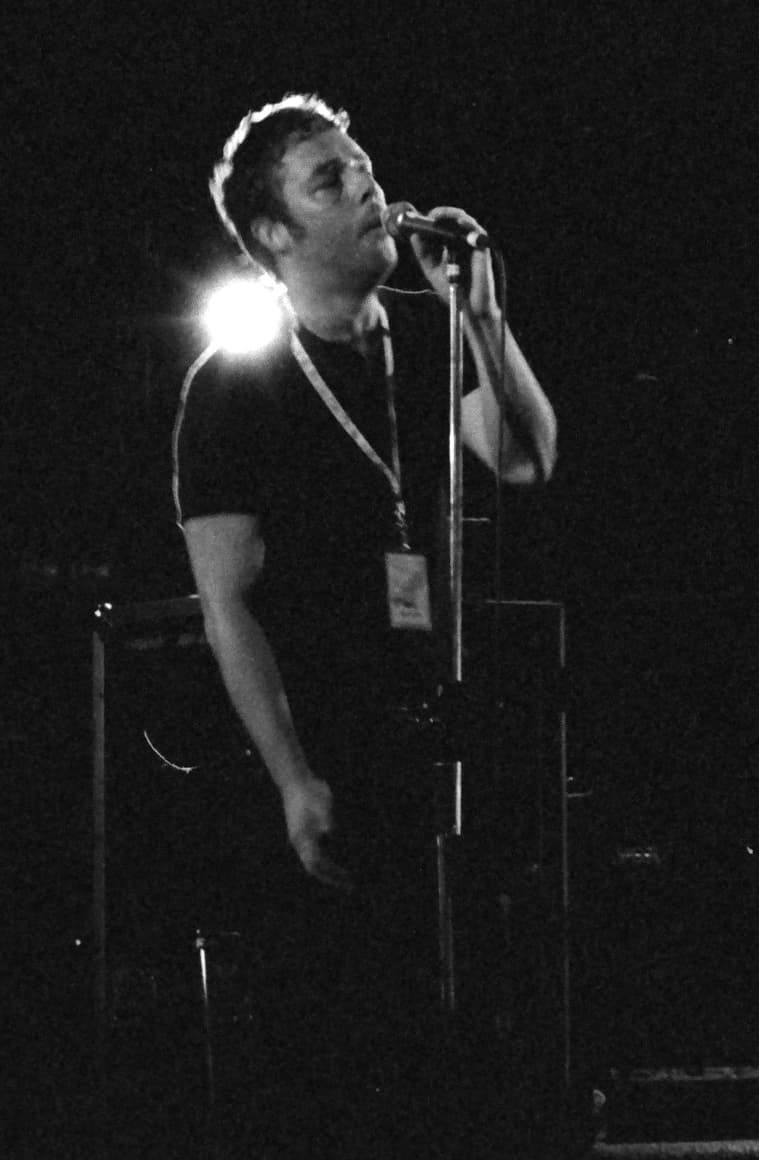

Shares art pop, indie rock, baroque pop (subgenres); bedroom production, analog warmth, lo fi (production style)
Shares brooding, wistful, melancholic (moods); indie rock, darkwave (subgenres)
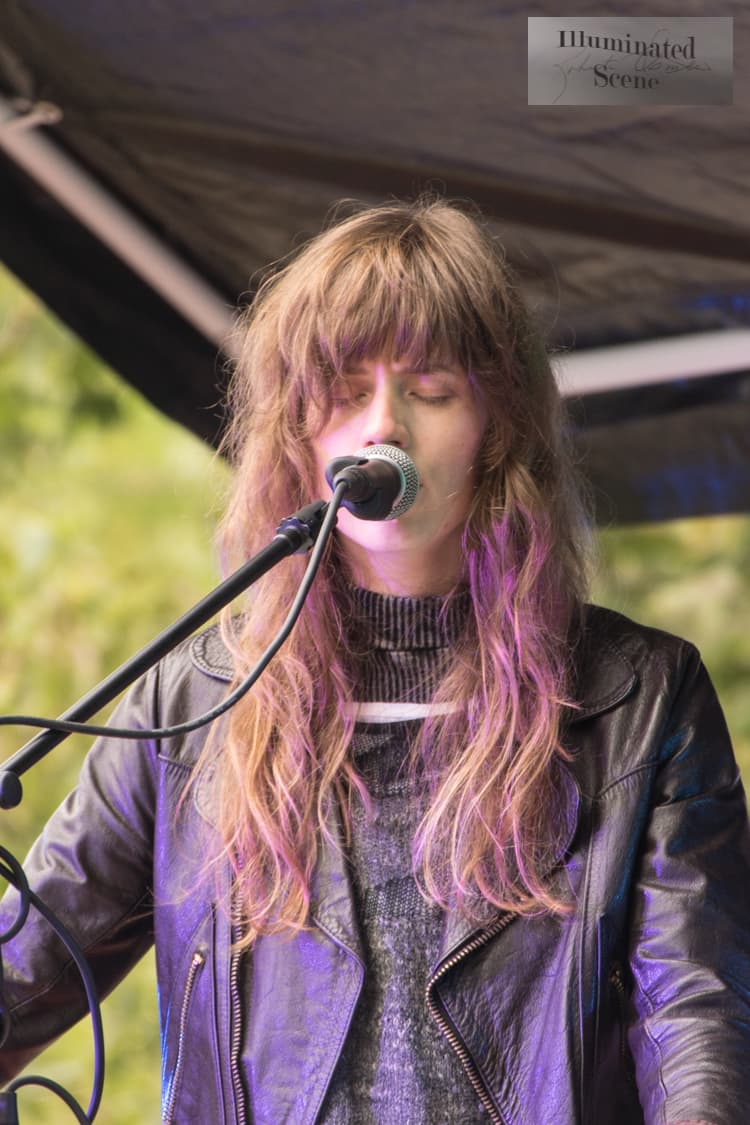
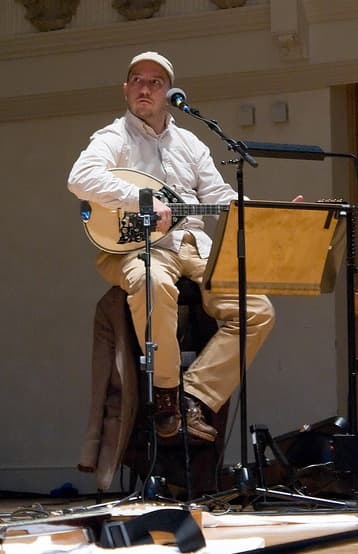
Shares bedroom production, analog warmth, lo fi (production style); brooding, wistful, melancholic (moods)
Shares chamber pop, baritone, baroque pop, bedroom production (signature)
Shares chamber pop, baroque pop, bedroom production, art pop (signature)
Cassette uses generative AI to enrich its catalog. How we use AI →