The music of The Electric Peanut Butter Company feels like a vivid, sun-drenched hallucination of a 1970s block party. It is deeply rhythmic, anchored by 'monster' drum breaks that sound like they were sampled from a rare breakbeat compilation, yet it maintains a buttery smoothness through its melodic layers. There is a palpable sense of warmth and grit, as if every track was passed through a vintage tape machine multiple times to achieve the perfect level of saturation.
What truly sets them apart is the 'Trans-Atlantic' chemistry between Shawn Lee and Adrian Quesada. Despite being recorded via email, the music has a spontaneous, live-in-the-room energy that belies its digital origins. They masterfully blend heavy funk foundations with the trippy, kaleidoscopic textures of 60s psych-folk and the soulful romanticism of Latin groups like Los Ángeles Negros. It is a sophisticated exercise in crate-digger aesthetics, where the production itself is as much an instrument as the guitars or keys.
Start with 'Trans-Atlantic Psych Classics, Vol. 2' to hear their unique approach to covers, particularly their hazy reimagining of 'Dreams.' It serves as the perfect gateway into their world of crunchy rhythms and psychedelic soul. This is music for people who love the feeling of discovering a forgotten masterpiece in a bargain bin, only to realize it sounds more modern than anything on the radio.



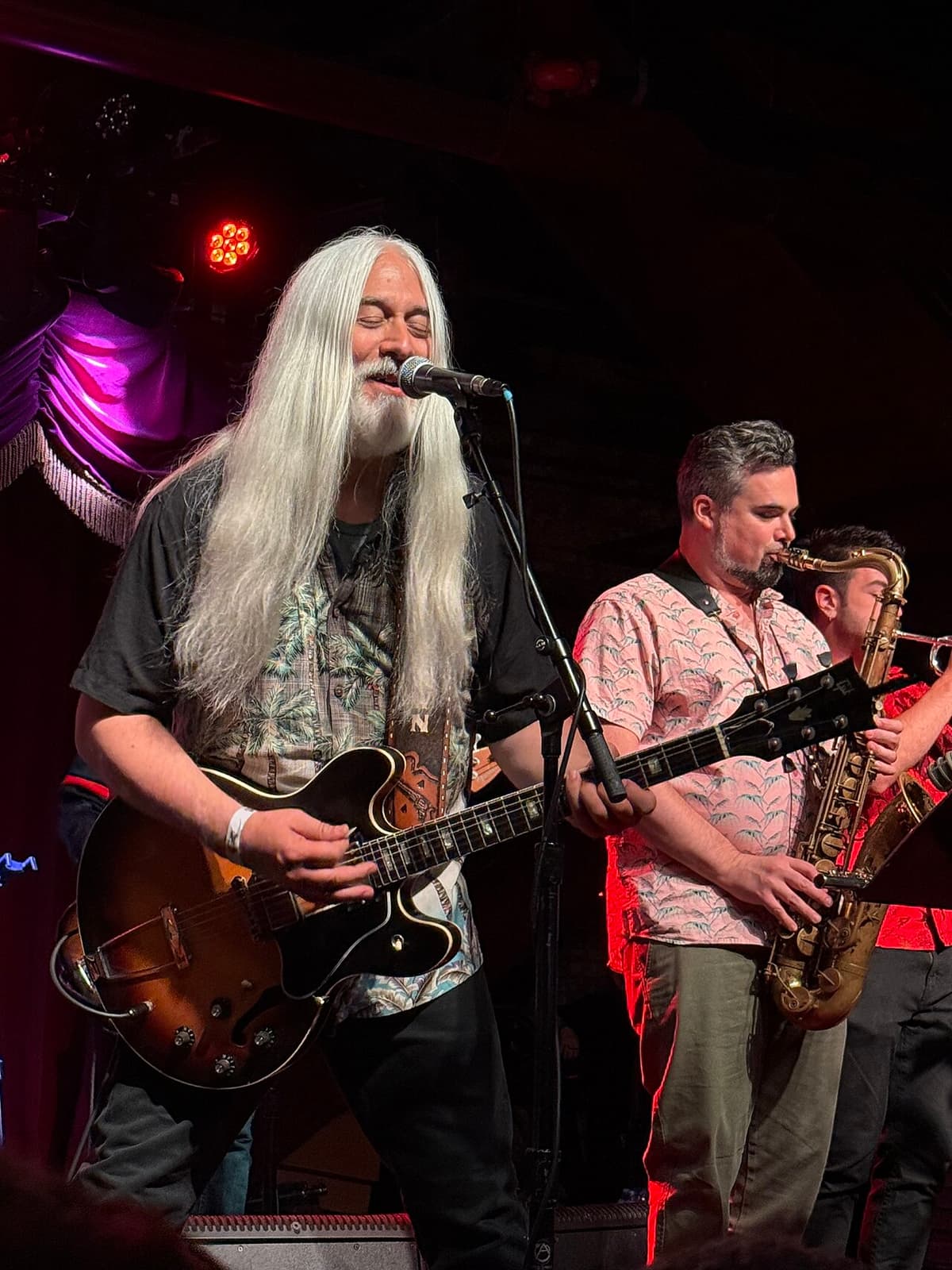
Shares latin pop, funk, soul, analog warmth (subgenre)
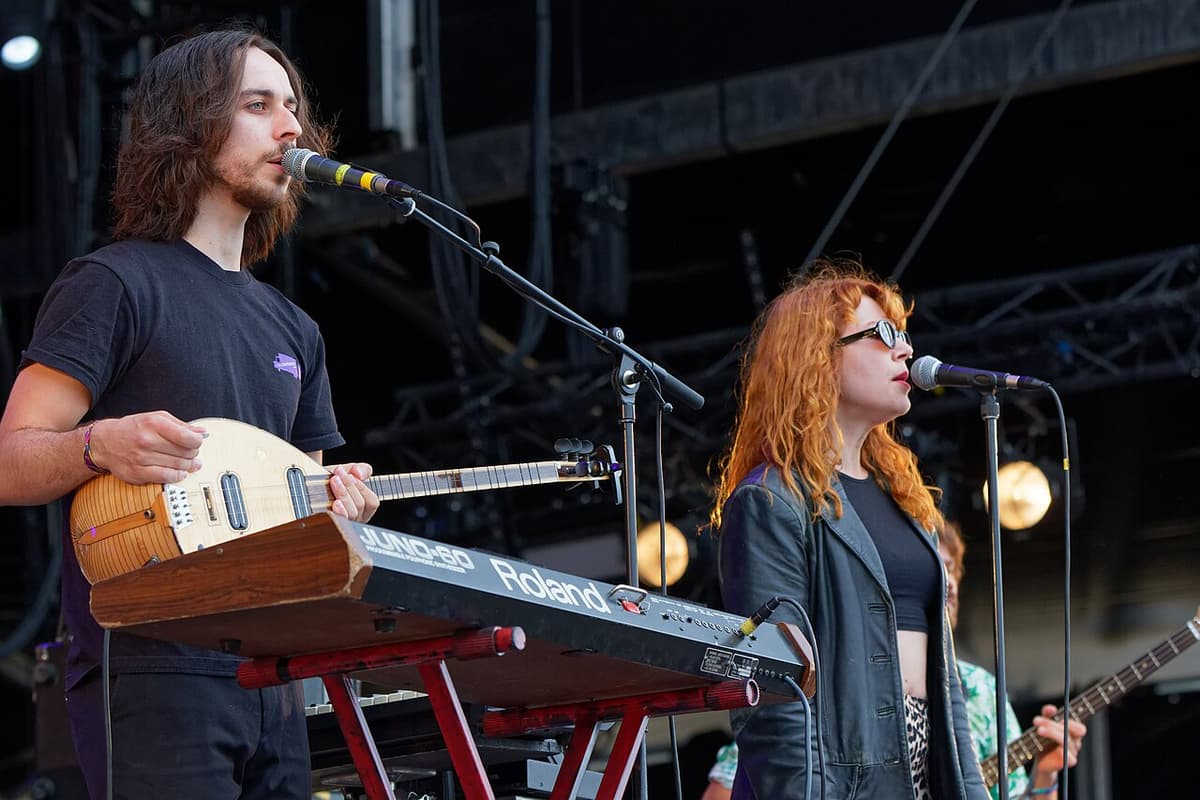
Shares psychedelic rock, dusty, funk, tape saturation (signature)
Shares funk, soul, psychedelic rock, percussion (subgenre)
Shares funk, soul, tape saturation, analog warmth (subgenre)
Shares psychedelic rock, funk, art rock, analog warmth (signature)
Shares psychedelic rock, funk, tape saturation, art rock (signature)
Shares drums, funk, soul, tape saturation (signature)
Cassette uses generative AI to enrich its catalog. How we use AI →