The Cynics sound like a time capsule from 1966 that was buried in a Pittsburgh steel mill and unearthed with all its jagged edges intact. Their music is defined by Gregg Kostelich's legendary guitar tone: a piercing, overdriven fuzz that feels like it's physically pushing against the speakers. Michael Kastelic provides the perfect foil with a vocal style that sits somewhere between a soulful plea and a contemptuous sneer, capturing the 'cynical' attitude that gave the band its name.
What truly sets them apart is their fanatical devotion to the primitive energy of the original garage rock era while avoiding the trap of being a mere tribute act. They don't just play the notes; they inhabit the desperation and teenage angst of the genre. The rhythm section provides a relentless, driving stomp that favors impact over complexity, creating a wall of sound that is both warm and dangerously sharp.
For the uninitiated, 'Rock 'n' Roll' (1989) is the essential starting point. It captures the band at their peak of aggression and melodic sensibility. If you want to hear the darker, more atmospheric side of their sound, 'Blue Train Station' offers a masterclass in how to blend psychedelic textures with raw, street-level rock and roll.
The Cynics are an American garage rock band from Pittsburgh, Pennsylvania. The band, at the time consisting of guitarist Gregg Kostelich, drummer Bill Von Hagen, vocalist Michael Kastelic who joined in 1985, bass player Steve Magee, and keyboardist Becky Smith (later founder of New York City's Bellwether gallery), debuted with their first album, Blue Train Station in 1986. Many of their songs "carry the torch" for other favorite bands as cover songs or tributes. They underwent a number of lineup changes culminating in 1989's Rock and Roll album. They formed their own independent record label called Get Hip Records in 1986. They suffered an eight-year break up after the release of Get Our Way but returned in 2002 with the release of Living Is the Best Revenge. The release of their 2007 album Here We Are was accompanied with a European tour. The band's sound is influenced by 1960s garage rock.


Shares garage rock, psychedelic rock, punk rock (subgenres); lo fi, analog warmth, live recording (production style)
Shares garage rock, psychedelic rock, punk rock (subgenres); lo fi, analog warmth, live recording (production style)
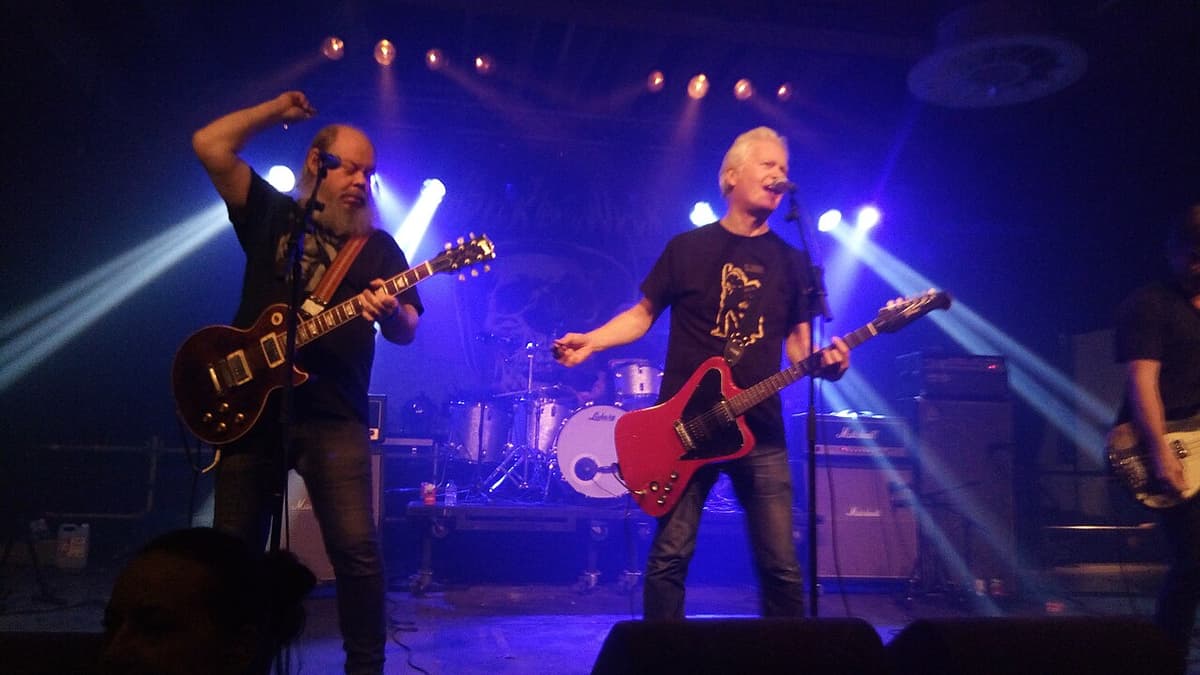
Shares garage rock, psychedelic rock, punk rock (subgenres); defiant, energetic, rebellious (moods)
Shares garage rock, punk rock, alternative rock (subgenres); rebellious, energetic, defiant (moods)
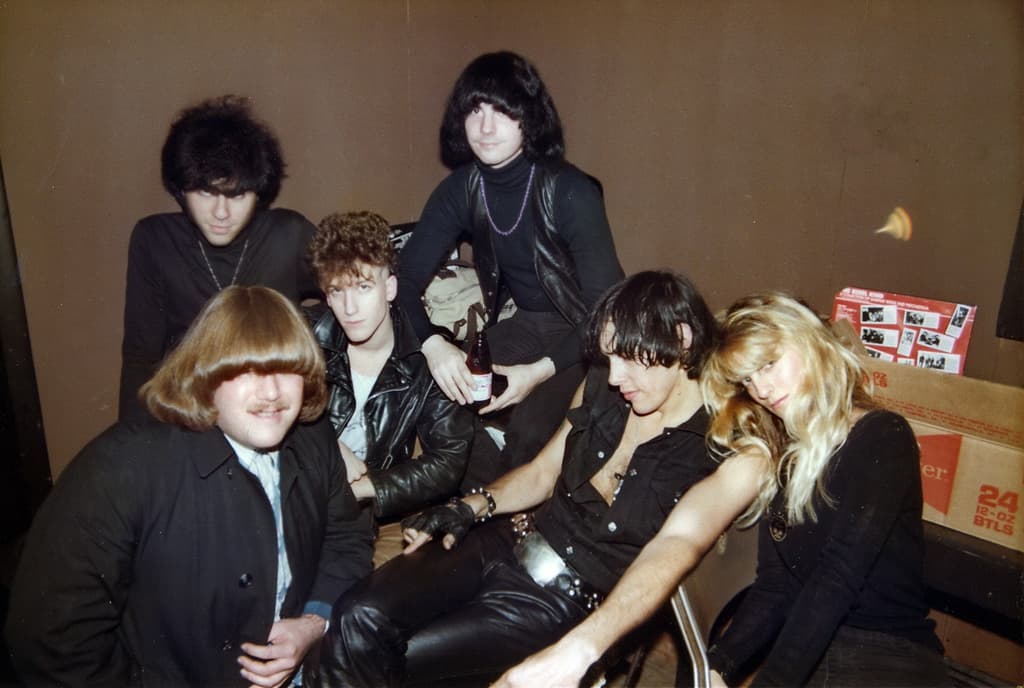
Shares garage rock, psychedelic rock (subgenres); lo fi, analog warmth, live recording (production style)
Shares lo fi, analog warmth, live recording (production style); garage rock, psychedelic rock (subgenres)
Shares garage rock, psychedelic rock, punk rock (subgenres); lo fi, analog warmth, live recording (production style)
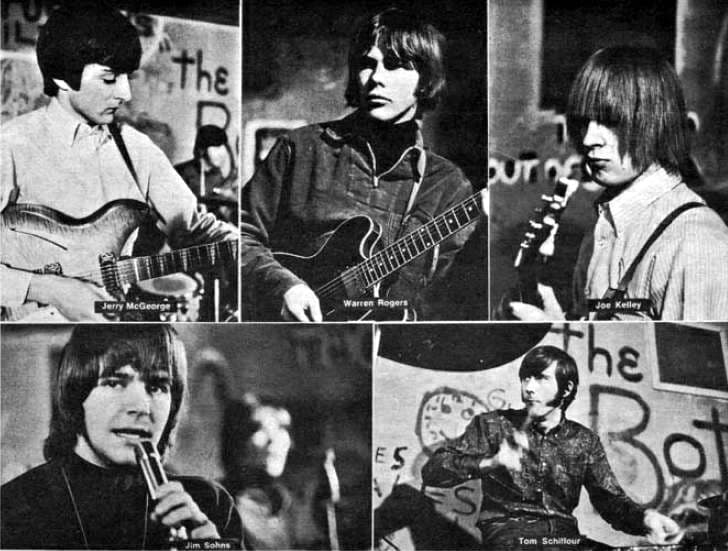
Shares garage rock, psychedelic rock, punk rock (subgenres); lo fi, analog warmth, live recording (production style)
Shares garage rock, psychedelic rock, punk rock (subgenres); lo fi, analog warmth, live recording (production style)
Shares garage rock, punk rock, psychedelic rock, rebellious (subgenre)
Cassette uses generative AI to enrich its catalog. How we use AI →