TEKE::TEKE
High-octane Japanese psych-rock fused with cinematic surf guitar and theatrical vocals. A wild, technicolor trip through mythic landscapes and gritty grooves.
High-octane Japanese psych-rock fused with cinematic surf guitar and theatrical vocals. A wild, technicolor trip through mythic landscapes and gritty grooves.
TEKE::TEKE sounds like a lost 1960s Japanese action movie soundtrack rediscovered in a Montreal basement and injected with modern psychedelic adrenaline. It is a dense, swirling collision of surf-rock twang, frantic flute melodies, and heavy brass that feels both ancient and futuristic. The music moves with a restless, cinematic energy, shifting from fuzzed-out garage rock explosions to delicate, ethereal folk passages without losing its driving momentum.
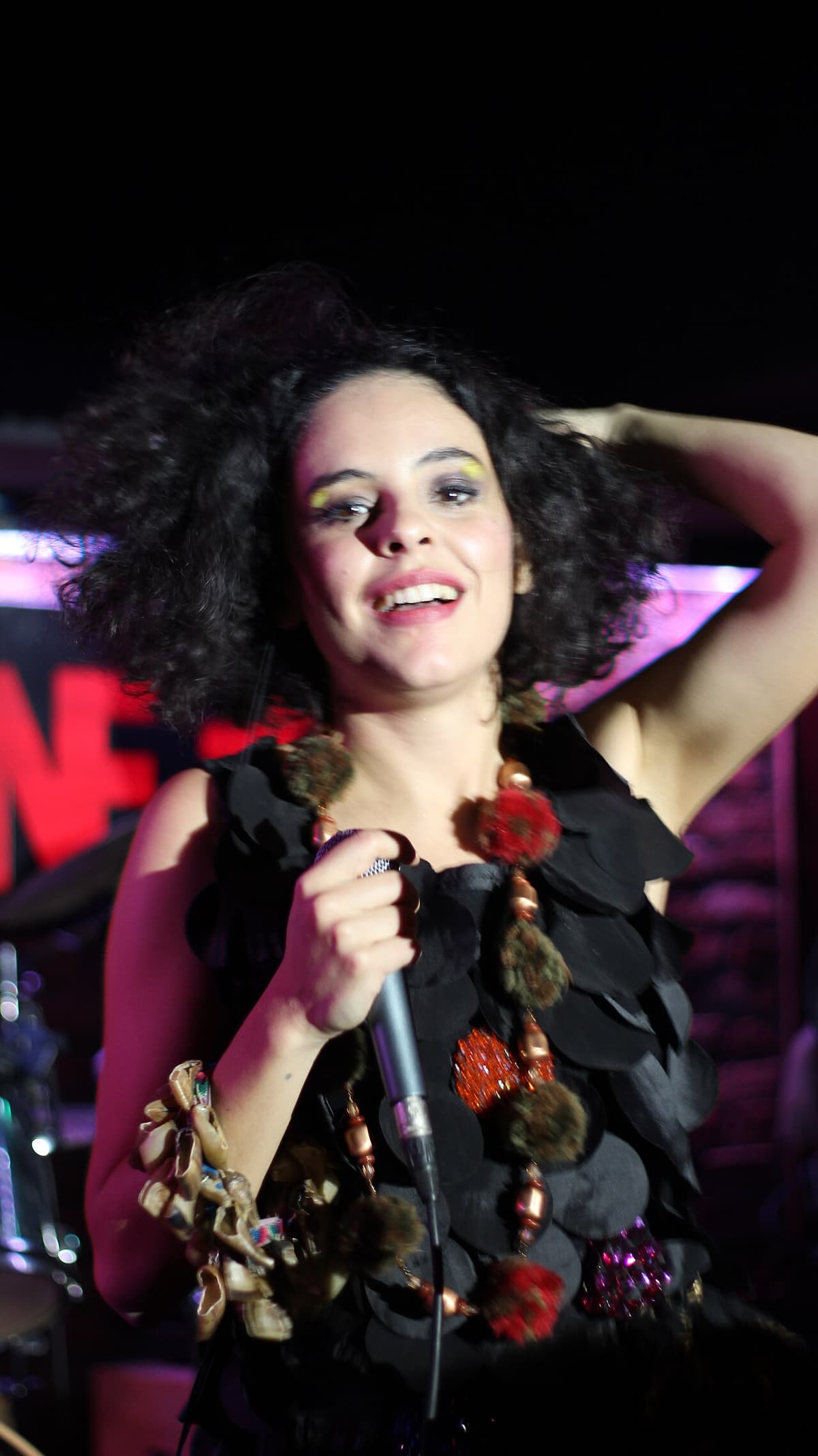
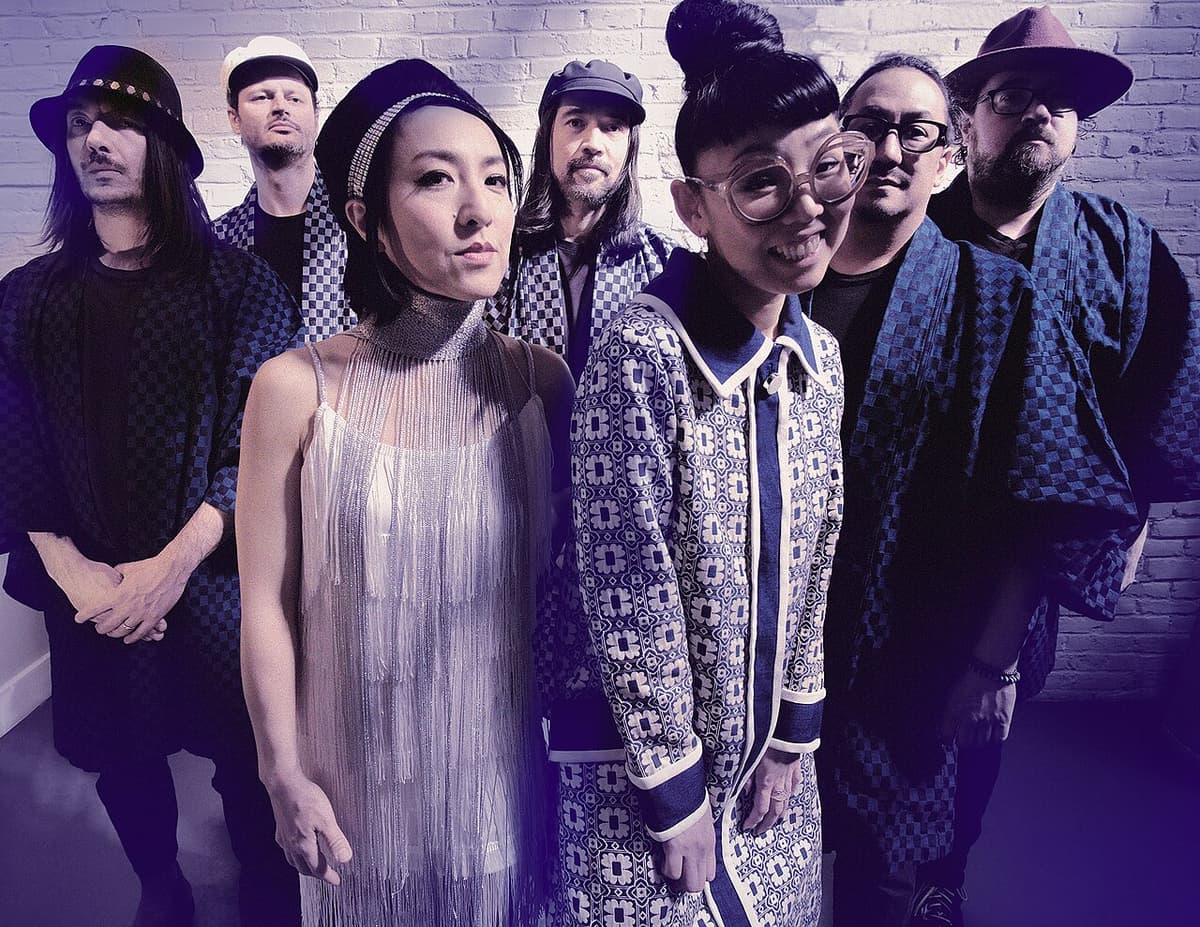
What truly sets them apart is the theatricality of Maya Kuroki's vocals and the specific 'eleki' guitar influence of Takeshi Terauchi. The band operates as a seven-piece powerhouse, creating a wall of sound where traditional Japanese scales meet Western rock aggression. It is music that feels visual, almost tactile, as if every song is a scene from a surrealist graphic novel where the stakes are impossibly high.
Start with the album 'Shirushi' to hear their most cohesive statement of intent. It perfectly balances their frantic surf-rock roots with their more expansive, experimental tendencies. If you want something even more adventurous and textured, dive into 'Hagata,' where the band pushes their multi-instrumental arrangements into deeper, darker, and more mythic territory.
TEKE::TEKE is a Japanese-Canadian psychedelic rock band, whose music blends Japanese rock and surf rock influences. Their album Shirushi, was a longlisted nominee for the 2021 Polaris Music Prize, as was their follow up, 2023's Hagata. The band was formed by guitarist Serge (Sei) Nakauchi Pelletier, trombonist Étienne Lebel and drummer Ian Lettre, originally as a Takeshi Terauchi tribute band, after they discovered Terauchi's music while on tour with rapper Boogat. They added guitarist Hidetaka Yoneyama, bassist Mishka Stein and flautist Yuki Isami and made their live debut in a 2017 show at the Distorsion Festival in Montreal; by the time of the band's second show at the Pop Montreal festival, they had added vocalist Maya Kuroki and evolved from a straight Terauchi cover band to performing original material inspired by Japanese eleki music. Their debut EP Jikaku was released in 2018, and Shirushi, their full-length debut album, was released in May 2021 on Kill Rock Stars. They followed up in 2023 with Hagata, which was longlisted for the 2024 Polaris Music Prize. In 2024 it was announced they were commissioned to create an original album soundtrack for Ubisoft's Assassin's Creed: Shadows. Sei Nakauchi Pelletier has also had credits as a film composer, and received a Canadian Screen Award nomination for Best Original Music in a Documentary at the 13th Canadian Screen Awards in 2025 for his work on Diary of a Father (Journal d'un père).
Shares psychedelic rock, surf rock, art rock (subgenres); analog warmth, layered dense, reverb heavy (production style)
Shares psychedelic rock, surf rock, art rock (subgenres); analog warmth, reverb heavy, live recording (production style)
Shares analog warmth, layered dense, reverb heavy (production style); psychedelic rock, art rock, garage rock (subgenres)
Shares psychedelic rock, surf rock, art rock (subgenres); analog warmth, reverb heavy, live recording (production style)
Shares psychedelic rock, art rock, garage rock (subgenres); analog warmth, reverb heavy, live recording (production style)
Shares psychedelic rock, surf rock, art rock (subgenres); analog warmth, reverb heavy, live recording (production style)
Shares psychedelic rock, art rock, garage rock (subgenres); mysterious, intense, playful (moods)
Shares analog warmth, layered dense, reverb heavy (production style); psychedelic rock, art rock, garage rock (subgenres)
Shares psychedelic rock, surf rock, art rock (subgenres); mysterious, playful, rebellious (moods)
Shares surf rock, garage rock, psychedelic rock, art rock (signature)
Shares surf rock, garage rock, psychedelic rock, art rock (signature)
Cassette uses generative AI to enrich its catalog. How we use AI →