Taylor Bickett makes music for the person who feels everything at a high resolution. Her sound is anchored by clean acoustic guitars and bright piano melodies, but the real centerpiece is her voice: a flexible, theatrical instrument that manages to sound like a close friend whispering a secret. It is polished but never sterile, maintaining a bedroom-pop intimacy even when the production swells into more cinematic indie-pop territory.
What sets her apart is her commitment to the 'professional oversharer' aesthetic. She doesn't just sing about being sad; she sings about the specific math of aging and the exact moment a relationship loses its spark. There is a distinct musical theater influence in her delivery, characterized by precise enunciation and a narrative arc within every song that makes her work feel like a series of three-minute one-act plays.
Start with 'QUARTER LIFE CRISIS' to hear her sharpest lyrical observations on the passage of time, then move to 'IDIOT!' for a more upbeat take on self-deprecating romantic frustration. Her music is a perfect companion for anyone navigating the messy transition into adulthood.

Shares indie pop, chamber pop (subgenres); breathy, gentle, vocal layering (vocal style)
Shares indie pop, chamber pop (subgenres); vulnerable, bittersweet, contemplative (moods)
Shares indie pop, chamber pop (subgenres); vulnerable, bittersweet, wistful (moods)
Shares indie pop, chamber pop (subgenres); vulnerable, nostalgic, bittersweet (moods)
Shares indie pop, chamber pop (subgenres); vulnerable, nostalgic, wistful (moods)
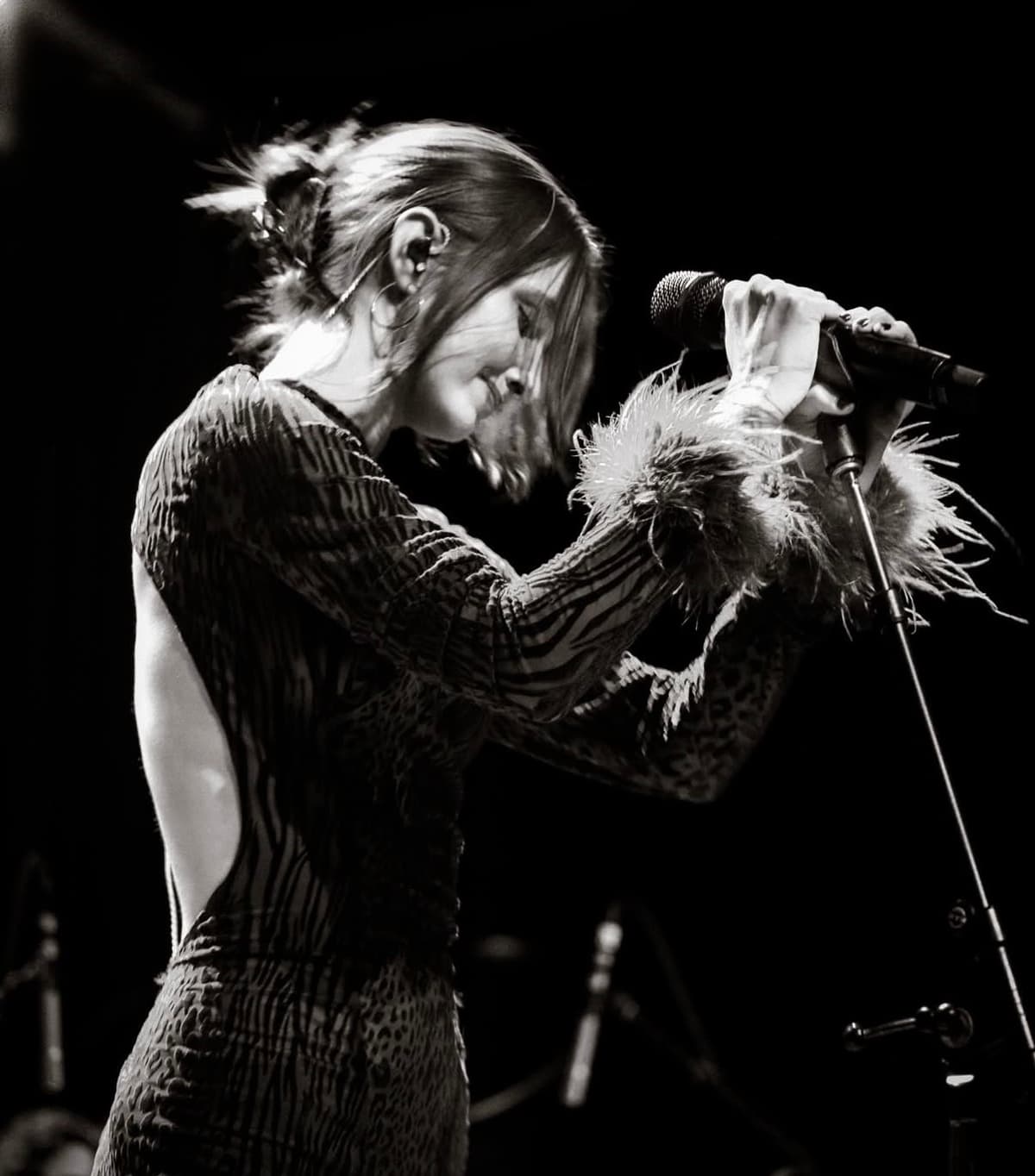

Shares indie pop, chamber pop (subgenres); coffee shop, rainy day, solitude (atmosphere)
Shares indie pop, chamber pop (subgenres); vulnerable, bittersweet, contemplative (moods)
Shares conversational, self examination, vocal layering, chamber pop (signature)
Cassette uses generative AI to enrich its catalog. How we use AI →