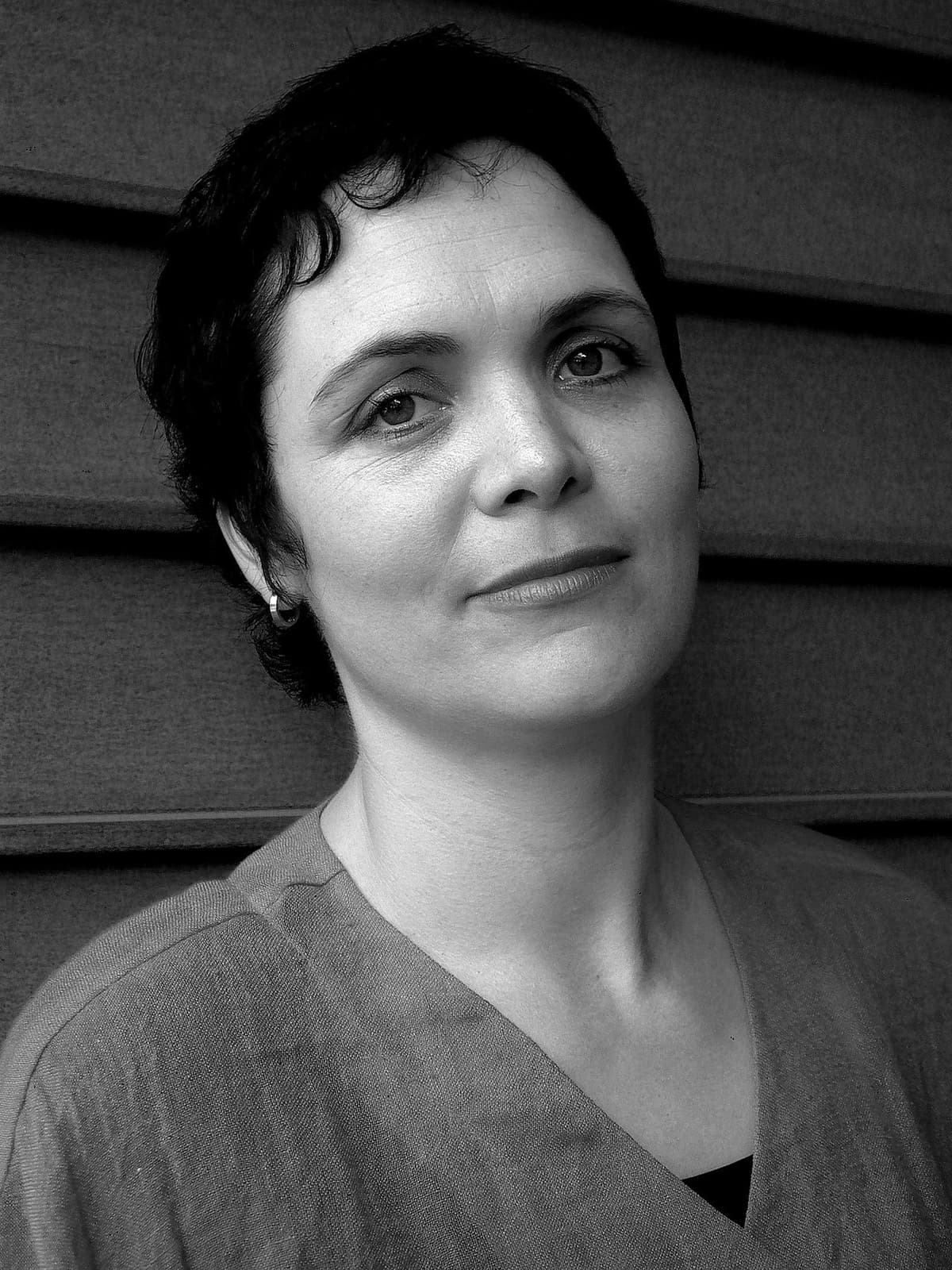
Tabea Zimmermann
Deep, woody viola tones that bridge the gap between melancholy and intellectual rigor. Masterful chamber music for moments of profound focus and quiet solitude.
Deep, woody viola tones that bridge the gap between melancholy and intellectual rigor. Masterful chamber music for moments of profound focus and quiet solitude.
Listening to Tabea Zimmermann is like entering a conversation with a very wise, very quiet friend who only speaks when they have something essential to say. The sound is defined by the unique, husky resonance of the viola, an instrument that sits right in the middle of the string family, offering a warmth that violins lack and a nimbleness that cellos can't quite match. Her playing is characterized by an incredible clarity of thought, where every note feels weighed and intentional.
What makes her truly distinctive is her fearlessness with modern repertoire. She doesn't just play the classics; she inhabits the complex, jagged landscapes of contemporary composers like Ligeti. There is a tactile quality to her recordings, where you can almost feel the friction of the bow against the string and the physical effort of the performance. It is music that demands your full attention but rewards it with a sense of deep, structural beauty.
For those new to her work, start with her solo recordings or the 'Cantilena' album. These tracks highlight her ability to hold a room with nothing but four strings and a bow. It is perfect for late-night reflection, deep work, or any time you need music that feels both emotionally grounded and intellectually stimulating.
Tabea Zimmermann (born 8 October 1966) is a German violist who has performed internationally, both as a soloist and a chamber musician. She has been artist in residence of the Concertgebouw Orchestra, the Berlin Philharmonic, and the Bavarian Radio Symphony Orchestra. In 2004, Zimmermann founded the Arcanto Quartet, a string quartet that performed until 2016. Several composers have written music for her, including György Ligeti (the Viola Sonata), and she has made her own version of Bartók's Viola Concerto from the composer's sketches. Zimmermann is a professor at the Frankfurt University of Music and Performing Arts and gives master classes at the Kronberg Academy and elsewhere. Her awards include the 2020 Ernst von Siemens Music Prize.
Cassette uses generative AI to enrich its catalog. How we use AI →

