Sybil represents the sophisticated intersection of late-80s soul and the burgeoning house music scene of the early 90s. Her sound is defined by a polished, high-energy production style that never sacrifices emotional depth. While many of her contemporaries leaned into the aggressive side of club music, Sybil maintained a velvet-smooth R&B core, characterized by her impeccable vocal control and gospel-inflected phrasing.
What truly sets her apart is her ability to reinterpret classic songwriting through a modern, rhythmic lens. Her collaborations with the Stock Aitken Waterman production powerhouse brought a distinct UK pop sensibility to her American R&B roots, resulting in tracks that feel both timeless and specifically evocative of a golden era in dance-pop. The music is bright, optimistic, and technically flawless, featuring lush synth pads and driving drum machine patterns.
For those new to her catalog, the 1993 album 'Good 'n' Ready' is the definitive starting point. It captures her at the peak of her commercial powers, blending soulful ballads with chart-topping house anthems. It is the perfect soundtrack for anyone who appreciates the craft of a true diva-house vocalist who can command a groove as easily as she can break a heart.
Sybil Ilona Lynch (born June 2, 1963), known mononymously as Sybil, is an American R&B and pop singer-songwriter. Sybil gained notable success in her career with songs during the mid-1980s into the mid-1990s. She is the cousin of En Vogue singer Maxine Jones.


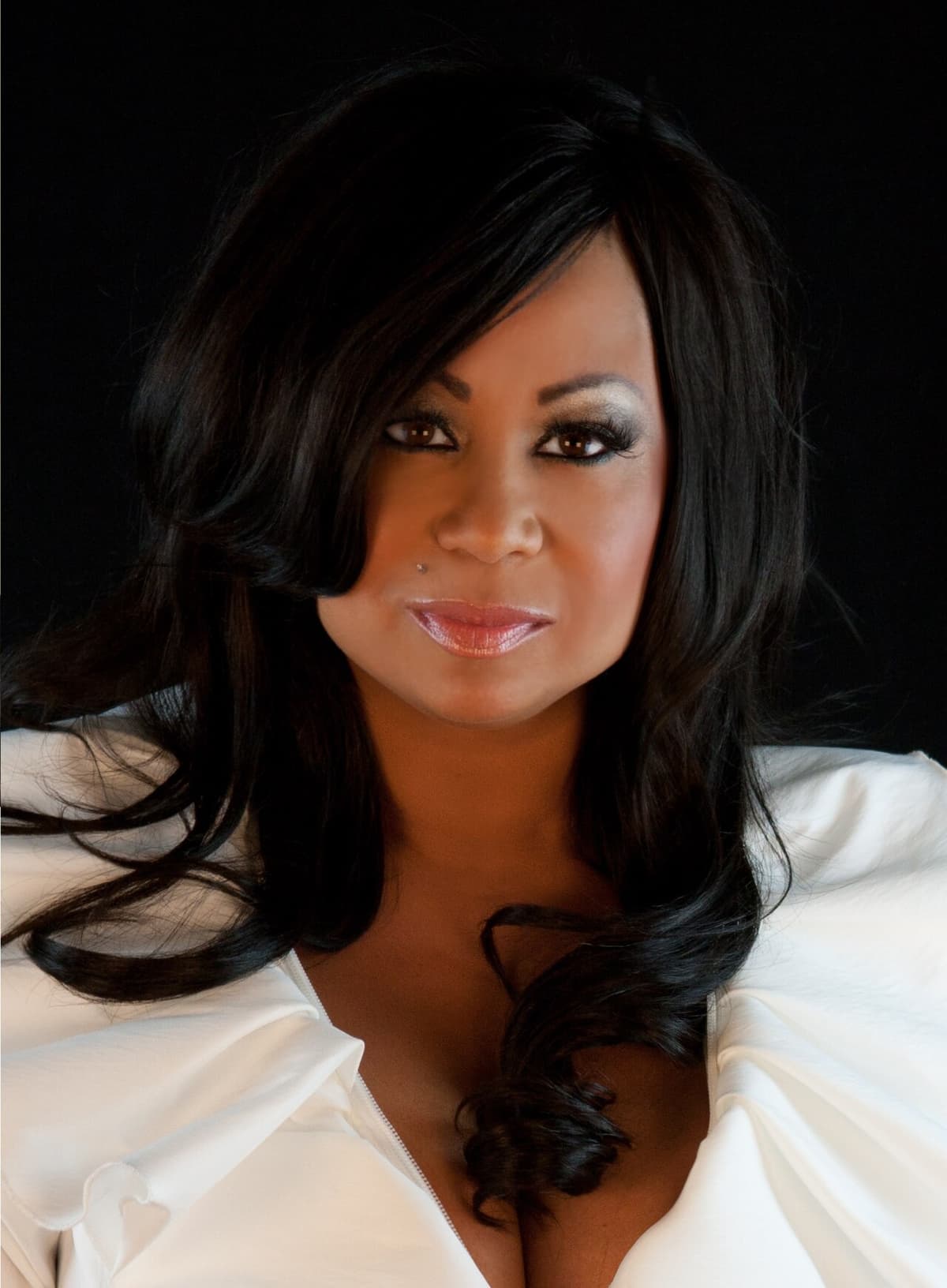
Shares house, belting, empowering, soul (signature)
Shares soulful, belting, soprano, empowering (signature)
Shares swingbeat rhythm section, belting, house, romantic (detail)
Shares house, uplifting, soprano, empowering (signature)
Shares house, soulful, empowering, dance-pop (signature)



Shares house, soprano, empowering, soul (signature)
Cassette uses generative AI to enrich its catalog. How we use AI →