Spookyghostboy sounds like the quietest corner of a house at 3 AM. It is music built from the smallest possible components: a softly strummed ukulele, a voice that rarely rises above a whisper, and the comforting hiss of a home recording. There is a skeletal beauty to the arrangements that makes every lyrical confession feel like it is being whispered directly into your ear, bypassing the room entirely.
What sets Austin Thomas apart is the 'ghost-pop' aesthetic. While many bedroom artists aim for a generic lo-fi chill, this project leans into the haunting quality of isolation. The production often features subtle, eerie reverb and a sense of physical space that makes the listener feel the walls of the room where the songs were born. It is melancholic but never aggressive, preferring to sit with sadness rather than fight it.
Start with the album 'Twenty Something' to hear the project at its most refined. It captures the specific, drifting anxiety of young adulthood through delicate melodies and surprisingly sharp observational lyrics. It is the perfect companion for anyone who finds comfort in the quiet, slightly spooky side of indie folk.


Shares whispered double-tracked vocals, whispered, wistful, bedroom production (detail)
Shares whispered double-tracked vocals, whispered, wistful, bedroom production (detail)
Shares hissing tape floor noise, whispered, lonely, bedroom production (detail)
Shares hissing tape floor noise, whispered, lonely, bedroom production (detail)
Shares lonely, wistful, chamber folk, cabin in woods (mood)
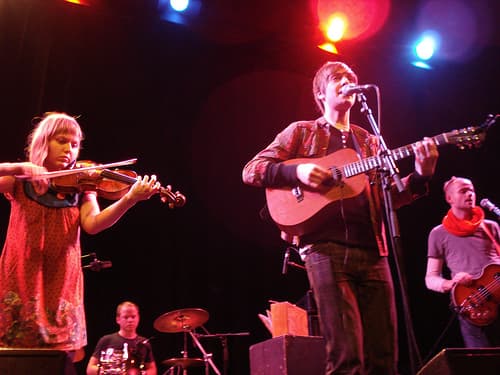
Shares whispered, chamber folk, cabin in woods, lo-fi hip-hop (signature)
Shares whispered, lonely, chamber folk, cabin in woods (signature)
Shares wistful, bedroom production, chamber folk, indie folk (signature)
Shares hissing tape floor noise, cabin in woods, lo-fi hip-hop, winter (detail)
Cassette uses generative AI to enrich its catalog. How we use AI →