Sordid Pink sounds like a high-definition collision between Top 40 pop sensibilities and the technical brutality of modern progressive metal. The music is characterized by Aleksandra Djelmash's soaring, elastic vocals that dance over David Maxim Micic's signature 'bouncy' guitar work. It is a sound that feels incredibly expensive and polished, shimmering with digital clarity while maintaining a heavy, rhythmic backbone that demands movement.
What truly sets them apart is the lack of traditional metal gloom. Instead, they embrace a vibrant, almost neon aesthetic where complex polyrhythms and low-tuned staccato riffs serve as the foundation for infectious, radio-ready hooks. The production is maximalist and punchy, treating the guitar like a percussion instrument and the voice like a lead synth, resulting in a sound that is as much 'dance' as it is 'djent'.
Start with their self-titled 2020 album to experience the full evolution of their sound. It captures the perfect balance of their technical proficiency and their newfound pop-focused songwriting. It is the ideal entry point for anyone who loves the complexity of progressive metal but craves the dopamine hit of a great pop chorus.


Shares djent, progressive metal, digital clarity, playful (signature)
Shares djent, progressive metal, belting, digital clarity (signature)
Shares djent, progressive metal, digital clarity, playful (signature)
Shares djent, progressive metal, belting, digital clarity (signature)
Shares djent, progressive metal, belting, digital clarity (subgenre)
Shares djent, progressive metal, digital clarity, alternative metal (signature)
Shares djent, digital clarity, alternative metal, belting (signature)
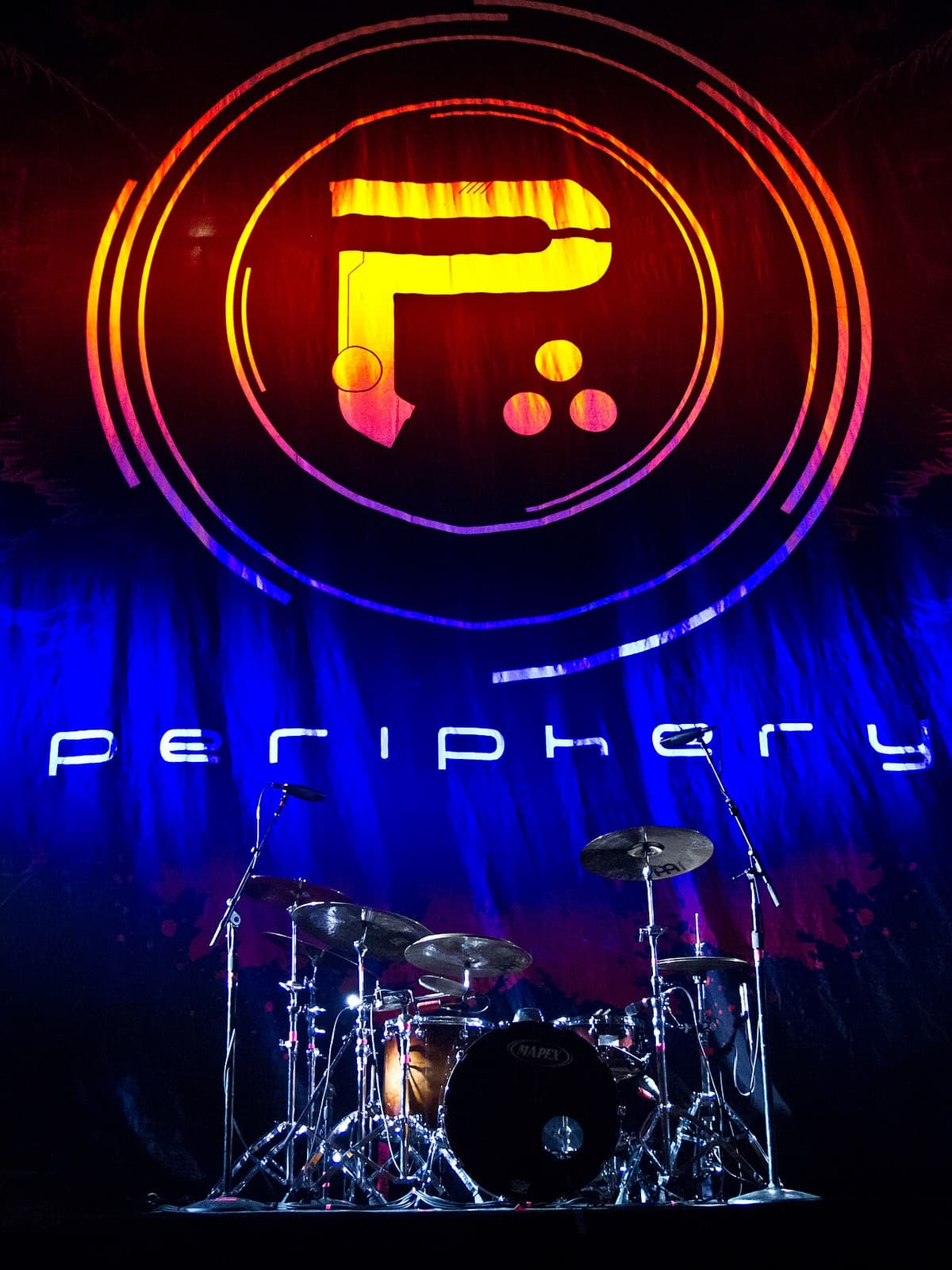
Shares djent, progressive metal, digital clarity, alternative metal (signature)
Shares djent, digital clarity, alternative metal, belting (signature)
Cassette uses generative AI to enrich its catalog. How we use AI →