Soft Machine
Fuzzed-out organ explorations and intricate jazz-rock rhythms. A masterclass in technical curiosity and British avant-garde cool for deep, focused listening sessions.
Fuzzed-out organ explorations and intricate jazz-rock rhythms. A masterclass in technical curiosity and British avant-garde cool for deep, focused listening sessions.
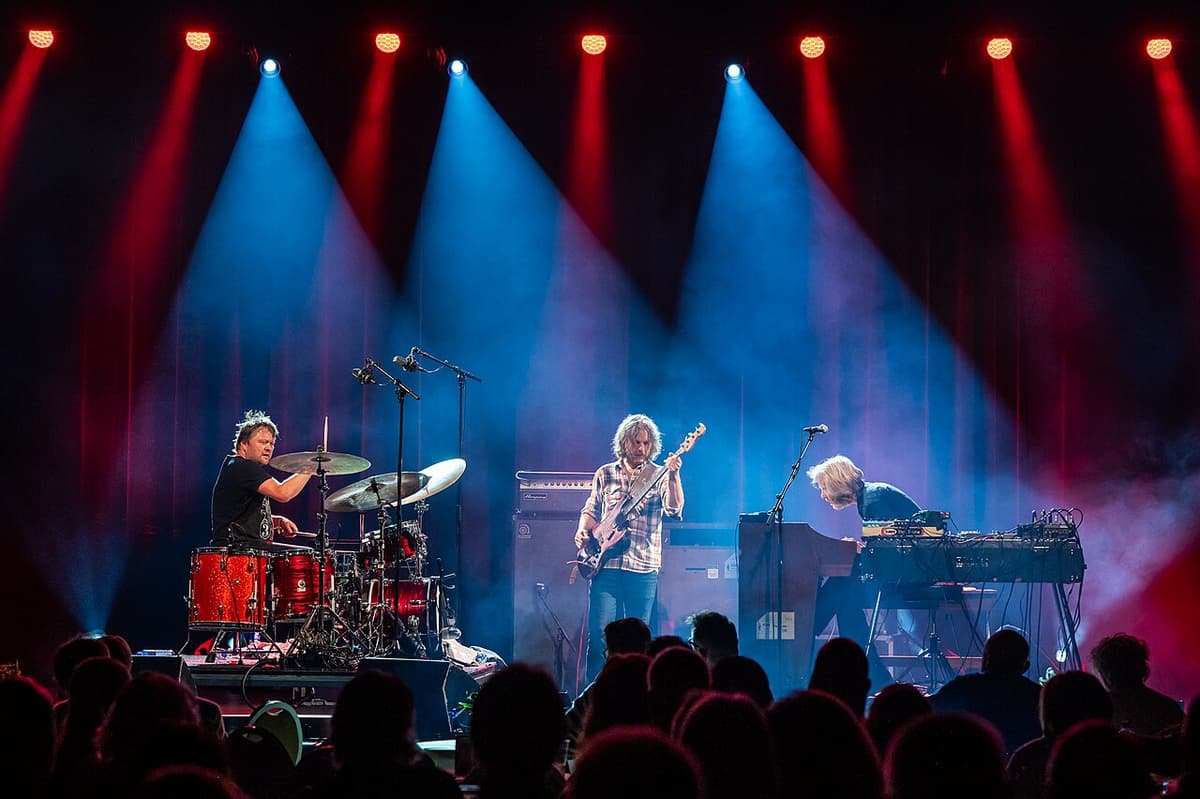
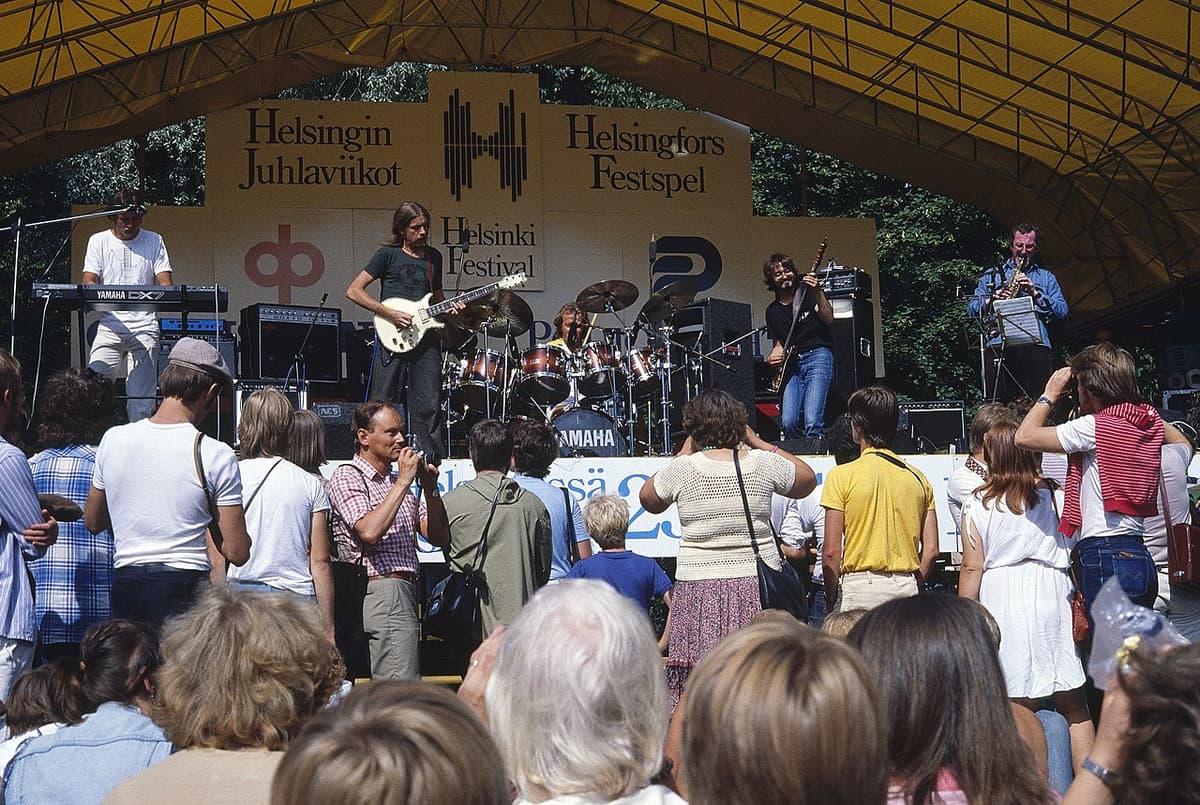
Soft Machine stands as the foundational pillar of the Canterbury Scene, a loose collective of British musicians who blended jazz, rock, and avant-garde sensibilities. Formed in 1966, their trajectory is one of the most drastic in rock history, moving from the whimsical, vocal-led psychedelia of Robert Wyatt and Kevin Ayers to the rigorous, purely instrumental jazz-fusion of the Karl Jenkins era.
Their early work was characterized by surrealist lyrics and tape-loop experimentation, influenced heavily by the Dada movement and William S. Burroughs. By the early 1970s, particularly on the landmark double album 'Third', they shifted toward long-form compositions that utilized minimalist repetition and free-jazz improvisation. The band became a revolving door for virtuosos, including bassist Hugh Hopper and guitarist Allan Holdsworth, the latter of whom brought a high-velocity legato style that influenced generations of fusion players. Critical consensus views them as essential innovators who proved that 'progressive' music could be intellectually demanding without losing its rhythmic drive. They remain a primary influence on modern math-rock, neo-prog, and contemporary jazz-fusion.
Cassette uses generative AI to enrich its catalog. How we use AI →