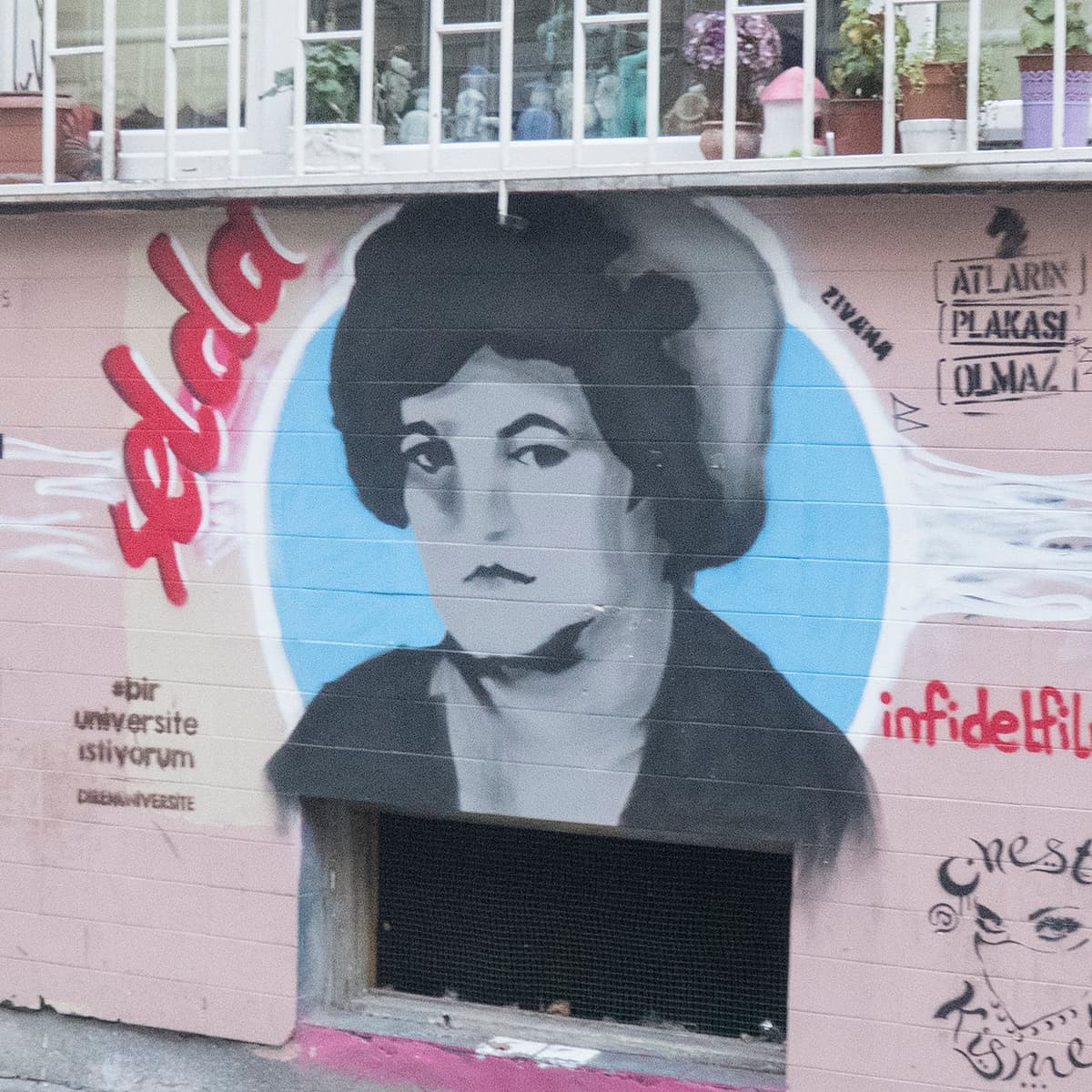
Selda Bağcan
Gritty Anatolian psych-rock and heavy folk-funk led by a voice of pure, defiant fire. Raw, political, and deeply hypnotic music for the restless soul.
Gritty Anatolian psych-rock and heavy folk-funk led by a voice of pure, defiant fire. Raw, political, and deeply hypnotic music for the restless soul.
Selda Bağcan sounds like the intersection of a dusty village square and a smoke-filled psychedelic club. Her music is defined by a heavy, analog grit where traditional Turkish instruments like the bağlama are plugged into fuzz boxes and wah-wah pedals. The rhythm section often leans into a deep, syncopated funk that feels both ancient and futuristic, creating a hypnotic bed for her extraordinary voice. It is music that carries the weight of history and the heat of immediate rebellion.
What makes Selda truly distinctive is the sheer intensity of her vocal delivery. She possesses a piercing, high-register vibrato that cuts through dense arrangements of Moog synthesizers and distorted guitars. Unlike her contemporaries in the Anatolian rock scene, her work often feels more raw and uncompromising, blending the melancholic beauty of folk poetry with the aggressive sonic textures of 1970s experimental rock. There is a specific tension in her sound between the organic warmth of the folk tradition and the jagged edges of electronic innovation.
To experience the height of her powers, start with her self-titled 1976 album (often referred to as Selda). It captures the perfect balance of her political songwriting and the psychedelic-funk arrangements that have made her a cult icon for crate-diggers and hip-hop producers alike. It is the sound of an artist who refused to be silenced, even when the political climate turned against her, making every note feel like an act of survival.
Havva Selda Bağcan (IPA: [ˈsælda ˈbaːdʒan]; born December 14, 1948) is a Turkish folk singer-songwriter, guitarist, and music producer.
Cassette uses generative AI to enrich its catalog. How we use AI →


