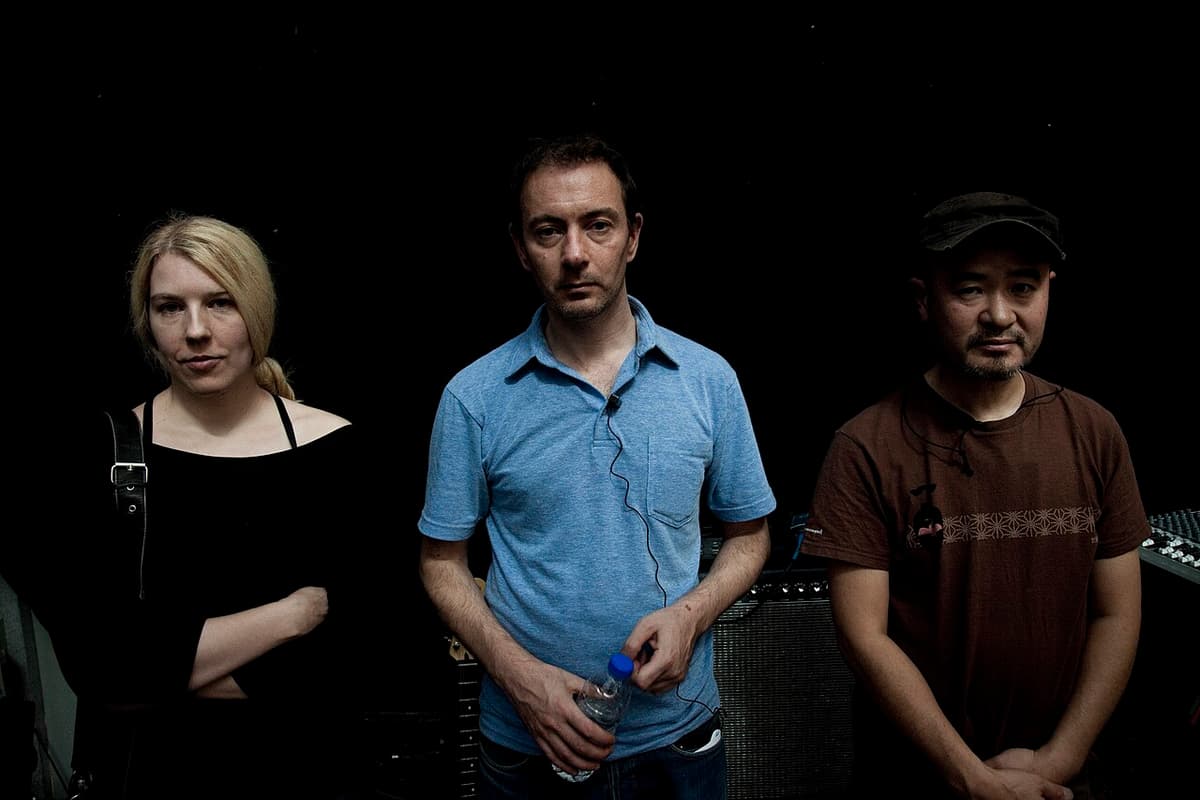
Seefeel
Submerged guitar textures and pulsing dub rhythms that blur the line between shoegaze and ambient techno. Hypnotic, liquid, and deeply immersive.
Submerged guitar textures and pulsing dub rhythms that blur the line between shoegaze and ambient techno. Hypnotic, liquid, and deeply immersive.
Seefeel sounds like a rock band being slowly dissolved in a vat of digital coolant. The guitars don't chime or roar; they ripple and hum like heavy machinery heard through a thick fog. Sarah Peacock's vocals are less about melody and more about breath, acting as a soft, human counterpoint to the precise, clinical pulse of the drum programming and the deep, seismic weight of the dub-influenced basslines.
What makes them truly distinctive is their early 90s alchemy of 'wet' and 'dry' sounds. While their shoegaze peers were piling on pedals to create walls of noise, Seefeel used studio processing to create space. They treat the guitar as a pure sound source for granular manipulation, resulting in a rhythmic, looping aesthetic that feels more like a living organism than a standard electronic composition.
Start with Quique for the ultimate introduction to their 'liquid' sound. It is a landmark of 90s experimental music that manages to be both intellectually rigorous and deeply soothing. From there, move to the Ch-Vox era for a darker, more skeletal exploration of their unique sonic architecture.
Seefeel is a British electronic and post-rock band formed in the early 1990s by Mark Clifford (guitar, programming), Daren Seymour (bass), Justin Fletcher (drums, programming), and Sarah Peacock (vocals, guitar). Their work became known for fusing guitar-based shoegaze with the production techniques of ambient techno and electronica. Initially forming as a more conventional rock band, Seefeel soon embraced electronic production and gained recognition for their 1993 debut EP More Like Space and first album Quique (1993), both on the British independent label Too Pure. The band subsequently released music on electronic labels Warp Records and Rephlex, and then went on an extended hiatus in 1997, with members pursuing the side-projects Scala and Disjecta. Following the reissue of Quique in 2007, Clifford and Peacock relaunched Seefeel and were joined by Shigeru Ishihara (DJ Scotch Egg) on bass, and former Boredoms drummer Iida Kazuhisa (E-Da). In 2010 they released the Faults EP (their first new recording in 14 years) followed shortly after by an eponymous LP in 2011, both on Warp.
Shares reverb heavy, layered dense, digital clarity (production style); breathy, ethereal, whispered (vocal style)
Shares dreamy, mysterious, contemplative (moods); breathy, ethereal, whispered (vocal style)
Shares reverb heavy, layered dense, sample based (production style); mysterious, contemplative, dreamy (moods)
Shares shoegaze, ambient techno, dream pop (subgenres); reverb heavy, layered dense, digital clarity (production style)
Shares underwater, late night, fog (atmosphere); reverb heavy, layered dense, digital clarity (production style)
Shares reverb heavy, layered dense, digital clarity (production style); underwater, late night, fog (atmosphere)
Shares dreamy, mysterious, contemplative (moods); underwater, late night, fog (atmosphere)
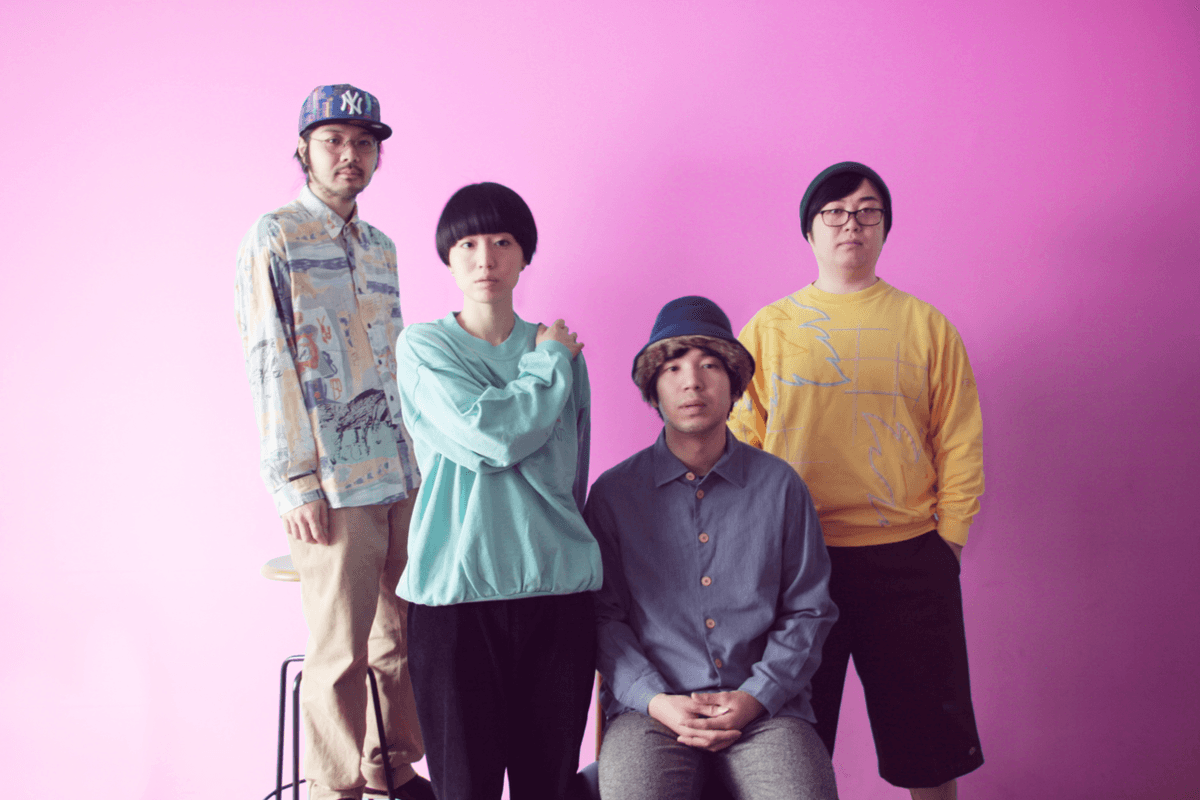
Shares dreamy, mysterious, contemplative (moods); reverb heavy, layered dense, digital clarity (production style)
Shares dreamy, mysterious, contemplative (moods); breathy, ethereal, whispered (vocal style)
Shares dreamy, mysterious, contemplative (moods); ambient techno, shoegaze, dream pop (subgenres)
Shares ambient techno, voice as instrument, shoegaze, liquid (signature)
Shares ambient techno, idm, voice as instrument, liquid (signature)
Cassette uses generative AI to enrich its catalog. How we use AI →


