This is the sound of a city at night, illuminated by flickering neon and the soft glow of a dashboard. It sits at the intersection of synth-pop and the emerging freestyle movement of the late 80s, defined by crisp drum machine patterns and lush, minor-key synthesizer pads. The music carries a distinct sense of longing, as if every note is searching for a connection that just slipped away.
What makes Secret Society stand out is the marriage of danceable, syncopated rhythms with deeply melancholic melodies. While the beats are sharp and designed for movement, the vocal delivery is often soft and vulnerable, creating a tension between the club-ready production and the bedroom-confessional lyrics. It avoids the neon-bright optimism of mainstream 80s pop in favor of a moodier, more atmospheric aesthetic.
Start with 'Too Blind to See' to hear their signature blend of rhythmic urgency and emotional weight. It is an essential listen for anyone who loves the intersection of electronic dance music and heartfelt songwriting, particularly those who find beauty in the lonely hours of the night.

Shares synth-pop, dance-pop (subgenres); drum machine, analog warmth, reverb heavy (production style)
Shares synth-pop, dance-pop (subgenres); drum machine, analog warmth, reverb heavy (production style)
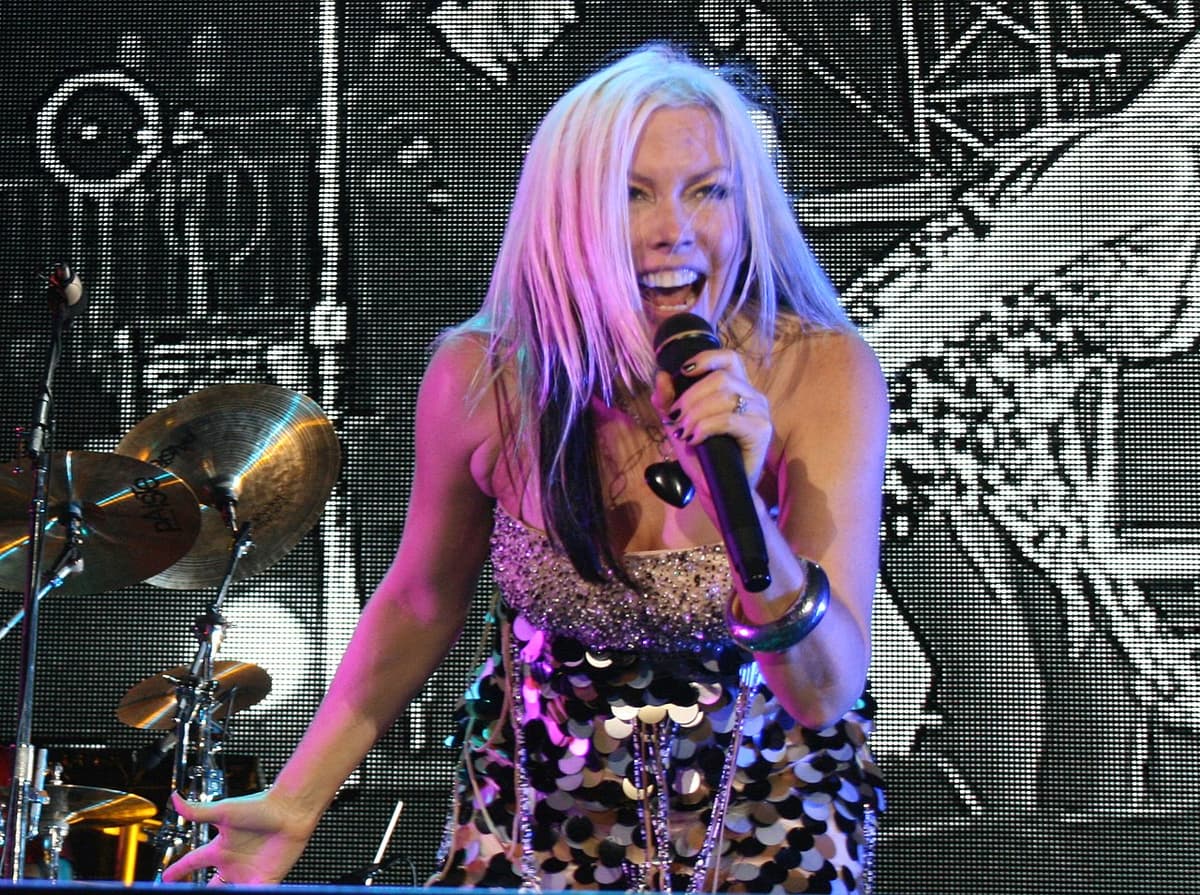
Shares drum machine, analog warmth, reverb heavy (production style); melancholic, nostalgic, romantic (moods)
Shares melancholic, nostalgic, romantic (moods); drum machine, analog warmth, reverb heavy (production style)
Shares synth-pop, dance-pop (subgenres); melancholic, nostalgic, romantic (moods)
Shares drum machine, analog warmth, reverb heavy (production style); urban night, late night (atmosphere)
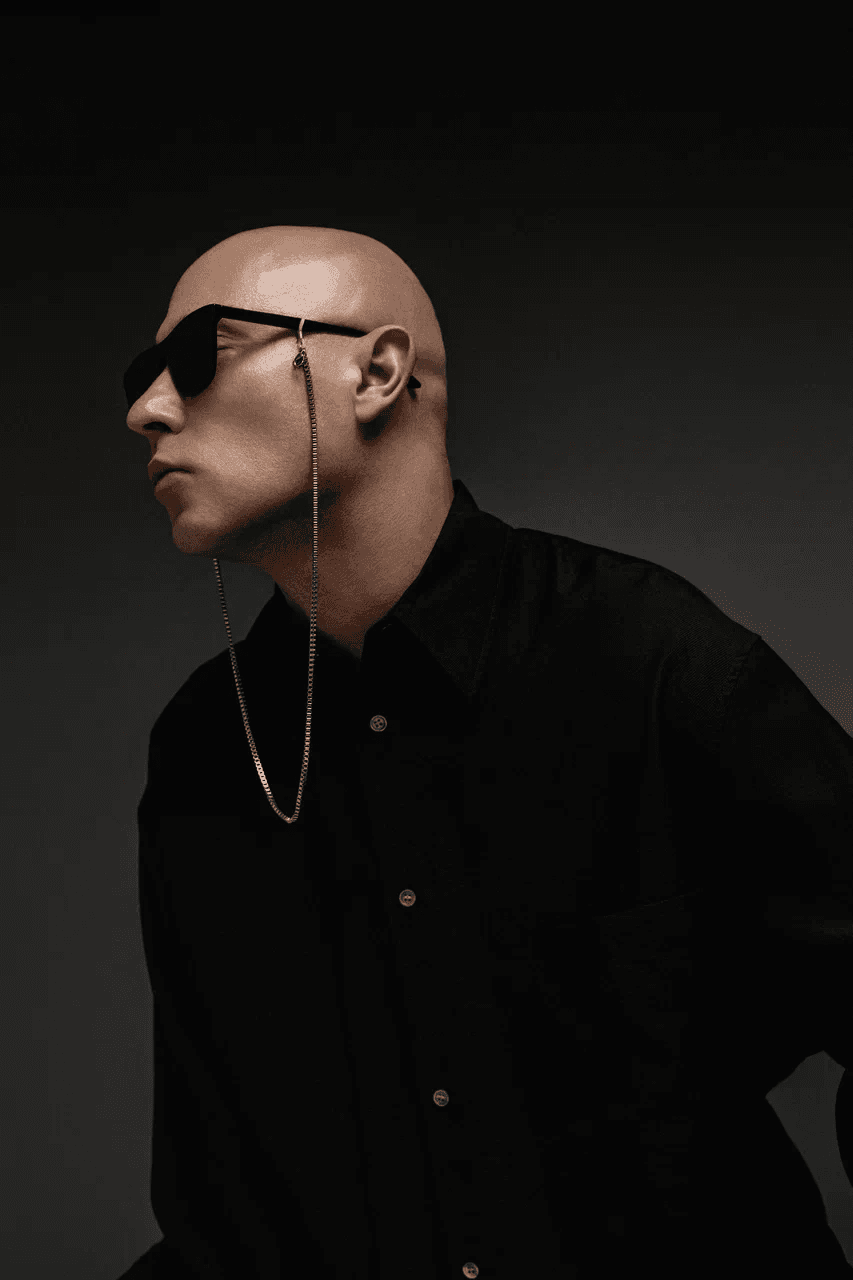
Shares synth-pop, dance-pop (subgenres); melancholic, nostalgic, romantic (moods)
Shares yearning, freestyle, romantic, dance-pop (signature)
Cassette uses generative AI to enrich its catalog. How we use AI →