
Sean Banan
High-octane Swedish comedy pop that pairs relentless Eurodance beats with absurdist humor. Loud, neon-soaked, and completely unbothered by good taste.
High-octane Swedish comedy pop that pairs relentless Eurodance beats with absurdist humor. Loud, neon-soaked, and completely unbothered by good taste.
Sean Banan is the sonic equivalent of a cartoon character coming to life in a Swedish nightclub. The music is defined by its hyper-compressed, high-energy Eurodance production, featuring bright synths and pounding 4-on-the-floor rhythms that demand immediate physical movement. It is relentless, colorful, and unapologetically loud.
What truly distinguishes the sound is the intersection of professional dance-pop polish and slapstick comedy. Sean utilizes a nasal, exaggerated vocal delivery that blurs the line between rapping and chanting, often punctuating tracks with catchphrases and sound effects. The arrangements are maximalist, designed for the massive stages of Melodifestivalen, where visual spectacle and auditory hooks collide.
New listeners should dive into 'Copacabanana' or 'Sean den förste Banan' to experience the peak of his cultural impact. These tracks represent the quintessential 'Banan' experience: a mix of Latin-influenced dance rhythms, Swedish wordplay, and a level of self-aware absurdity that turned a comedian into a legitimate chart-topping pop force.
Sina Samadi (born 7 April 1985), known by his stage name Sean Banan ("Sean Banana") is an Iranian-Swedish comedian and musician. His family immigrated to Sweden when he was 2 years old and resided in Gothenburg. Samadi took lessons in rumba, flamenco, rock, cha-cha-cha, ballet and street dance. He then worked as a choreographer and dance instructor. In 2006, he appeared on TV3's now defunct dance programme Floor Filler. He became an immediate internet phenomenon after appearing in an interview in 2007 after answering some questions about his preferences and said he preferred rumpa (buttocks) to breasts. Rumpa became a catch phrase he would use in many of his future gigs. He played a travelling reporter in the 2010, comedy television show Cirkus Möller that aired on TV4. The same year he took part in the Kanal 5's programme Djävulsrallyt in its third series. His 2010 single "Skaka Rumpa" was released on 16 June 2010, and entered the Swedish Singles Chart at No. 13 in its first week, topping at No. 8 the following week. Samadi took part in Melodifestivalen 2012, with "Sean den förste Banan" that passed the Semi-final stage, but was eliminated in the "Second Chance" round without reaching the finals. But despite this, the song proved very popular reaching number 3 on Sverigetopplistan, the official Swedish Singles Chart. In Melodifestivalen 2013, he took part with "Copacabanana". After performing in the semi-final in Scandinavium, Gothenburg, he came 1st and qualified directly to the final, where he finished in 6th place. Samadi's first film Sean Banan inuti Seanfrika was released in 2012, and was panned by critics.
Shares dance-pop, eurodance, electropop (subgenres); studio polished, maximalist, digital clarity (production style)
Shares dance-pop, eurodance, electropop (subgenres); playful, joyful, energetic (moods)
Shares dance-pop, eurodance, electropop (subgenres); studio polished, maximalist, digital clarity (production style)
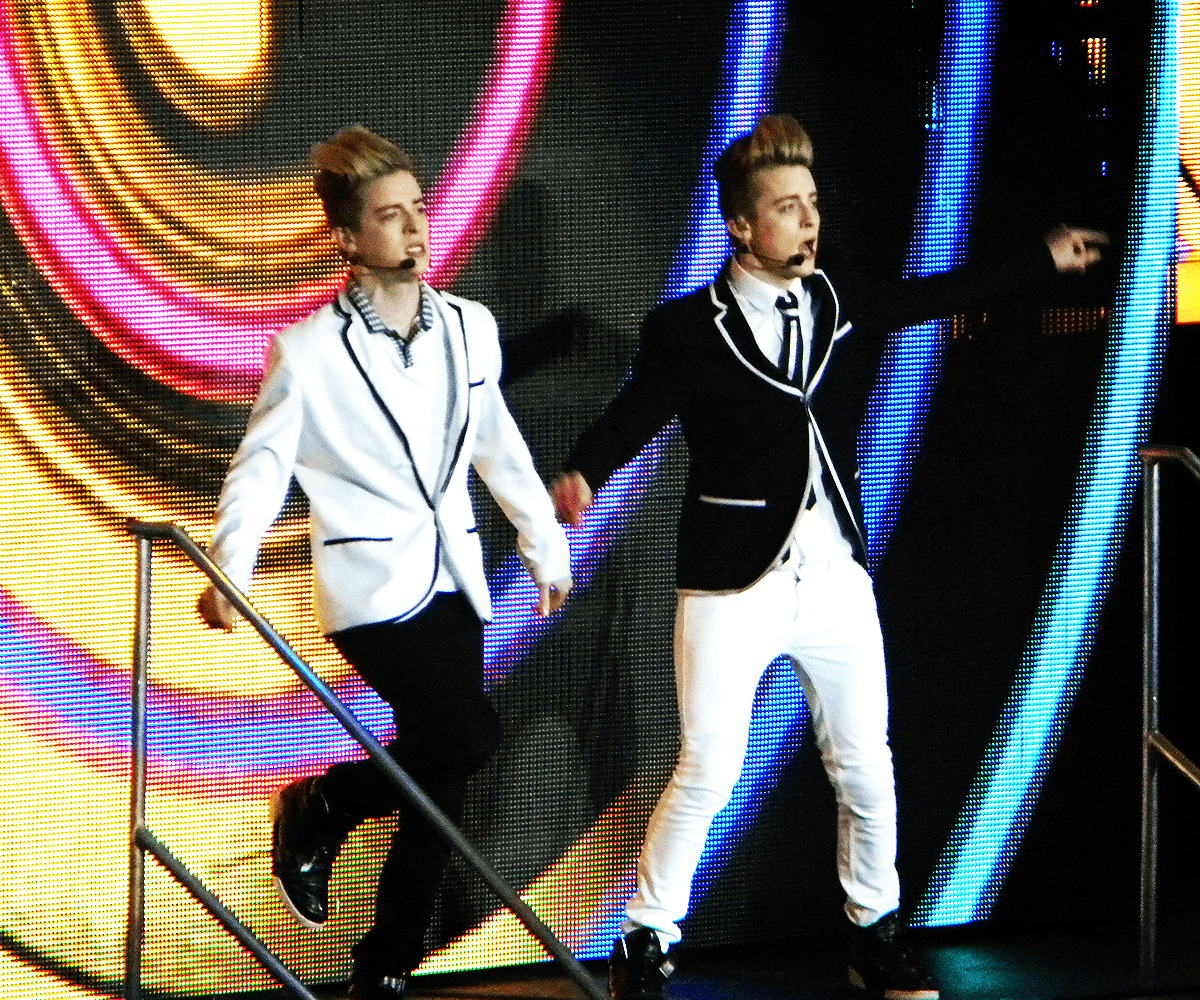
Shares dance-pop, eurodance, electropop (subgenres); studio polished, maximalist, digital clarity (production style)
Shares dance-pop, eurodance, electropop (subgenres); studio polished, maximalist, digital clarity (production style)
Shares studio polished, maximalist, digital clarity (production style); dance-pop, eurodance, electropop (subgenres)
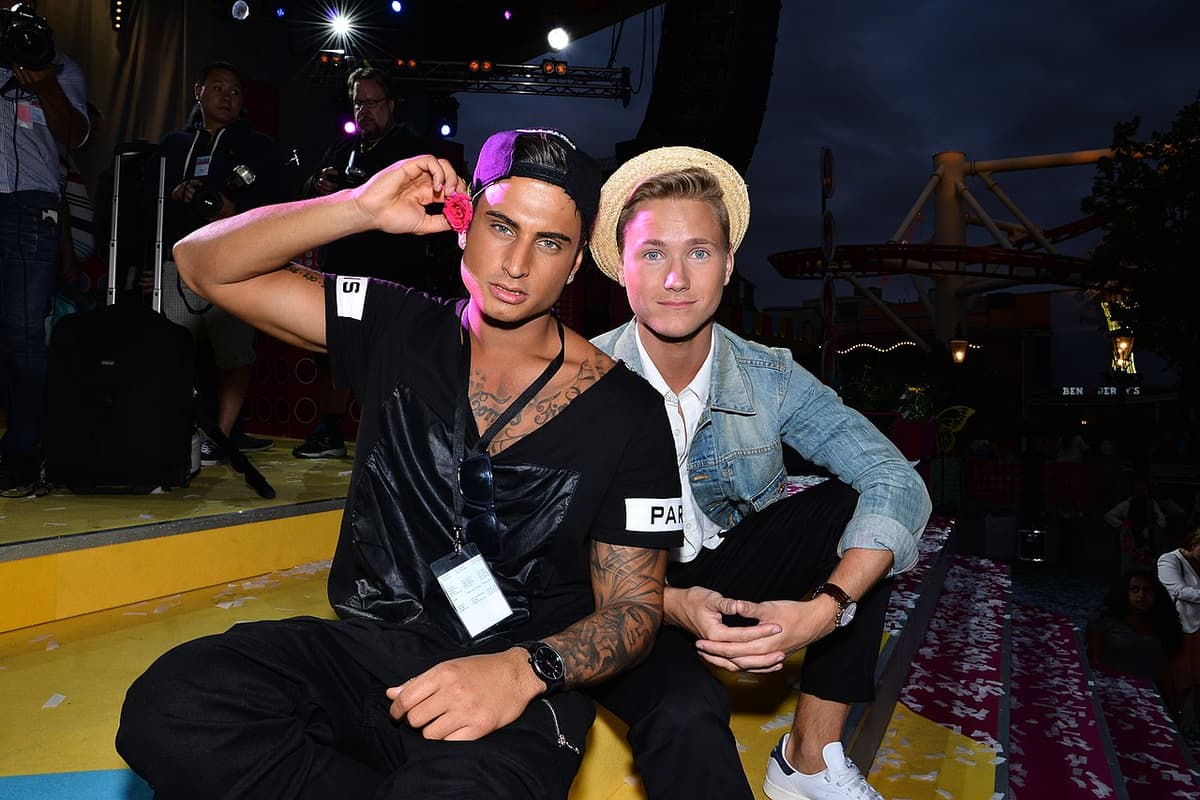
Shares dance-pop, electropop (subgenres); studio polished, maximalist, digital clarity (production style)
Shares studio polished, maximalist, digital clarity (production style); joyful, energetic, playful (moods)
Shares studio polished, maximalist, digital clarity (production style); dance-pop, electropop (subgenres)
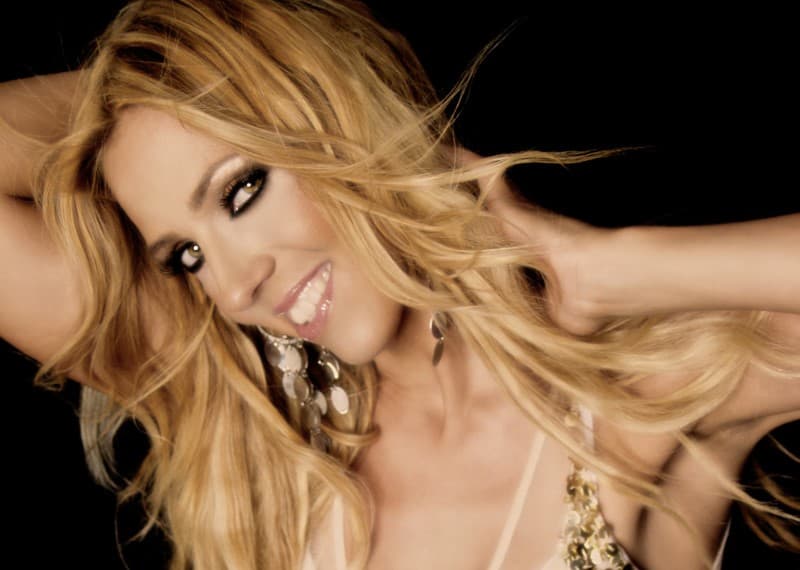
Shares dance-pop, eurodance, electropop (subgenres); studio polished, maximalist, digital clarity (production style)
Shares comedy, eurodance, electropop, dance-pop (signature)
Cassette uses generative AI to enrich its catalog. How we use AI →


