Sadness creates a sound that feels like being submerged in a warm, glowing ocean of static. It is undeniably heavy, utilizing the blast beats and harsh shrieks of black metal, but the emotional core is pure, unadulterated yearning. The guitars don't just distort; they shimmer and bloom, creating a wall of sound that feels more like a protective embrace than an assault. It is music that captures the specific ache of 'saudade' - a deep emotional state of nostalgic longing for something or someone that one cares for and loves.
What truly distinguishes the project is its fearless embrace of beauty. While many black metal acts lean into the cold or the occult, Sadness leans into the pastel. The melodies are often bright and major-key, clashing against the desperate, distant vocals to create a sense of bittersweet triumph. The production is often hazy and dream-like, blurring the lines between shoegaze, post-rock, and extreme metal until they become a single, vibrating entity.
For those new to the project, 'I Want to Be There' is the essential starting point. It perfectly encapsulates the transition from depressive roots to the expansive, light-filled blackgaze that has made the project a cult favorite. It is the ideal soundtrack for moments of solitary reflection or when you simply need to feel the weight of your own emotions amplified through a thousand reverb pedals.


Shares post-metal, buried in mix, shoegaze, cathartic (subgenre)
Shares post-metal, buried in mix, shoegaze, haunting (subgenre)
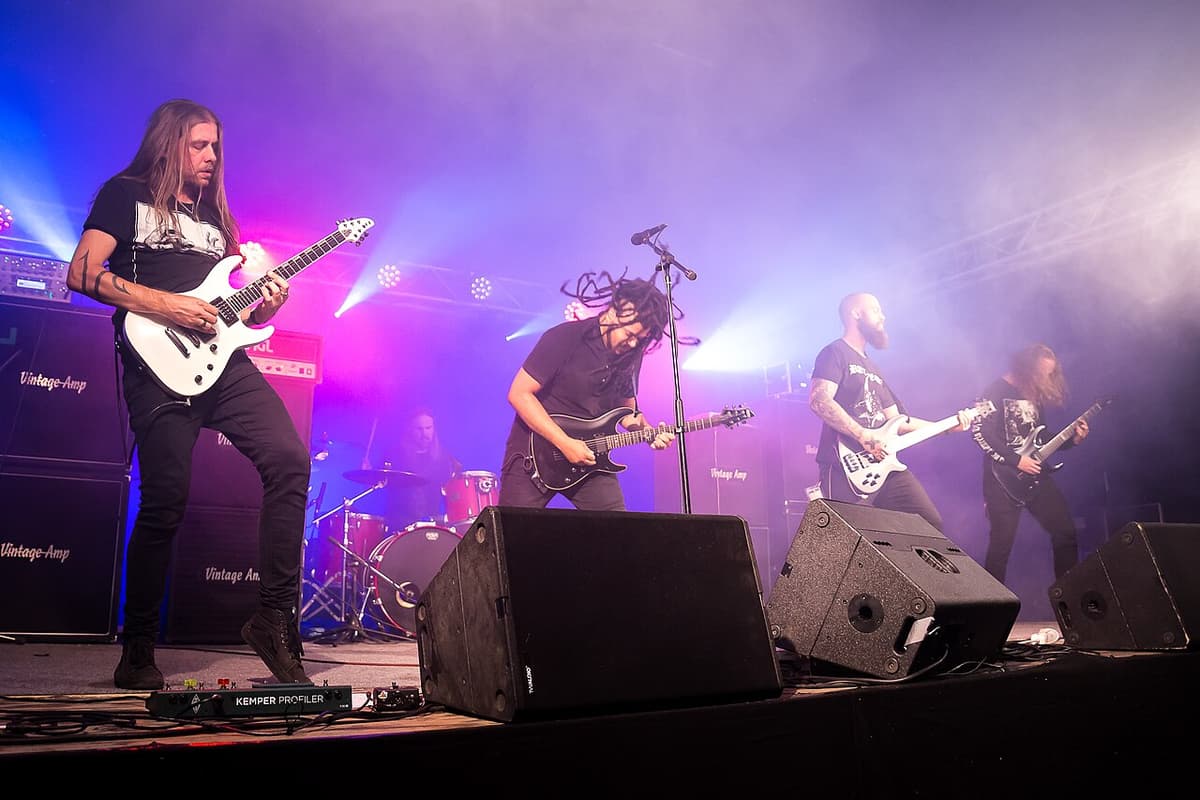
Shares post-metal, buried in mix, shoegaze, cathartic (subgenre)
Shares post-metal, shoegaze, dream pop, haunting (subgenre)
Shares post-metal, shoegaze, haunting, forest (subgenre)
Shares post-metal, buried in mix, shoegaze, dream pop (subgenre)
Shares distant shrieks in reverb, post-metal, buried in mix, haunting (detail)

Cassette uses generative AI to enrich its catalog. How we use AI →