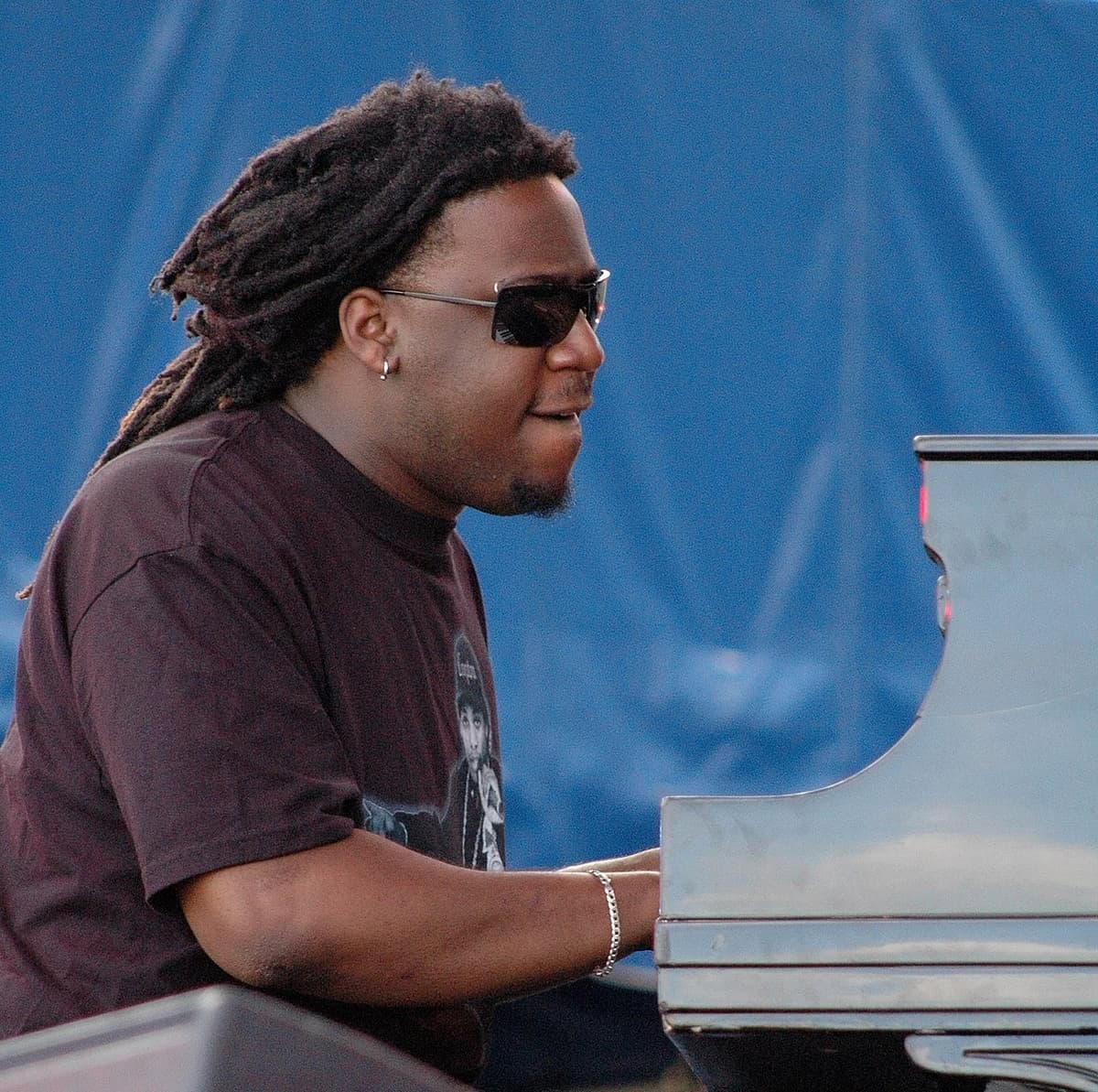
Robert Glasper
Silky piano melodies meeting the heavy, unhurried pocket of hip-hop. Sophisticated jazz that feels like a late-night conversation in a velvet-lined lounge.
Silky piano melodies meeting the heavy, unhurried pocket of hip-hop. Sophisticated jazz that feels like a late-night conversation in a velvet-lined lounge.
Robert Glasper is a pivotal figure in 21st-century music, credited with bridging the widening gap between jazz and contemporary Black popular music. Raised in a gospel and blues environment in Houston, his formal training at the New School in New York allowed him to master the post-bop idiom before pivoting to integrate the rhythmic innovations of J Dilla and the Soulquarians movement.
His career arc moved from traditional jazz trio recordings on Blue Note to the culture-shifting Black Radio series, which won the Grammy for Best R&B Album and signaled a new era of 'progressive jazz' that embraces R&B, hip-hop, and social commentary. Glasper's influence is vast; he was a key contributor to Kendrick Lamar's To Pimp a Butterfly, helping define the jazz-rap aesthetic of the 2010s. Critical consensus views him as a visionary who saved jazz from academic stagnation by reconnecting it to the dance floor and the street. His work as a producer and sideman for artists like Maxwell, Erykah Badu, and Common further cements his role as a central node in the modern soul and hip-hop ecosystem.
Cassette uses generative AI to enrich its catalog. How we use AI →