This is progressive rock with the dirt left on. While their contemporaries were building polished cathedrals of sound, Riff Raff was in the basement, sweating through complex polyrhythms and jagged jazz-inflected riffs. It sounds like a high-stakes conversation between a Hammond organ and a brass section, held together by a rhythm section that refuses to play it straight. There is a palpable sense of live energy here, a feeling that the tape was rolling while the band was truly pushing each other.
What sets them apart is the 'Afro-jazz' influence and the dual-drummer foundation of their early material. It gives the music a physical, propulsive weight that many 'heady' prog bands lacked. It is less about whimsical fantasy and more about the technical thrill of fusion, blending the improvisational freedom of Miles Davis with the hard-edged bite of early 70s British rock. The textures are warm, analog, and occasionally abrasive in the best way possible.
Start with their self-titled 1973 debut to hear the band at their most cohesive, or dive into 'Outside Looking In' to experience the raw, experimental origins of their dual-drummer concept. It is essential listening for anyone who thinks progressive rock is too polite.
Riff Raff was British progressive rock band formed in 1972, led by keyboardist Tommy Eyre.


Shares progressive rock, jazz fusion, art rock (subgenres); restless, mysterious, intense (moods)
Shares progressive rock, jazz fusion, art rock (subgenres); live recording, analog warmth, dynamic range (production style)
Shares progressive rock, jazz fusion, art rock (subgenres); live recording, analog warmth, dynamic range (production style)
Shares progressive rock, jazz fusion, art rock (subgenres); analog warmth, live recording, dynamic range (production style)
Shares progressive rock, jazz fusion, art rock (subgenres); analog warmth, live recording, dry intimate (production style)
Shares progressive rock, jazz fusion, art rock (subgenres); live recording, dynamic range, analog warmth (production style)
Shares live recording, analog warmth, dynamic range (production style); baritone, raw, intense (vocal style)
Shares progressive rock, jazz fusion, art rock (subgenres); live recording, analog warmth, dynamic range (production style)
Shares jazz fusion, progressive rock, art rock (subgenres); analog warmth, live recording, dynamic range (production style)
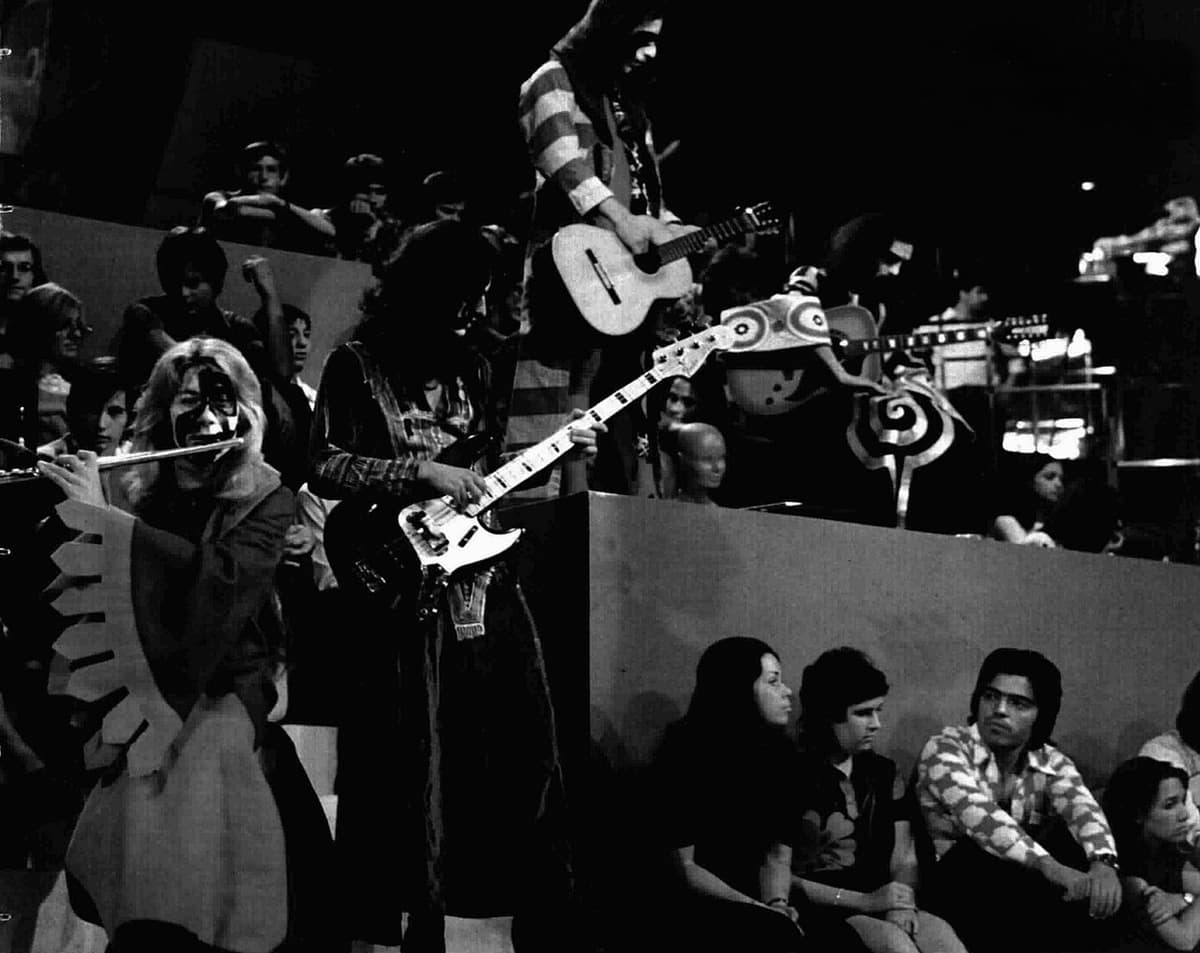
Shares jazz fusion, drums, progressive rock, dynamic range (signature)
Cassette uses generative AI to enrich its catalog. How we use AI →