Ratcat sounds like the exact moment a garage band discovers a perfect pop hook buried under a mountain of guitar distortion. It is music that feels inherently Australian: sun-bleached, unpretentious, and slightly scuzzy around the edges. There is a distinct '90s alternative crunch to their sound, but it is balanced by Simon Day's often gentle, almost conversational vocal delivery that makes even their noisier tracks feel intimate and accessible.
What truly sets them apart is the 'Tingles' factor, a specific blend of horror-inflected imagery and sugary-sweet songwriting. They managed to bridge the gap between the underground Sydney skate-punk scene and mainstream pop charts without losing their grit. The guitars are thick and fuzzy, reminiscent of early Dinosaur Jr. or The Jesus and Mary Chain, but the song structures are pure 1960s power pop, creating a tension that is both catchy and slightly subversive.
For the uninitiated, the 1991 album 'Blind Love' is the essential starting point. It captures the band at their commercial and creative peak, featuring the massive hits that defined a generation of Australian alternative music. It is an ideal soundtrack for anyone who loves the intersection of melody and noise, or those looking to capture the specific energy of a Sydney summer in the early nineties.
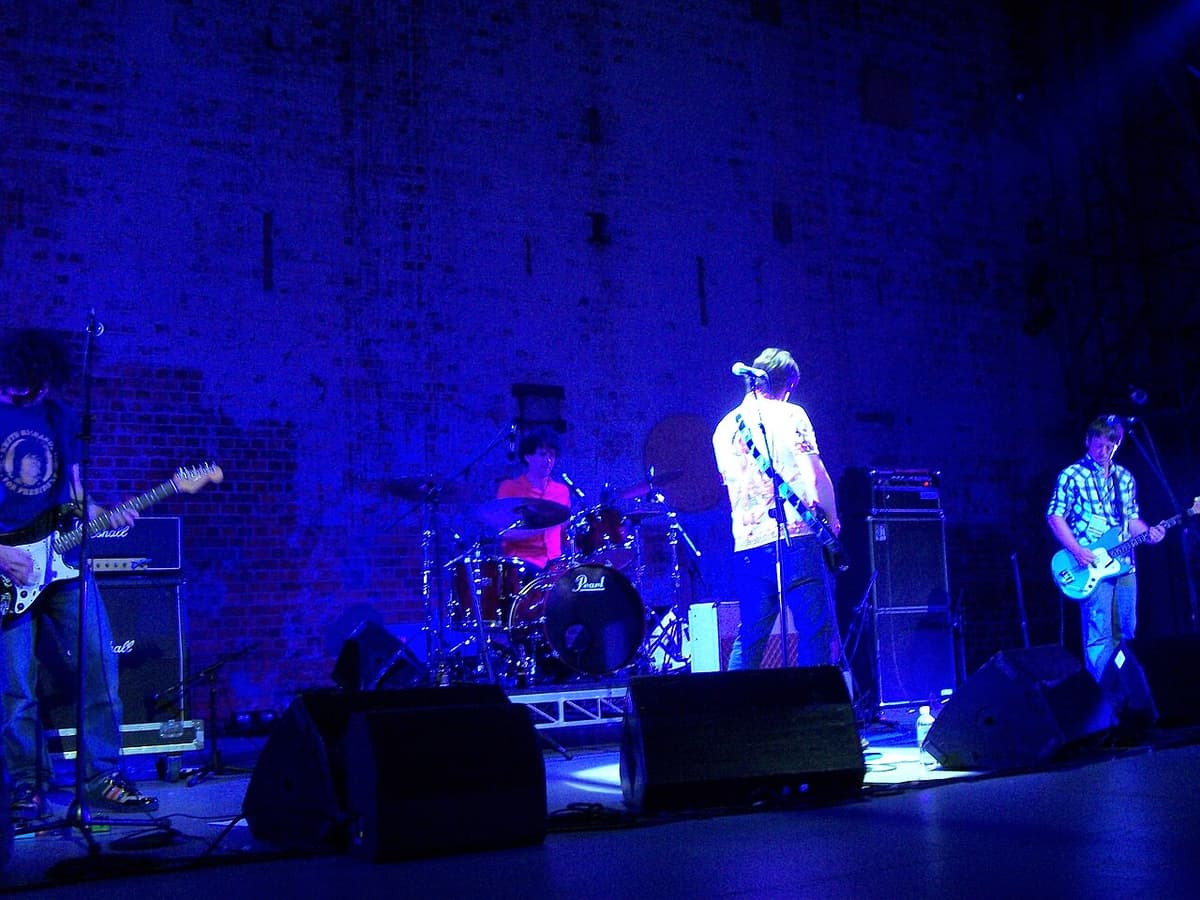
Ratcat are an Australian indie rock band from Sydney who formed in 1985. The band is fronted by mainstay vocalist and guitarist, Simon Day. Their combination of indie pop song writing and energetic punk-style guitar rock won them fans from both the indie and skate-punk communities. They found mainstream success with their extended play, Tingles (October 1990), album Blind Love (June 1991) and the single, "Don't Go Now" (April), which all reached No. 1 on the ARIA Charts during 1991. The band released two subsequent albums that did not match their earlier chart success. Ratcat ceased performing live regularly in the late 1990s; however, they continue to perform sporadically. During their career, much of Ratcat's albums and singles artwork was created by Simon Day.


Shares indie rock, power pop, punk rock (subgenres); playful, energetic, bittersweet (moods)
Shares indie rock, alternative rock, garage rock (subgenres); deadpan, gentle, nasal (vocal style)
Shares indie rock, alternative rock, garage rock (subgenres); playful, energetic, bittersweet (moods)
Shares indie rock, alternative rock, power pop (subgenres); lo fi, analog warmth, stripped back (production style)
Shares indie rock, power pop, alternative rock (subgenres); playful, energetic, rebellious (moods)
Shares playful, energetic, bittersweet (moods); indie rock, power pop, punk rock (subgenres)
Shares indie rock, alternative rock, garage rock (subgenres); summer, basement show, road trip (atmosphere)
Shares indie rock, garage rock, power pop (subgenres); playful, energetic, rebellious (moods)
Shares power pop, indie rock, garage rock (subgenres); playful, energetic, bittersweet (moods)
Shares indie rock, power pop, garage rock (subgenres); playful, energetic, rebellious (moods)
Shares power pop, deadpan, garage rock, punk rock (signature)
Shares power pop, garage rock, punk rock, nasal (signature)
Cassette uses generative AI to enrich its catalog. How we use AI →