This is electronic music at its most kinetic and uncompromising. It lives in the high-velocity intersection of hard trance, techno, and the rowdier side of big beat. The sound is defined by massive, distorted synth leads and a rhythmic foundation that feels like it was built to test the structural integrity of a nightclub. It is loud, proud, and completely uninterested in subtlety, favoring a maximalist approach that keeps the energy pegged at redline from start to finish.
What sets this apart is the 'hard hop' aesthetic, a specific fusion of aggressive electronic production with the vocal energy of hip-hop and rave MC culture. Instead of the ethereal, drifting melodies common in standard trance, you get sharp, percussive stabs and rhythmic vocal hooks that demand physical movement. The production is dense and metallic, often utilizing iconic acid house hardware to create squelching, evolving textures that cut through the heavy percussion.
To understand the appeal, start with the anthem 'Operation Blade (Bass in the Place)'. It perfectly captures the transition from late-90s rave into the harder, more polished sounds of the early 2000s. It is the ideal gateway for anyone who finds mainstream trance too soft but wants more melodic structure than pure industrial techno provides.
Public Domain are a British electronic music group, whose music includes acid and hard techno elements. They had their biggest hit towards the end of 2000, "Operation Blade (Bass in the Place)", which peaked at No. 5 on the UK Singles Chart and the top 10 in Australia, Austria, Germany and Norway. It sold one million copies internationally. In 2001, they released their only album, Hard Hop Superstars. The original line-up of the group featured James Allan, Mark Sherry and Alistair MacIsaac. Mallorca Lee and David Forbes were added to the group before their chart breakthrough. In 2002, after two further top 40 singles in the form of "Rock da Funky Beats" (No. 19) and "Too Many MCs" (No. 34), Lee and Forbes both left, and MacIsaac followed them. Neil Skinner joined the line-up.

Shares trance, techno (subgenres); festival, basement show, urban night (atmosphere)
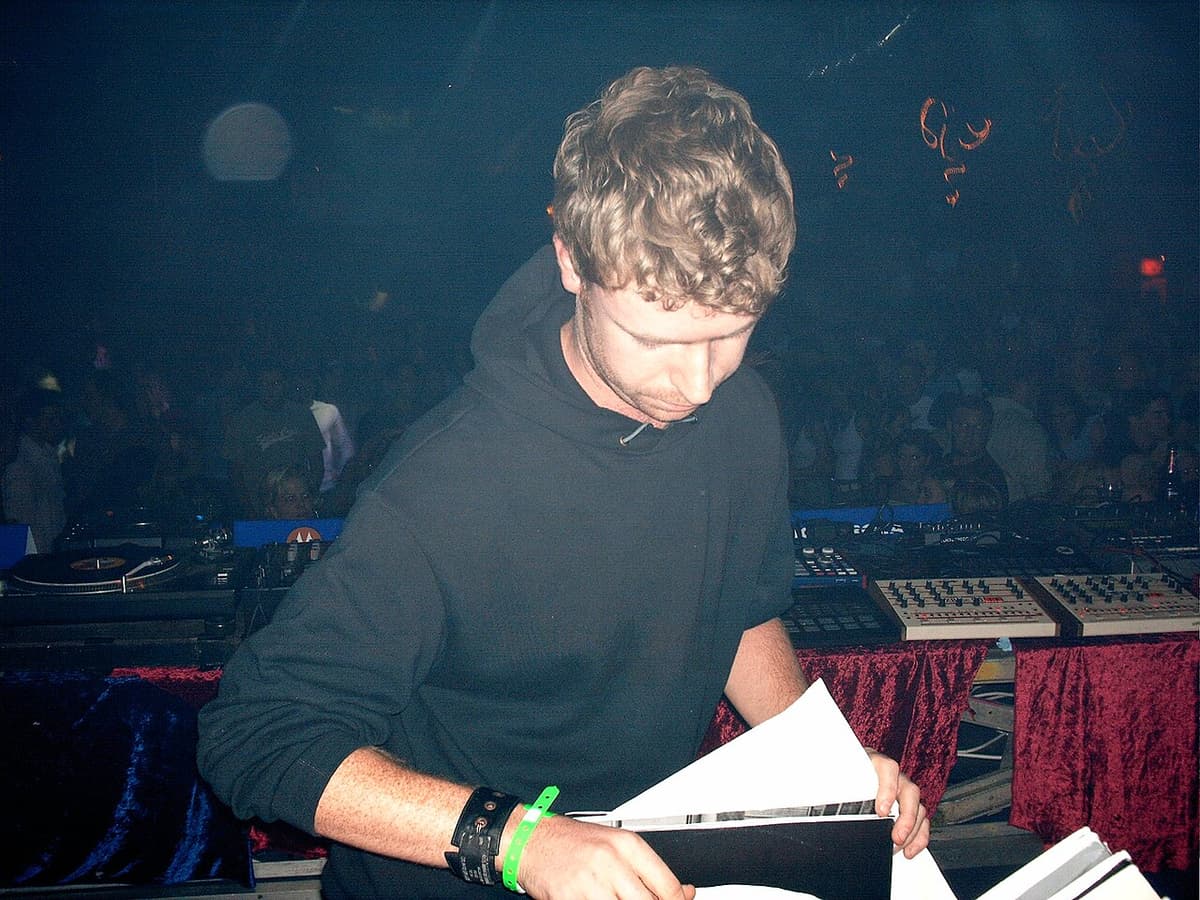
Shares compressed loud, sample based, maximalist (production style); trance, techno, big beat (subgenres)
Shares techno, trance (subgenres); festival, basement show, urban night (atmosphere)
Shares compressed loud, sample based, maximalist (production style); trance, big beat (subgenres)
Shares compressed loud, sample based, maximalist (production style); rap, processed, chanting (vocal style)
Shares compressed loud, sample based, maximalist (production style); trance, techno, big beat (subgenres)
Shares trance, techno, big beat (subgenres); compressed loud, sample based, maximalist (production style)
Shares compressed loud, sample based, maximalist (production style); rap, processed, chanting (vocal style)
Shares energetic, aggressive, euphoric (moods); compressed loud, sample based, digital clarity (production style)
Shares compressed loud, sample based, maximalist (production style); festival, basement show, urban night (atmosphere)
Shares stuttering vocal chops, big beat, trance, compressed loud (detail)
Shares hardcore, rap, turntables, techno (signature)
Cassette uses generative AI to enrich its catalog. How we use AI →