This is music that sounds like it was unearthed rather than recorded. It carries a heavy, suffocating weight, characterized by a thick wall of distorted guitars and drums that feel like a physical assault. The production is intentionally primitive, favoring a murky, analog warmth that blurs the line between music and pure atmospheric noise. It is the sound of ancient rituals performed in damp, lightless spaces.
What sets this artist apart is their commitment to the 'Ross Bay' style of bestial black metal, prioritizing a cavernous, reverberating sound over technical clarity. While many black metal acts aim for a cold, digital sharpness, this music is hot, humid, and filthy. The riffs are disharmonic and swirling, creating a sense of vertigo that never quite resolves, anchored by a percussion style that feels like a constant, rhythmic pummeling.
Start with 'Advent of the Black Omen' to experience their most iconic atmosphere. It was recorded in an abandoned Benedictine chapel, and you can hear the stone walls reflecting every scream and snare hit. It is the perfect entry point for anyone looking to move beyond standard black metal into the more extreme, ritualistic territories of the genre.


Shares cathedral, black metal, death metal, haunting (signature)
Shares cathedral, black metal, death metal, noise textured (signature)
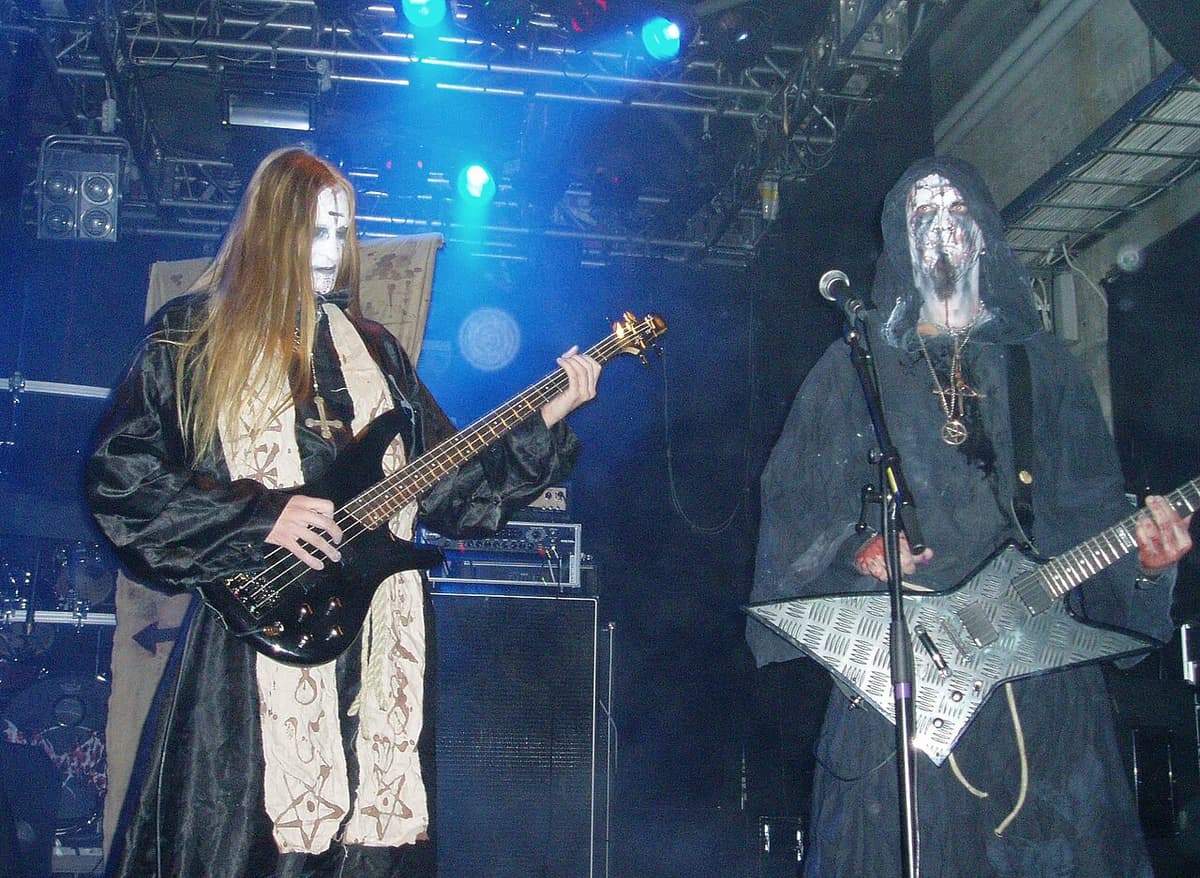
Shares cathedral, black metal, death metal, noise textured (signature)
Shares raw black metal, black metal, death metal, noise textured (signature)
Shares raw black metal, black metal, death metal, noise textured (signature)
Shares black metal, death metal, cathedral, haunting (subgenre)
Shares raw black metal, black metal, noise textured, haunting (signature)
Shares black metal, death metal, noise textured, gravelly (subgenre)
Shares black metal, death metal, noise textured, cathedral (subgenre)
Cassette uses generative AI to enrich its catalog. How we use AI →