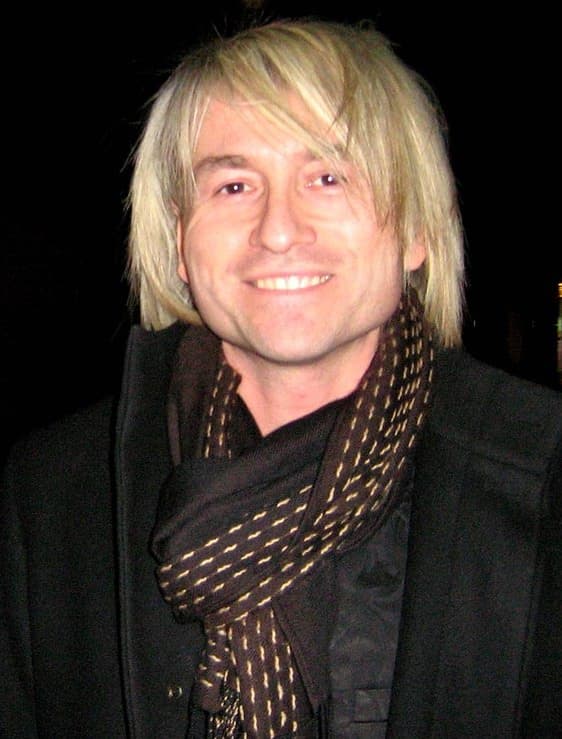
Piotr Rubik
Grand orchestral swells meet pop-driven melodies and massive choral hooks. Cinematic, spiritual, and unapologetically dramatic music for life's biggest moments.
Grand orchestral swells meet pop-driven melodies and massive choral hooks. Cinematic, spiritual, and unapologetically dramatic music for life's biggest moments.
Piotr Rubik creates a sound that is essentially the musical equivalent of a widescreen cinematic epic. It is built on the foundation of a full orchestra and a massive choir, but it breathes with the accessibility of a pop chart-topper. The music is defined by its immense scale, often featuring driving rhythms, soaring string sections, and vocal melodies designed to be sung by thousands. It feels celebratory, earnest, and deeply rooted in the Polish cultural landscape, blending the sacred with the secular in a way that feels both ancient and contemporary.
What truly sets Rubik apart is his use of the 'rhythmic clap' and the oratorio format as a vehicle for popular hits. While a traditional composer might lean into complexity, Rubik leans into the hook. He treats the choir not just as a harmonic backing, but as a lead instrument that delivers anthemic, memorable choruses. This 'sacro-polo' aesthetic bridges the gap between the austerity of the concert hall and the energy of a stadium, creating a unique space where religious devotion and pop sensibility coexist.
For those new to his work, 'Tu Es Petrus' is the essential starting point. It captures the height of his mid-2000s popularity and showcases his ability to turn spiritual themes into massive, emotional crescendos. If you find yourself drawn to the more romantic, melodic side of his writing, the hit 'Niech mówią, że to nie jest miłość' provides a perfect example of how he translates orchestral grandeur into a timeless love song.
Piotr Andrzej Rubik (Polish pronunciation: [ˈpjɔtr ˈrubik]; born 3 September 1968) is a Polish composer of symphonic pop music for orchestra, film and theatre as well as conductor, music producer and vocalist. He gained nationwide popularity in the mid-2000s with the success of his songs Niech mówią, że to nie jest miłość (2005) and Psalm dla Ciebie (2006).
Cassette uses generative AI to enrich its catalog. How we use AI →


