Phil Campbell is a cornerstone of British heavy metal, most famously serving as the guitarist for Motörhead for over thirty years. His sound identity is defined by a gritty, blues-influenced approach to the electric guitar, characterized by heavy use of the Gibson Les Paul and a penchant for pentatonic-based soloing that emphasizes feel over pure speed.
Following the dissolution of Motörhead in 2015, Campbell transitioned into a successful solo career and formed Phil Campbell and the Bastard Sons, a project that allowed him to explore a broader range of hard rock and blues-rock influences while maintaining the high-energy 'rock n' roll' ethos of his former band. His career arc began in the New Wave of British Heavy Metal (NWOBHM) scene with Persian Risk before his long tenure with Lemmy Kilmister. Critically, he is regarded as one of the most reliable and influential guitarists in the genre, bridging the gap between classic 70s rock and the more aggressive sounds of 80s and 90s metal. His influence is felt across the hard rock spectrum, particularly among bands that value a 'live' and unpolished aesthetic.

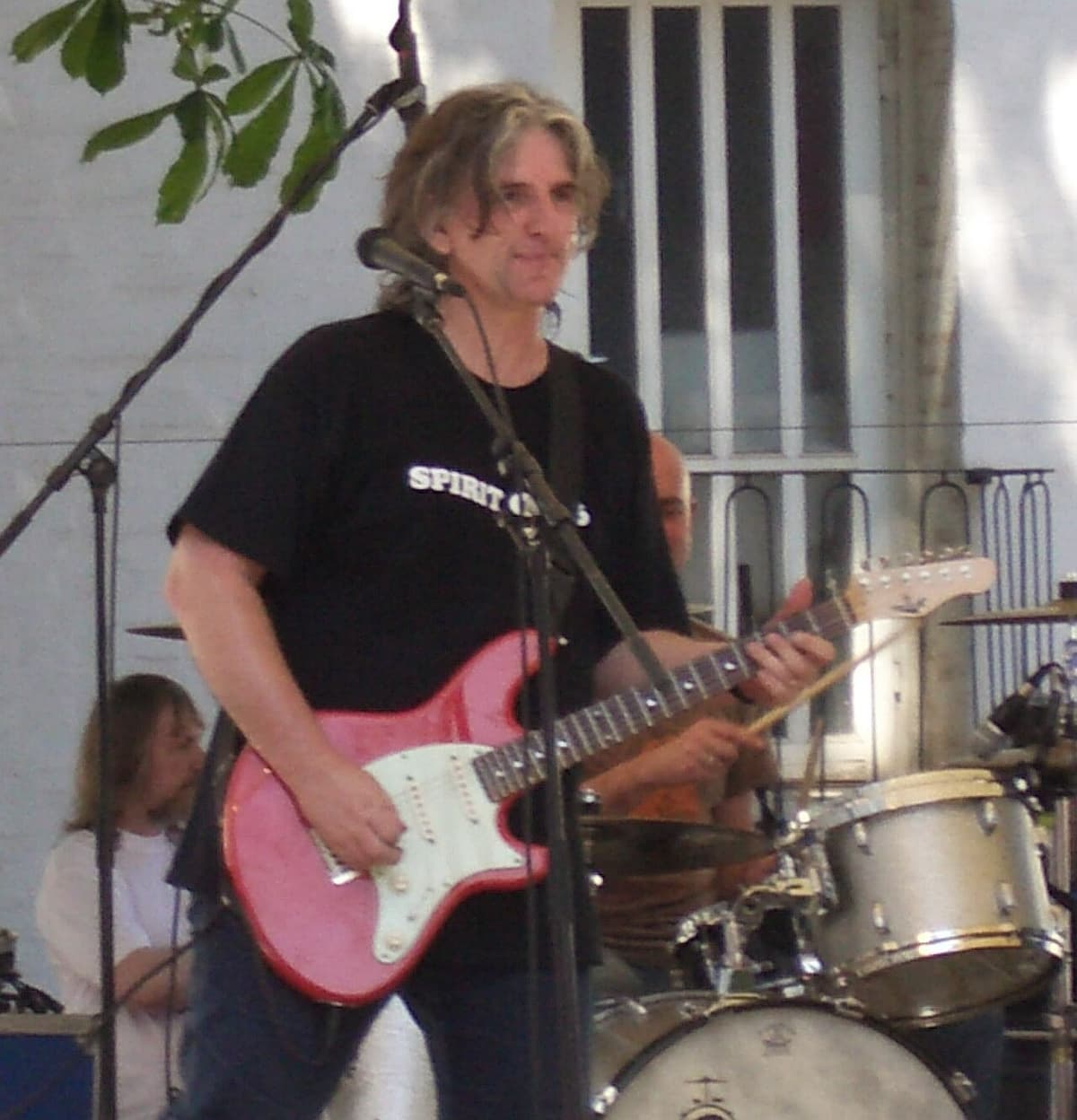
Shares analog_warmth, live_recording, studio_polished (production style); raspy, gravelly, intense (vocal style)
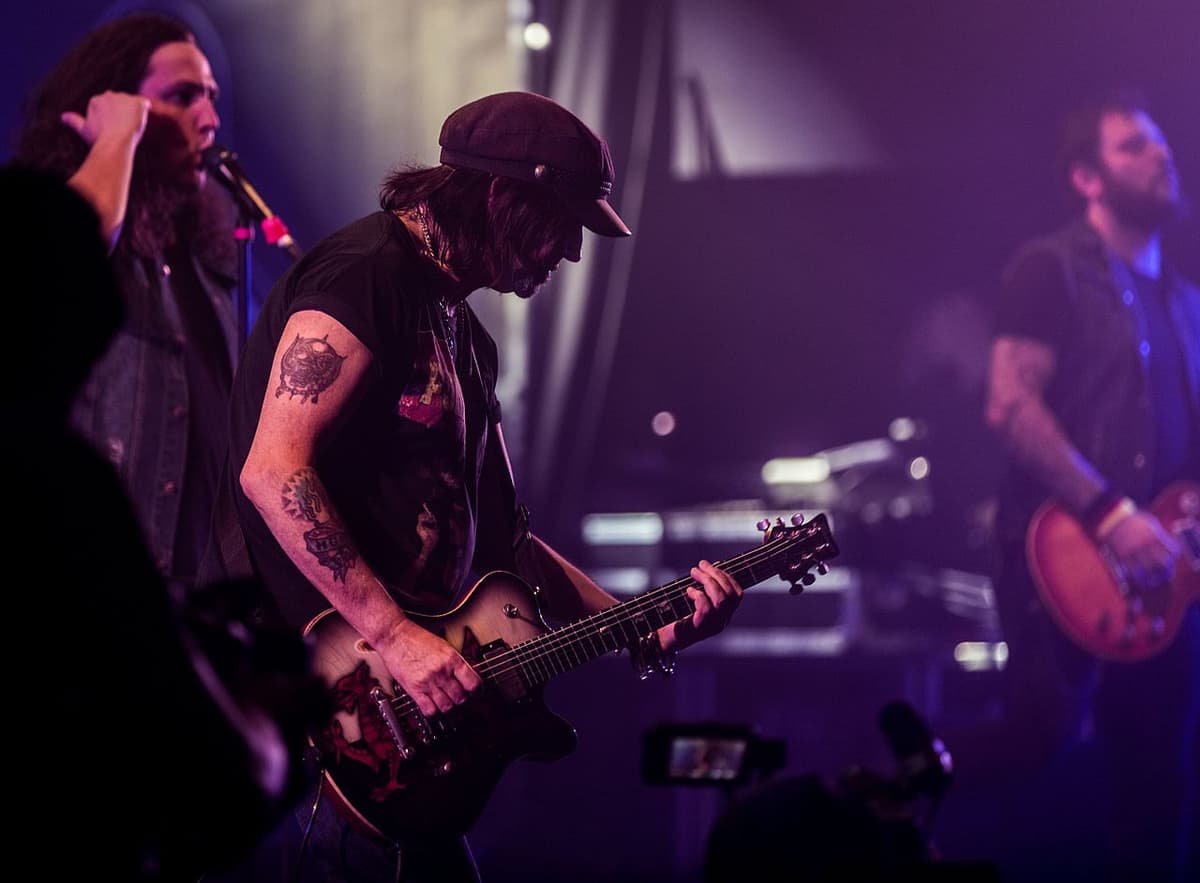
Shares hard rock, heavy metal, blues rock (subgenres); analog_warmth, live_recording, studio_polished (production style)
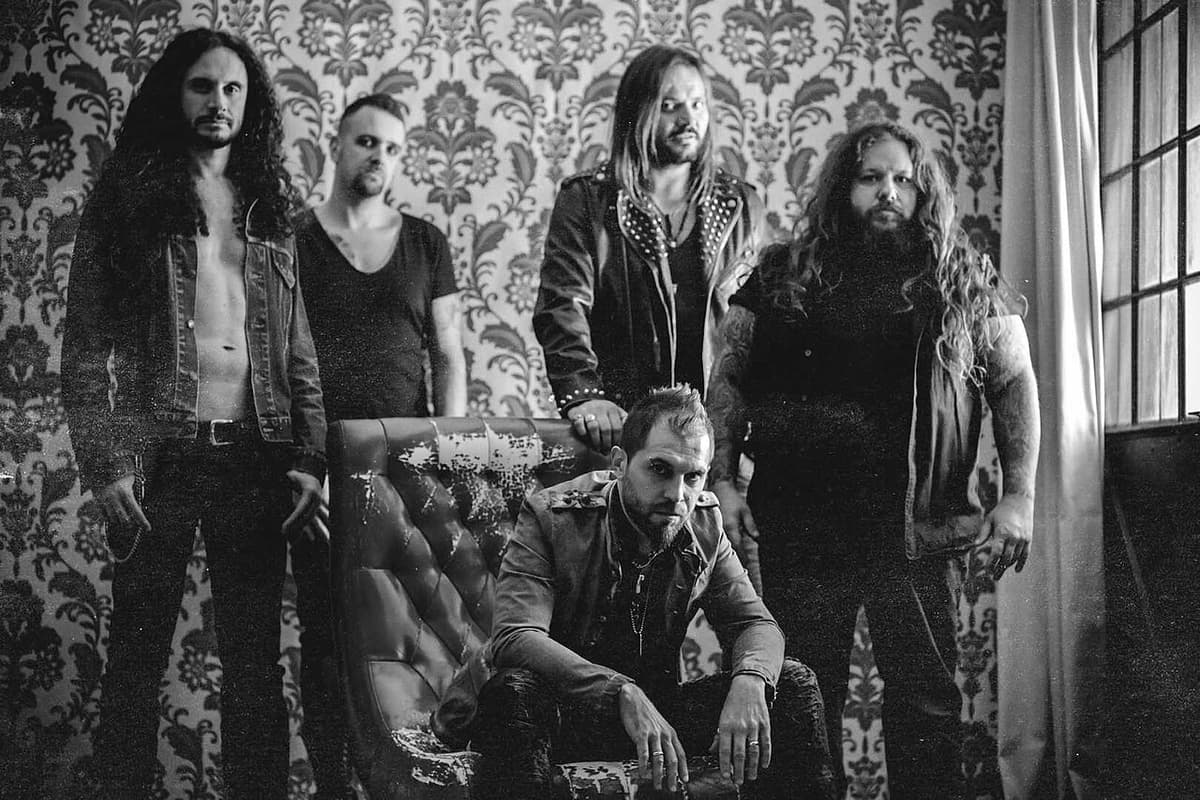
Shares hard rock, heavy metal, blues rock (subgenres); defiant, energetic, confident (moods)
Shares hard rock, heavy metal, blues rock (subgenres); energetic, confident, rebellious (moods)
Shares hard rock, heavy metal, blues rock (subgenres); defiant, energetic, confident (moods)
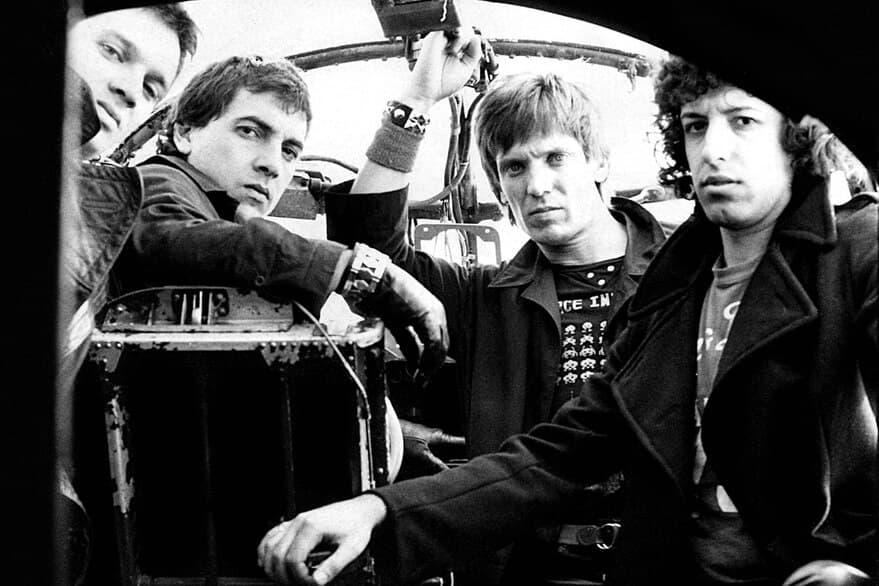
Shares hard rock, heavy metal, blues rock (subgenres); rebellious, energetic, confident (moods)
Shares hard rock, heavy metal, blues rock (subgenres); dive_bar, basement_show, road_trip (atmosphere)
Cassette uses generative AI to enrich its catalog. How we use AI →