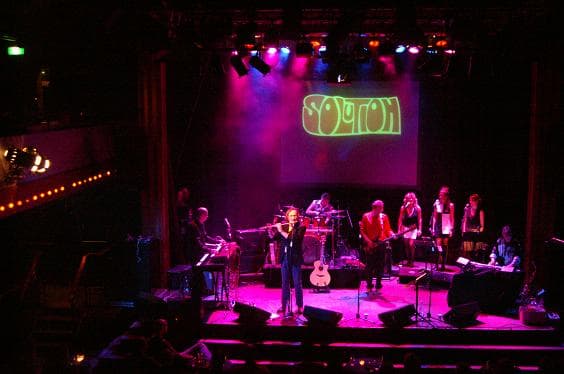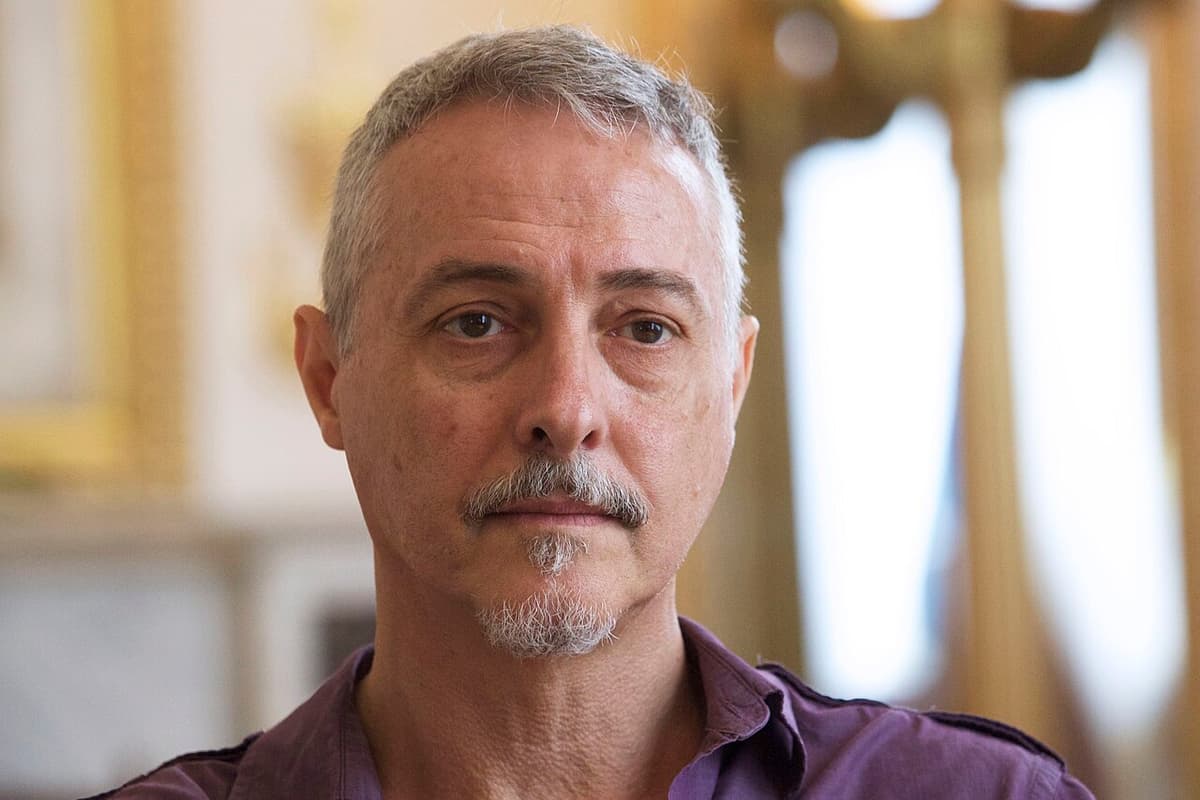
Pedro Aznar
Liquid fretless bass and ethereal vocal harmonies. A sophisticated bridge between Argentine rock, Pat Metheny's jazz, and cinematic folk. Perfect for deep focus.
Liquid fretless bass and ethereal vocal harmonies. A sophisticated bridge between Argentine rock, Pat Metheny's jazz, and cinematic folk. Perfect for deep focus.
Pedro Aznar creates music that feels like a conversation between a philosopher and a virtuoso. His sound is defined by a legendary mastery of the fretless bass, which he plays with a singing, melodic quality that echoes Jaco Pastorius but carries a distinct South American soul. Whether he is performing solo with an acoustic guitar or layering complex vocal harmonies, there is a pervasive sense of intellectual curiosity and emotional depth.
What truly sets Aznar apart is his ability to blend the technical precision of jazz fusion with the poetic heart of Argentine folk and rock. His time with the Pat Metheny Group polished his sense of atmospheric arrangement, leading to a solo catalog that feels both expansive and intimate. He treats the voice as an instrument, often using wordless soaring melodies to fill the space between his intricate bass lines and lush synth textures.
Start with 'Cuerpo y alma' to hear his peak studio craftsmanship, or 'A solas con el mundo' for a more intimate look at his multi-instrumental prowess. His work is a gateway for those who love the complexity of progressive music but crave the warmth of a singer-songwriter's perspective.
Pedro Aznar (born 23 July 1959) is an Argentine musician and singer-songwriter. He has musical experience in jazz, Argentine folk and rock music and has a successful career as a solo artist. He is well known for giving rock songs a jazz-oriented style, by playing the fretless bass, with a big influence from Jaco Pastorius. He is a multi-instrumentalist and the author of several books of poetry published in Argentina. He plays an important part in Argentine rock, where in the mid-1970s, he had various appearances with groups like Madre Atómica, Alas and Pastoral. He became one of four members of Serú Girán in 1978, one of the most musically influential bands that dominated Argentina's rock circuit for the next four years. In 1982 he accepted an invitation from Pat Metheny to join The Pat Metheny Group as a vocalist, with whom he recorded three Grammy Award-winning albums. Later he began his solo career, while also working scoring music to film soundtracks. His 1991 album Tango 4 with Charly García as a duo went platinum and was named best rock album of the year in Argentina by the Argentine Association of Entertainment Critics. In 1990, he worked as a producer in Sandra Mihanovich and Celeste Carballo's album Mujer contra mujer.
Shares hi fi, analog warmth, studio polished (production style); art rock, progressive rock, chamber pop (subgenres)
Shares hi fi, analog warmth, studio polished (production style); progressive rock, art rock (subgenres)
Shares hi fi, analog warmth, studio polished (production style); progressive rock, art rock (subgenres)
Shares hi fi, analog warmth, studio polished (production style); contemplative, wistful, serene (moods)
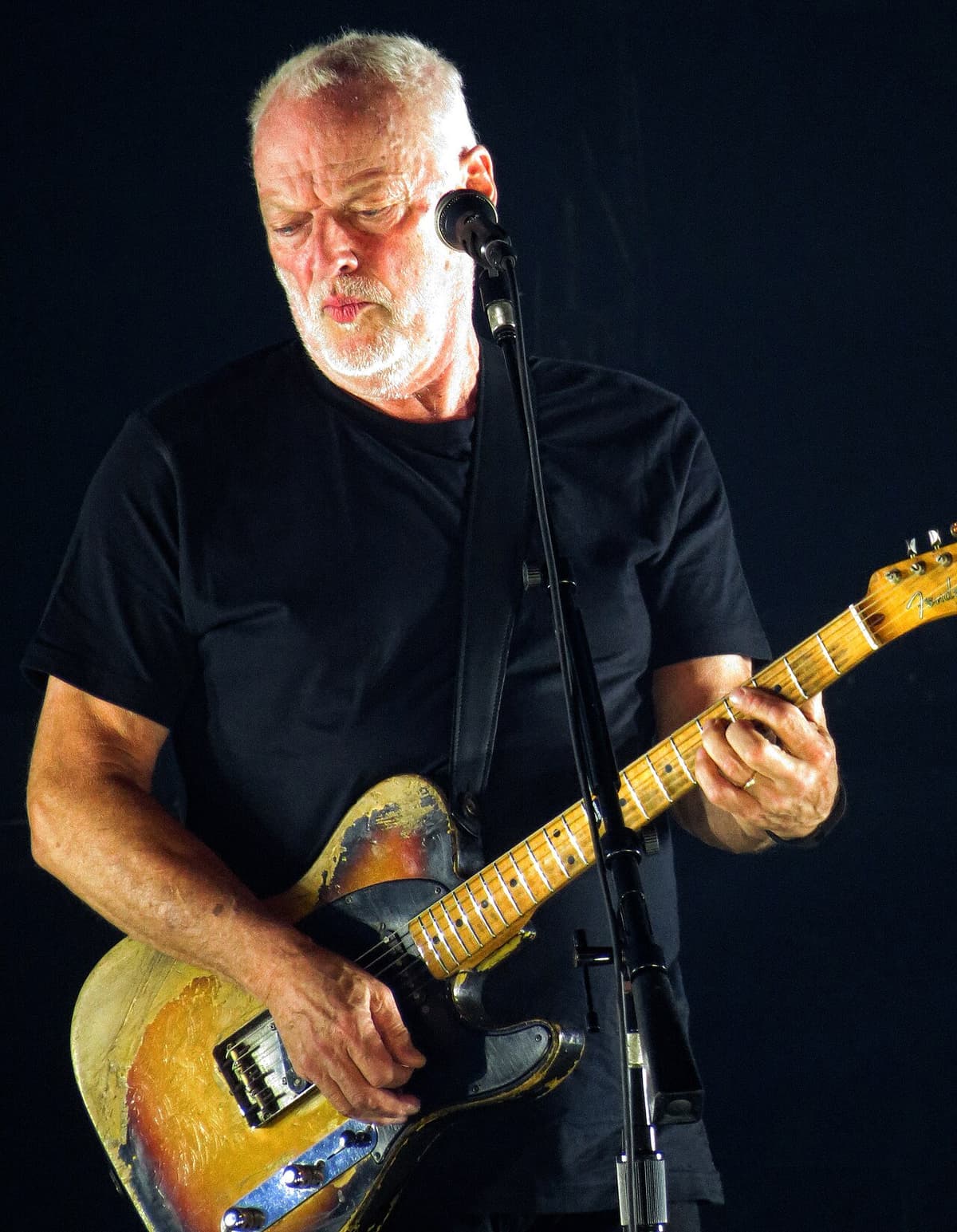
Shares hi fi, analog warmth, studio polished (production style); contemplative, wistful, serene (moods)
Shares hi fi, analog warmth, studio polished (production style); progressive rock, art rock, chamber pop (subgenres)
Shares progressive rock, jazz fusion, art rock (subgenres); hi fi, analog warmth, studio polished (production style)
Shares progressive rock, art rock, chamber pop (subgenres); contemplative, wistful, serene (moods)
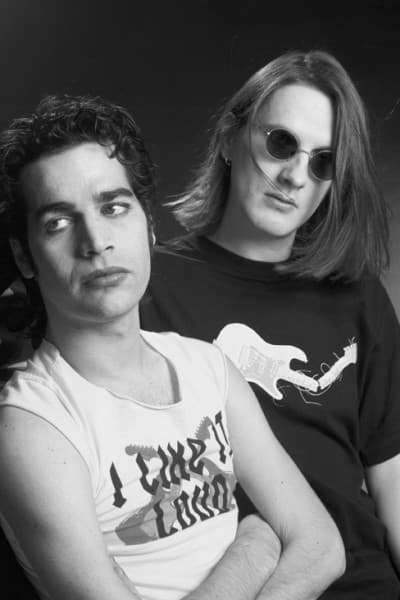
Shares art rock, chamber pop, progressive rock (subgenres); analog warmth, studio polished, layered dense (production style)
Shares progressive rock, art rock (subgenres); hi fi, studio polished, layered dense (production style)
Shares jazz fusion, progressive rock, art rock, hi fi (signature)
Cassette uses generative AI to enrich its catalog. How we use AI →