Pattern Is Movement sounds like a conversation between a master percussionist and a soul singer who grew up on a diet of complex indie rock. The music is defined by a striking contrast: the drums are restless, intricate, and constantly shifting in time, while the vocals and keys provide a lush, melodic counterpoint that feels deeply human and grounded. It is music that demands your attention but rewards it with surprising warmth.
What makes them truly distinctive is their evolution from a dense five-piece math-rock outfit into a lean, powerful duo. This transition stripped away the excess to reveal a core of 'indie cabaret' where Rhodes piano and analog synths create a bed for Andrew Thiboldeaux's incredible vocal range. The production, often handled by Scott Solter, utilizes analog tape processes to give the complex arrangements a tactile, lived-in quality that digital-only recordings often lack.
Start with the album 'All Together' to hear the band at their creative peak. It perfectly captures the moment where their technical math-rock roots merged with a newfound interest in soulful melody and baroque arrangements. From there, explore their self-titled final album for a more percussive, modern take on their unique sound.
Pattern Is Movement (often stylized as Pattern is Movement) is an American indie rock band from Philadelphia, Pennsylvania, that was established in 2001. They have been categorized by some reviewers as a math rock group and compared to groups such as Don Caballero, Sunny Day Real Estate and Pinback. However, as the band moved from a five-piece to a two-piece, their sound moved away from the angular sound of previous records and closer to a more melodic heavy composition structure with sing-a-long choruses. The current two-piece sound can be attributed to influences such as Dirty Projectors, Beirut and Grizzly Bear. In an interview with Baeble Music, Ward coined the band with the term "indie cabaret". In 2006, producer and engineer Scott Solter (who has worked with John Vanderslice and the Mountain Goats) remixed the 2005 album Stowaway, which he had also recorded. This remix was considered unique due to its exclusivity to analog processes. Solter is credited on the album with "machines, razors, tape." Since 2008, Pattern Is Movement have been performing as a two-piece. On the January 2008, issue of Philadelphia Weekly they were featured in a cover story citing "Four indie bands that can expect a big year". The band emerged with a new album, All Together, documenting the lineup in the spring of 2008, also recorded with Solter. In his favorable review, Pitchfork Media writer Joe Tangari described it as "an accessible album that nonetheless sounds unlike what any other band is doing". In April 2009 they became one of Limewire's Featured Artists. In 2015, after releasing their self-titled fourth album, Pattern Is Movement announced their farewell tour.


Shares math rock, chamber pop, indie rock (subgenres); analog warmth, layered dense, studio polished (production style)
Shares art pop, indie rock, math rock (subgenres); contemplative, intense, wistful (moods)
Shares math rock, indie rock, chamber pop (subgenres); contemplative, wistful, restless (moods)
Shares math rock, post-rock, indie rock (subgenres); contemplative, intense, wistful (moods)
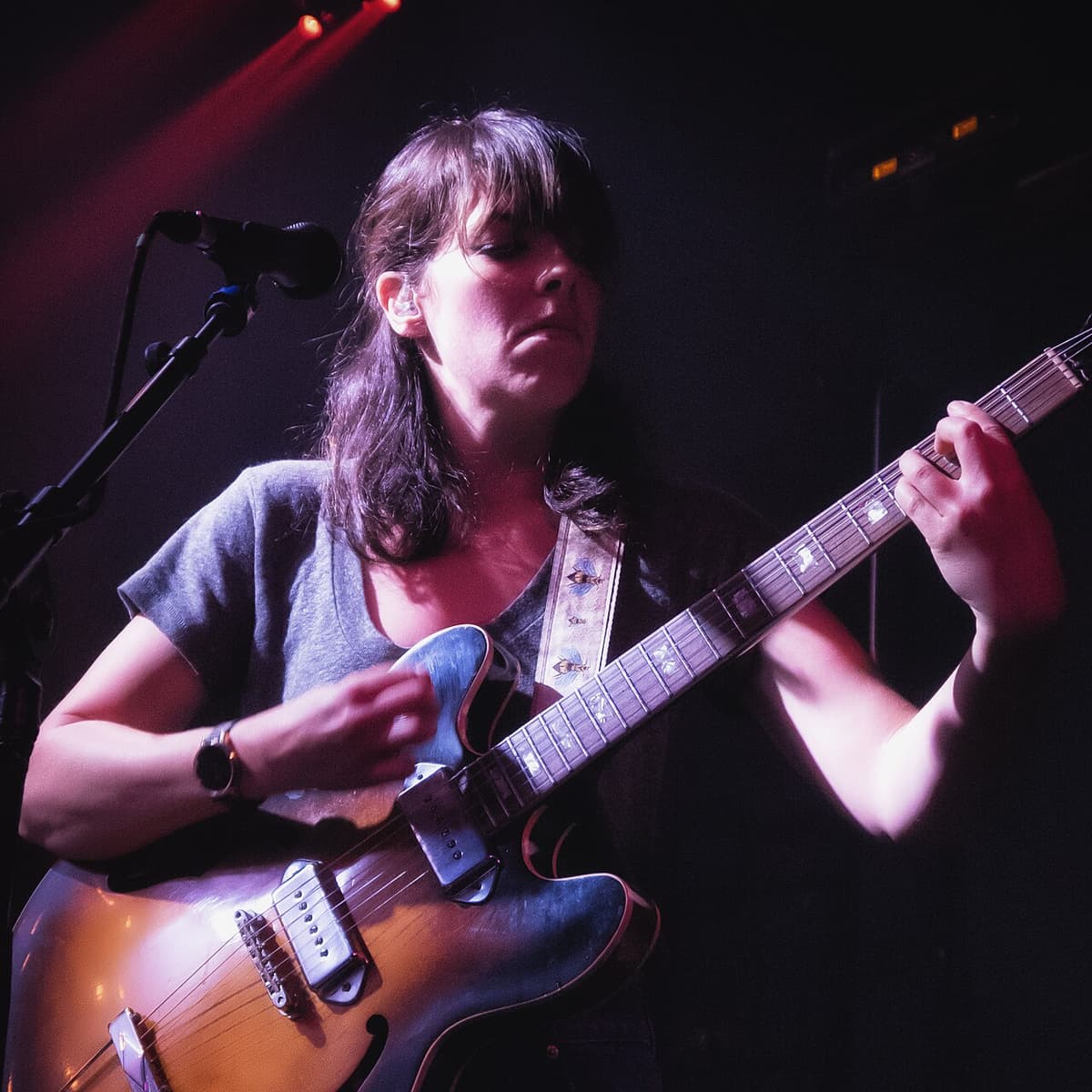
Shares falsetto, harmonized, crooning (vocal style); layered dense, studio polished, analog warmth (production style)
Shares basement show, urban night, focused work (atmosphere); math rock, indie rock (subgenres)
Shares contemplative, intense, wistful (moods); math rock, post-rock, art pop (subgenres)
Shares math rock, post-rock, indie rock (subgenres); restless, contemplative, wistful (moods)
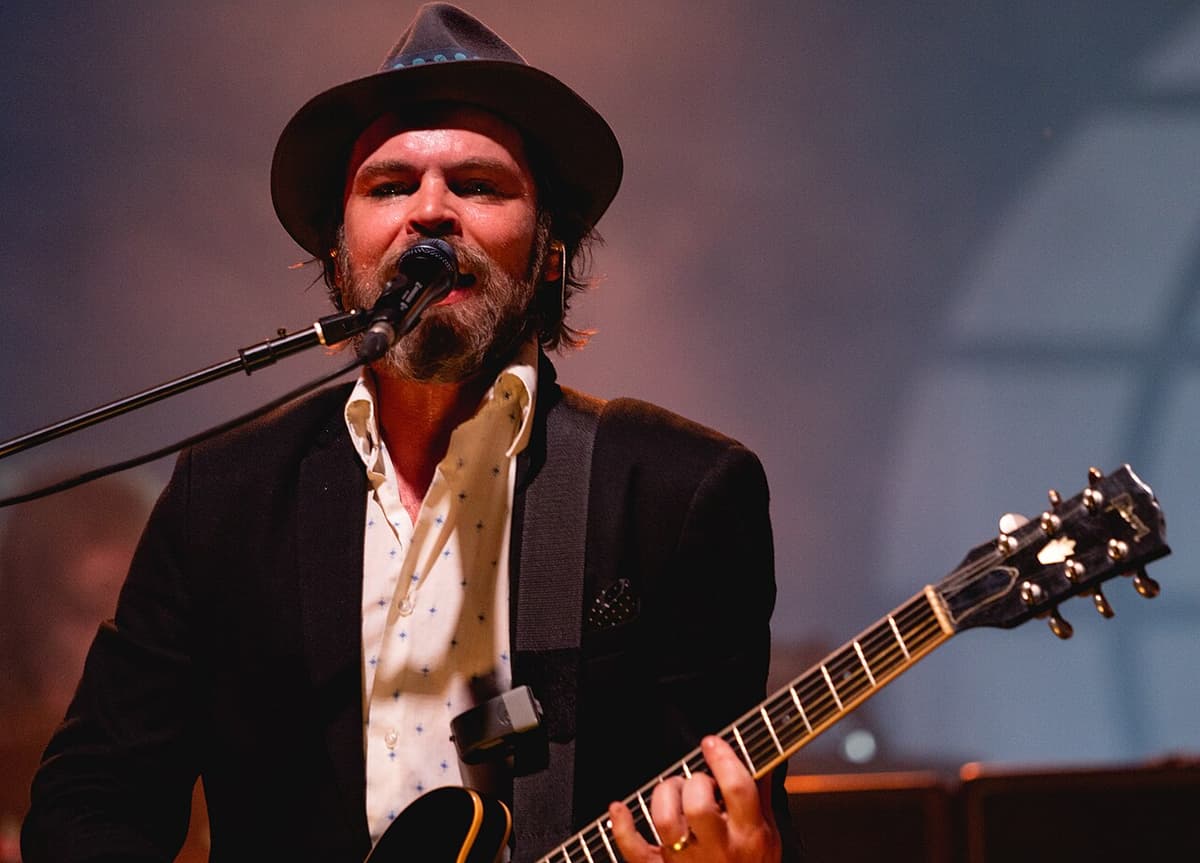
Shares layered dense, analog warmth, studio polished (production style); contemplative, wistful, restless (moods)
Shares math rock, post-rock, library, tape saturation (signature)
Shares math rock, falsetto, library, chamber pop (signature)
Cassette uses generative AI to enrich its catalog. How we use AI →