Not Enough Space is an Orlando-based metalcore quintet that has rapidly ascended within the 'alternative metal' and 'post-hardcore' spheres since their 2018 formation. Their sound identity is built on a dual-vocalist dynamic (Lizzie Kristina and Olivia) that allows for complex harmonic layering and a seamless transition between melodic pop sensibilities and aggressive metalcore tropes.
Influenced by the 'modern heavy' wave led by Spiritbox and Bring Me The Horizon, they utilize high-fidelity production, digital synths, and djent-influenced guitar work to create a sound that appeals to both traditional metal fans and the 'alt-pop' crossover audience. Their career arc shows a steady evolution from acoustic covers to a sophisticated, collaborative studio project, notably working with scene veterans like Kellin Quinn. Critical consensus highlights their ability to tackle heavy themes of codependency and identity with a polished, accessible aesthetic that resonates with Gen Z and Millennial listeners. They occupy a cultural space often categorized as 'Goth Girl Dinner' or 'E-girl metal,' blending dark aesthetic choices with high-energy, emotionally transparent songwriting.

Shares cinematic synth undercurrents, metalcore, cathartic, post-hardcore (detail)
Shares metalcore, post-hardcore, studio_polished, alternative metal (signature)
Shares metalcore, post-hardcore, studio_polished, alternative metal (signature)
Shares cathartic, post-hardcore, studio_polished, alternative metal (signature)
Shares cinematic synth undercurrents, post-hardcore, studio_polished, alternative metal (detail)
Shares cinematic synth undercurrents, post-hardcore, studio_polished, alternative metal (detail)
Shares post-hardcore, alternative metal, cathartic, vulnerable (subgenre)
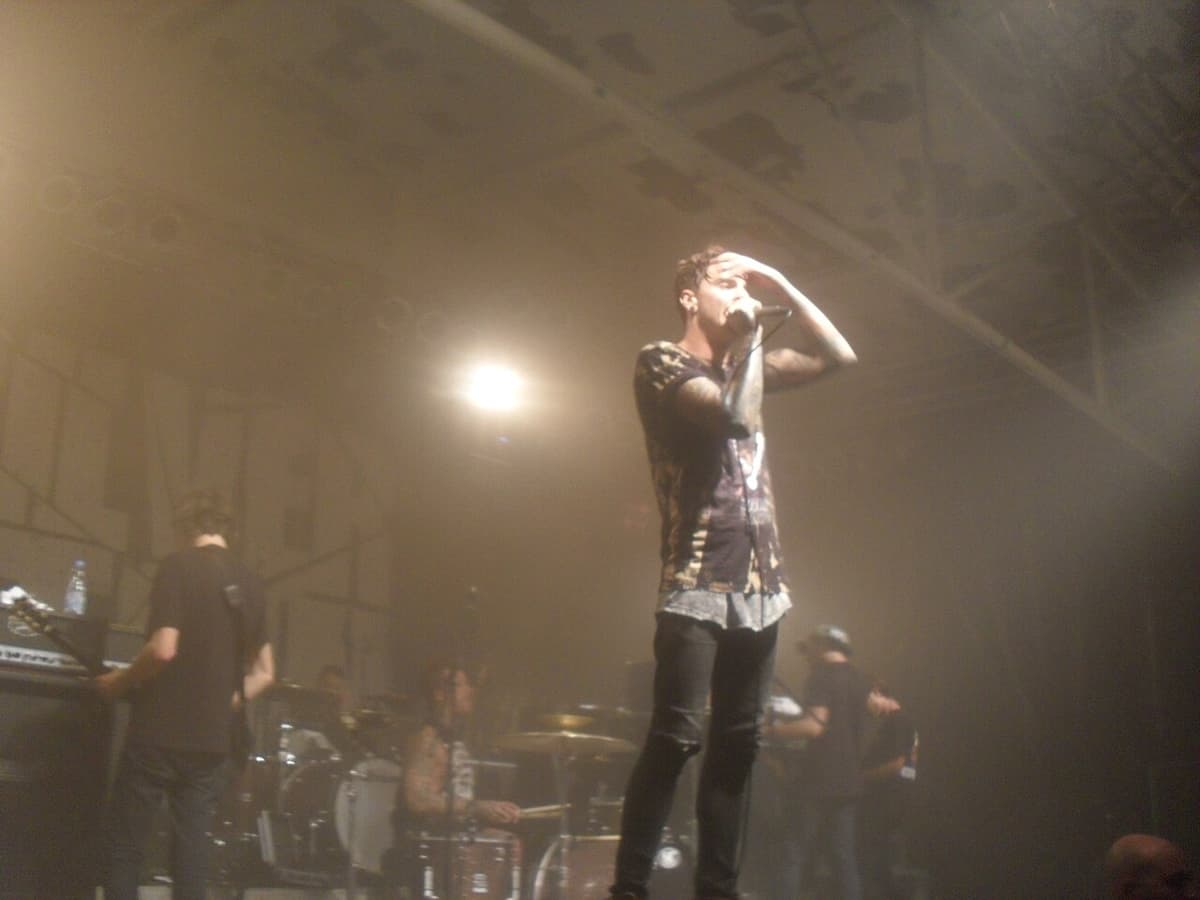
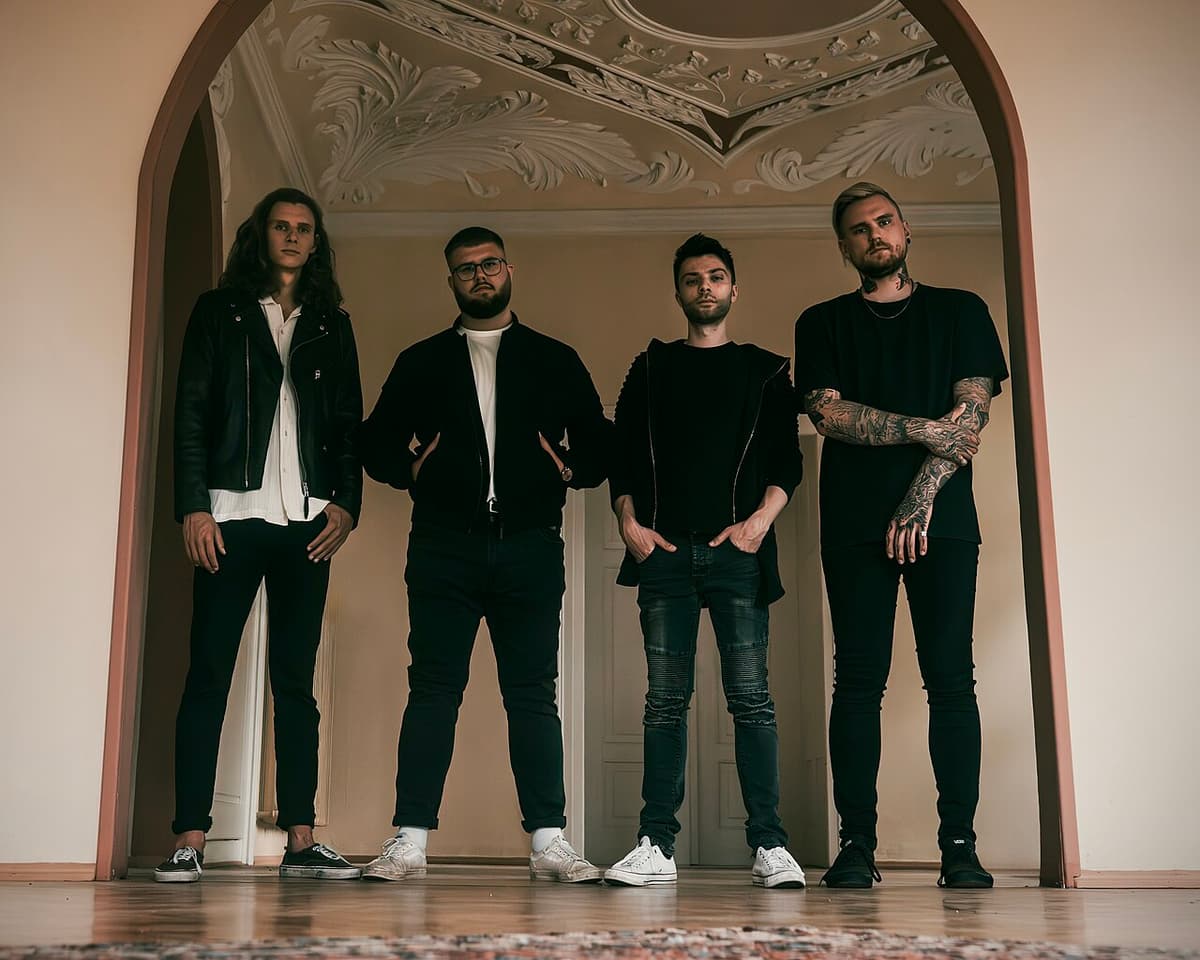
Shares metalcore, cathartic, post-hardcore, alternative metal (signature)
Cassette uses generative AI to enrich its catalog. How we use AI →