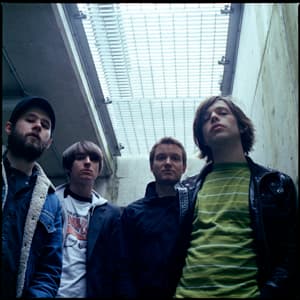
Nine Black Alps
High-octane Manchester rock that pairs Seattle-style fuzz with sharp British melodies. Gritty, propulsive, and perfect for high-speed drives or basement shows.
High-octane Manchester rock that pairs Seattle-style fuzz with sharp British melodies. Gritty, propulsive, and perfect for high-speed drives or basement shows.
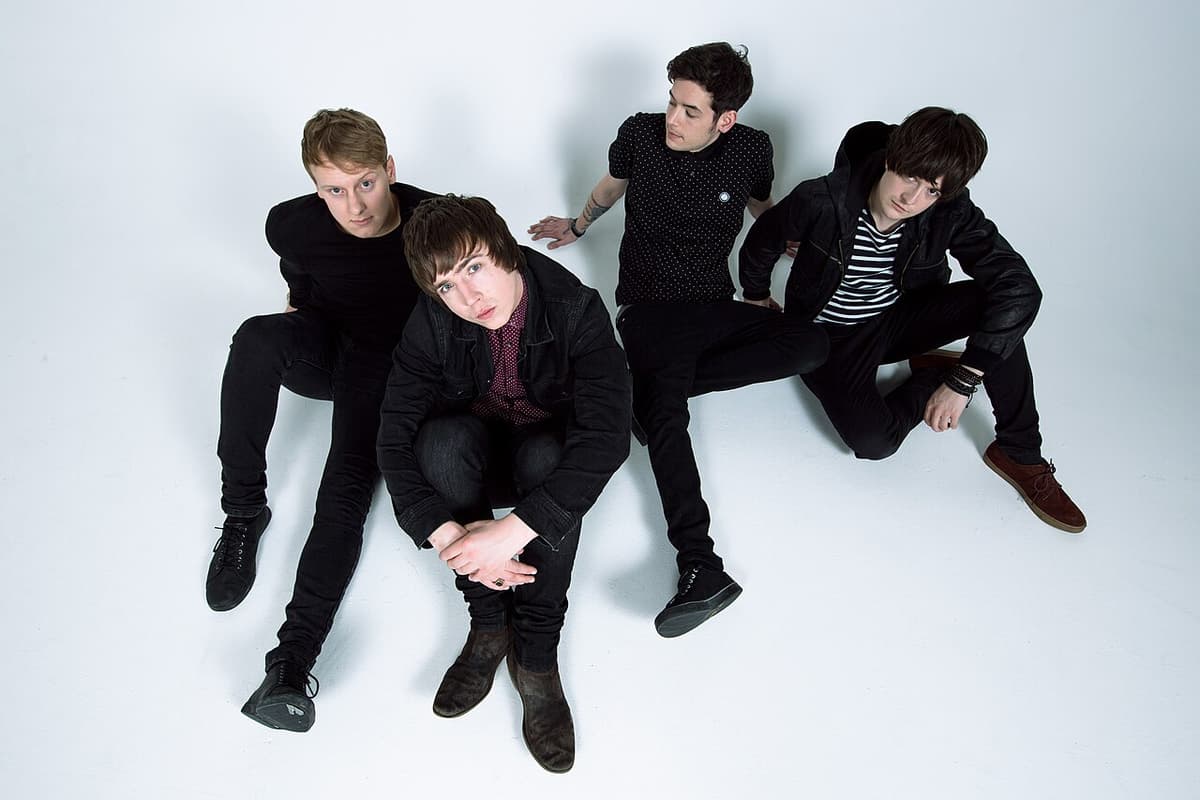
Nine Black Alps emerged from Manchester in 2003, quickly distinguishing themselves from the prevailing 'indie-disco' trend by embracing a heavier, grunge-influenced aesthetic. Named after a Sylvia Plath poem, the band signaled a literary depth that contrasted with their high-gain, distorted sound.
Their debut, 'Everything Is' (2005), produced by Rob Schnapf, remains a high-water mark for UK alternative rock in the 2000s, blending the melodic sensibilities of Nirvana with a distinctly British grit. This era saw them heavily featured in video game soundtracks (FIFA, Burnout, SSX), which cemented their global reach among a specific generation of listeners. Following a major label stint with Island Records, the band transitioned into a more independent, self-financed model, working with producers like Dave Sardy and Dave Eringa to maintain their loud, uncompromising sound. Critically, they are often cited as one of the few UK bands to successfully translate the American post-grunge template into a British context without losing their regional identity. Their influence persists among fans of high-energy, guitar-driven alternative rock that prioritizes raw emotionality over radio-friendly polish.
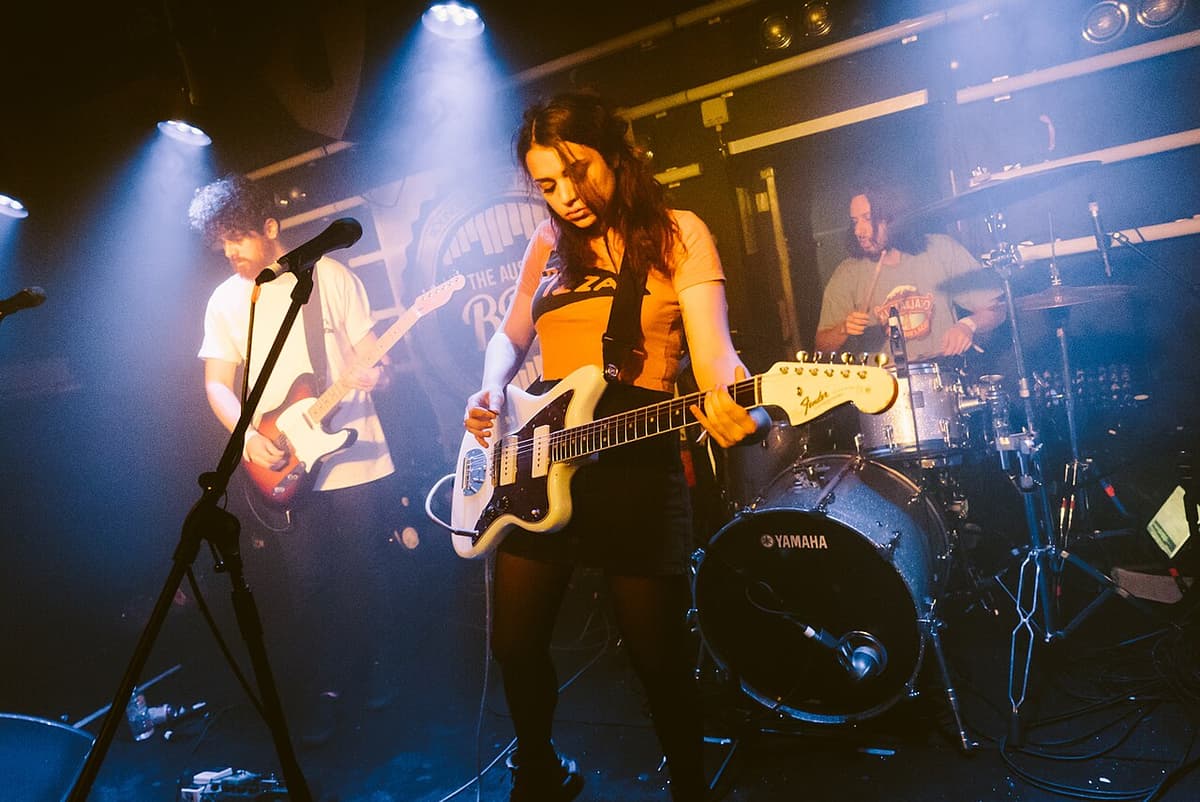
Shares alternative rock, grunge, indie rock (subgenres); basement_show, festival, urban_night (atmosphere)
Shares defiant, urgent, energetic (moods); alternative rock, indie rock, garage rock (subgenres)
Shares alternative rock, indie rock, grunge (subgenres); energetic, urgent, defiant (moods)
Shares grunge, alternative rock, post-grunge (subgenres); noise_textured, analog_warmth, studio_polished (production style)
Shares alternative rock, indie rock, post-grunge (subgenres); energetic, urgent, defiant (moods)
Shares grunge, alternative rock, indie rock (subgenres); basement_show, urban_night, rainy_day (atmosphere)
Cassette uses generative AI to enrich its catalog. How we use AI →