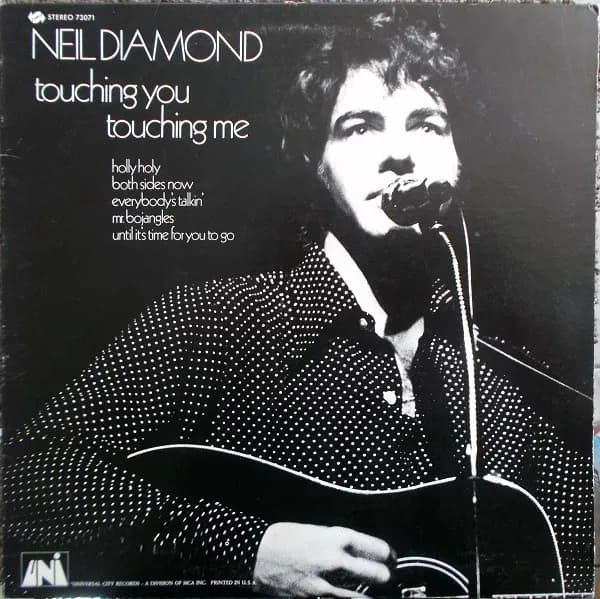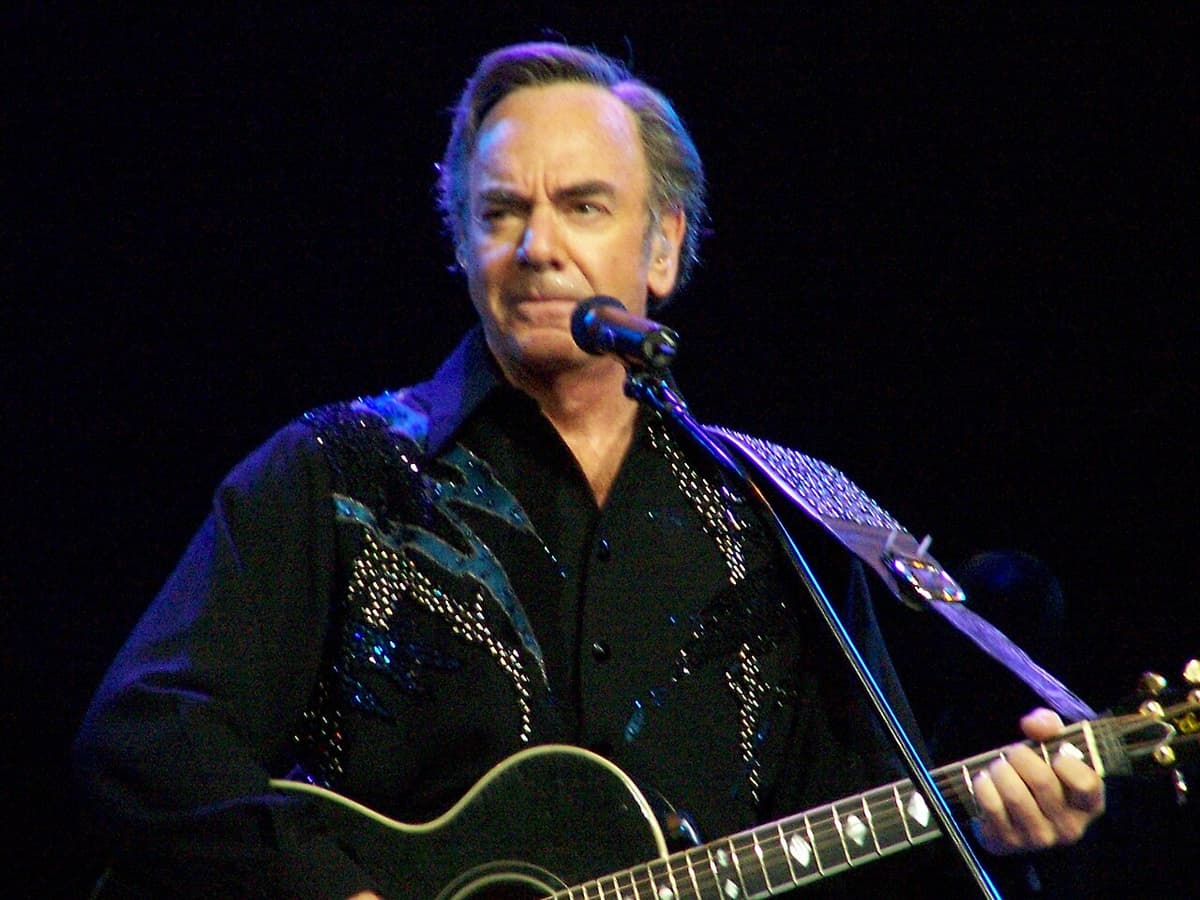
Neil Diamond
Gravelly baritone vocals meeting lush orchestral arrangements. Theatrical, heartfelt pop-rock that turns personal stories into massive, communal singalongs.
Gravelly baritone vocals meeting lush orchestral arrangements. Theatrical, heartfelt pop-rock that turns personal stories into massive, communal singalongs.
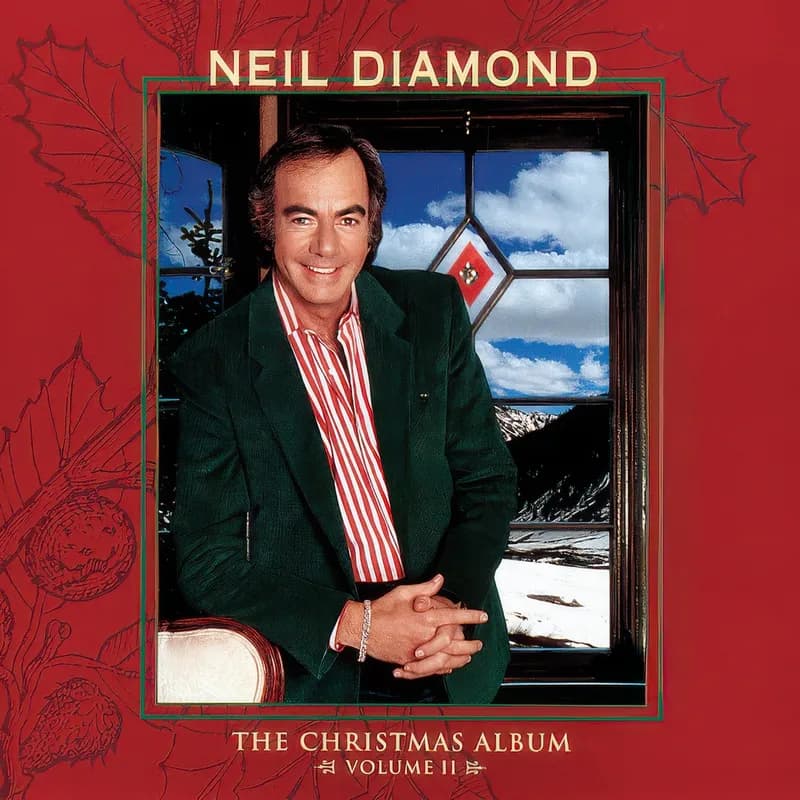
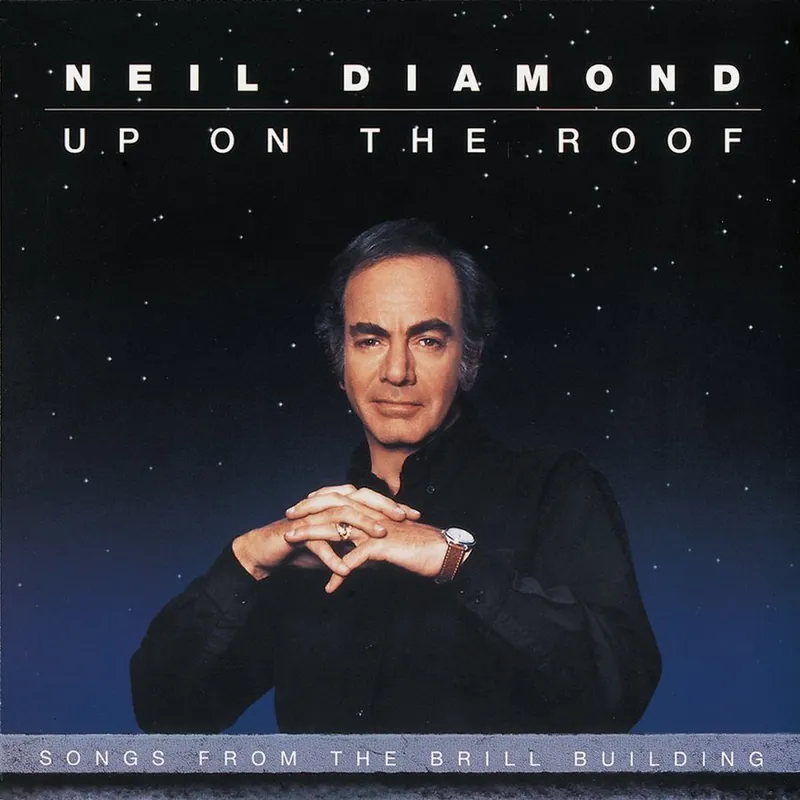
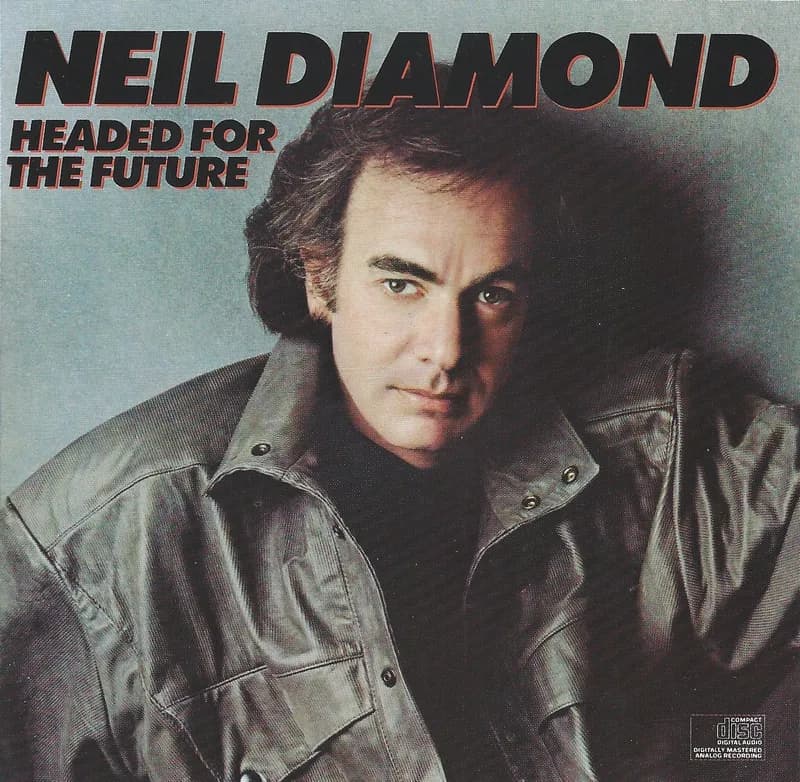
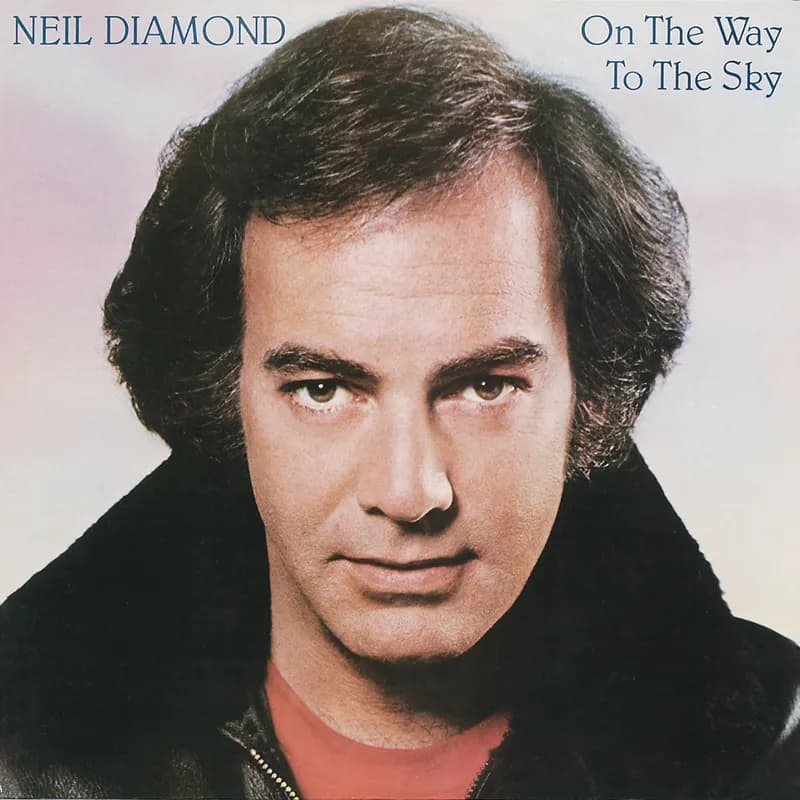
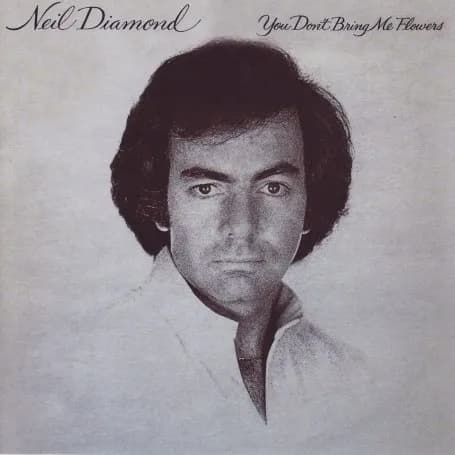
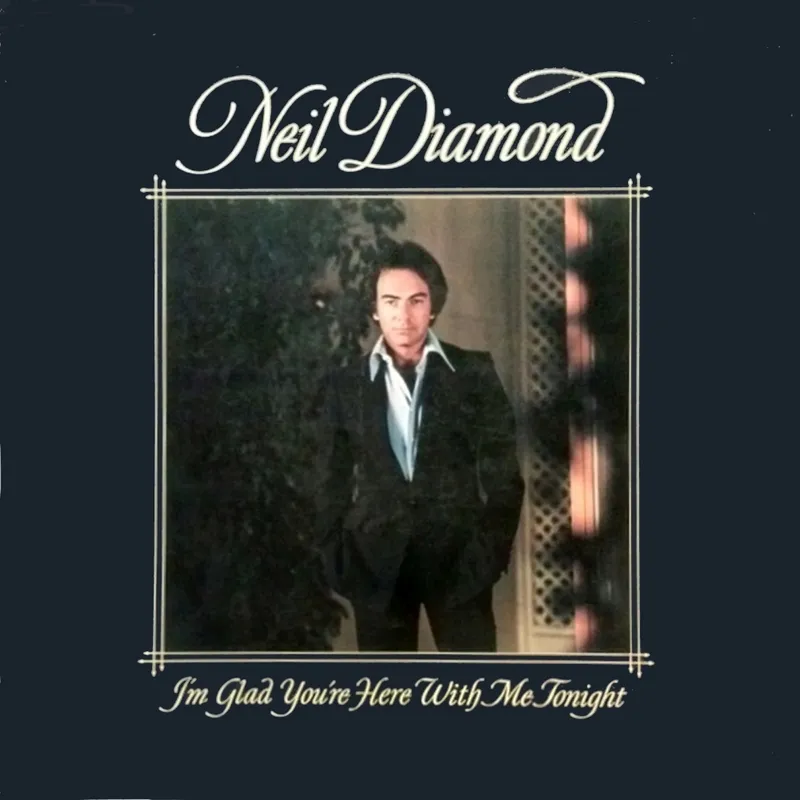
Neil Diamond is a titan of American popular music whose career bridges the gap between the professional songwriting era of the early 1960s and the self-contained artist movement of the 1970s. Beginning as a staff writer at the Brill Building, Diamond eventually found his voice as a solo performer, blending folk-rock foundations with sophisticated, often cinematic arrangements.
His sound identity is anchored by his distinctive baritone and a 'crescendo-heavy' songwriting style that favors emotional catharsis. Culturally, he represents a specific brand of 'Adult Contemporary' that maintains a rock edge, influencing artists from the heartland rock of Bob Seger to the modern indie-folk of Rick Rubin-produced late-career revivals. Critical consensus often highlights his 1966-1976 period as his creative zenith, particularly his ability to incorporate world music influences (as seen in Tap Root Manuscript) into mainstream pop. Despite a period of being labeled as kitsch in the 1980s, his legacy has been rehabilitated as a master craftsman of the American songbook, evidenced by his late-career collaborations with Rick Rubin which stripped back the artifice to reveal the enduring power of his songwriting.
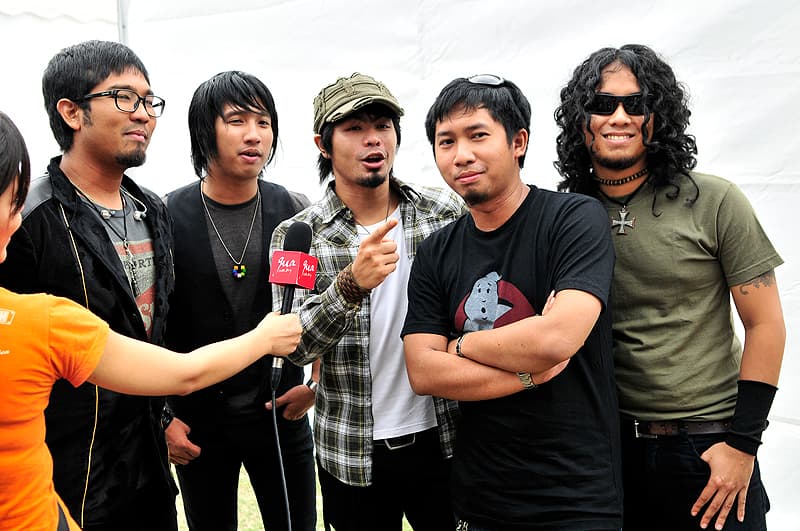
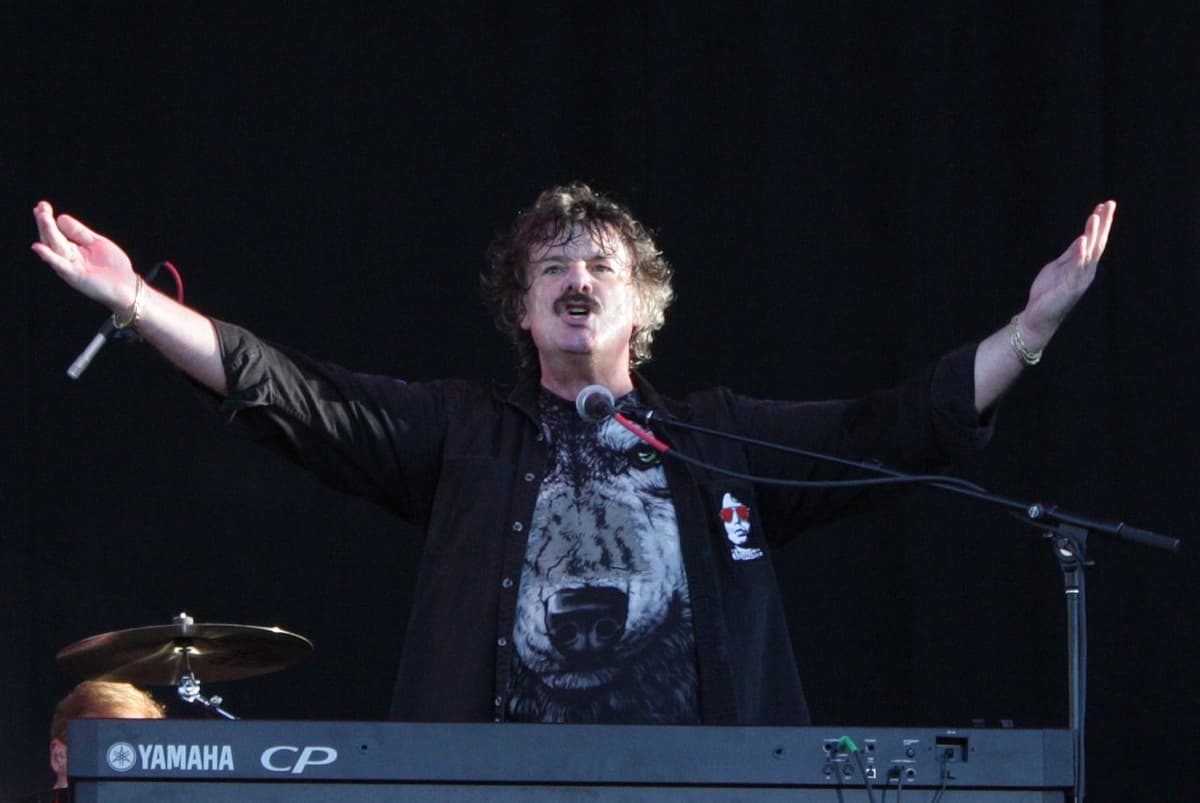
Shares orchestral_arrangement, studio_polished, analog_warmth (production style); pop rock, soft rock (subgenres)
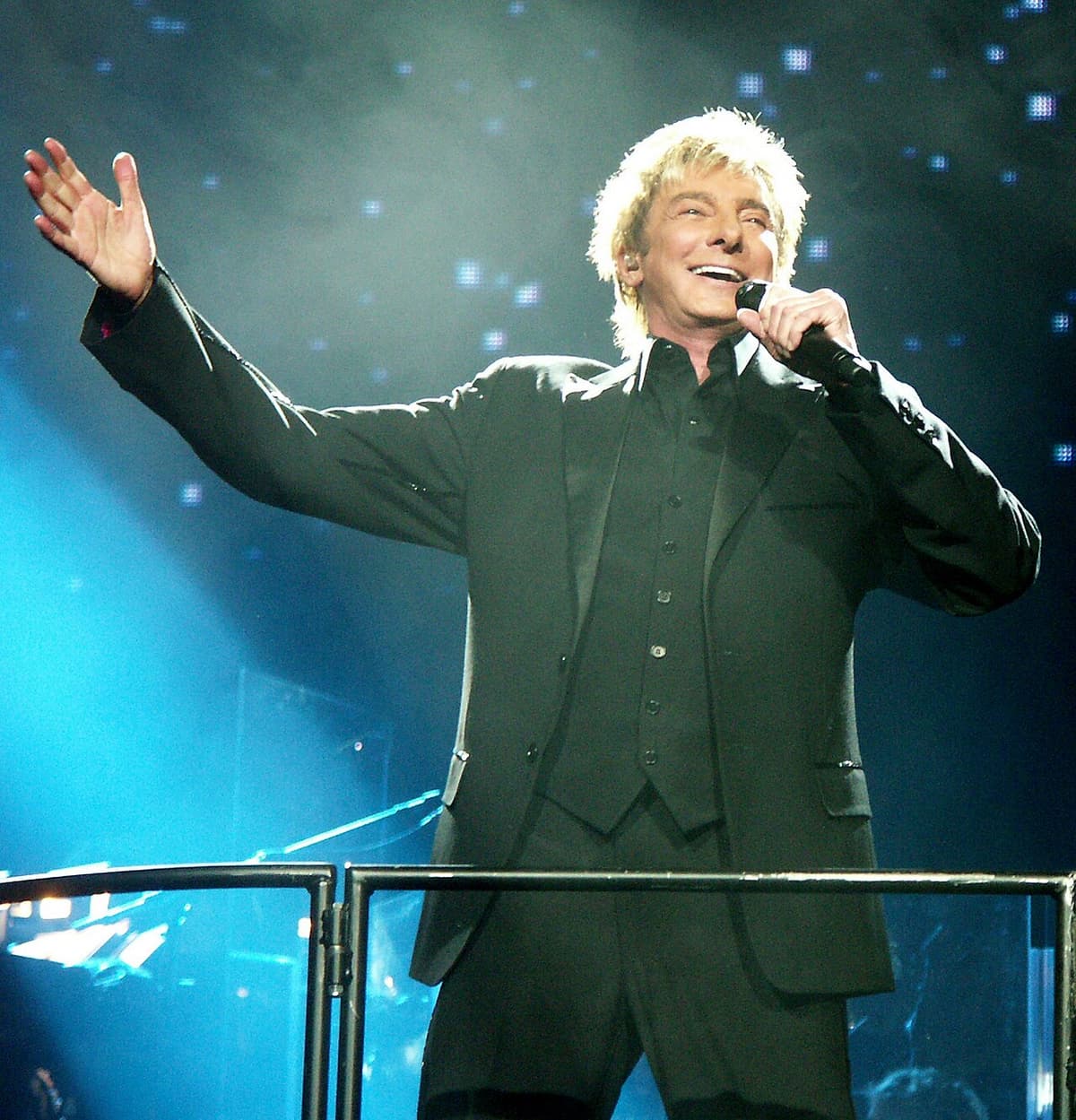
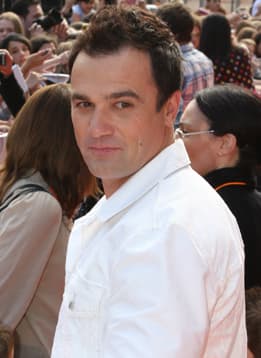
Shares orchestral_arrangement, studio_polished, wall_of_sound (production style); sentimental, triumphant, nostalgic (moods)
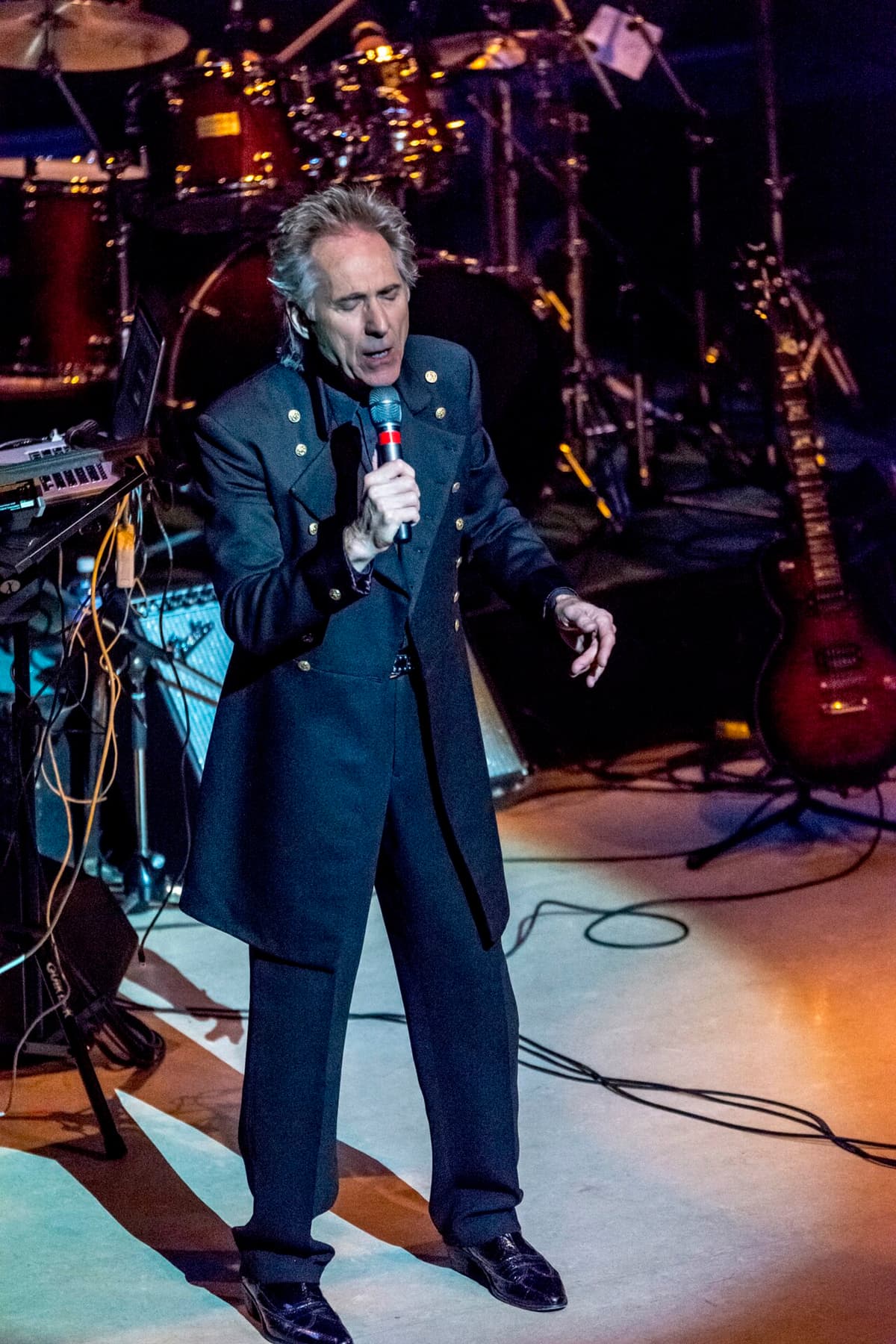
Shares sentimental, triumphant, nostalgic (moods); orchestral_arrangement, studio_polished, wall_of_sound (production style)

Shares studio_polished, orchestral_arrangement, analog_warmth (production style); soft rock, classic rock (subgenres)

Shares orchestral_arrangement, studio_polished, analog_warmth (production style); sentimental, triumphant, nostalgic (moods)
Cassette uses generative AI to enrich its catalog. How we use AI →