
Nana Mouskouri
Crystalline soprano vocals and lush orchestral arrangements that define mid-century European elegance. Timeless, multilingual ballads for quiet, reflective afternoons.
Crystalline soprano vocals and lush orchestral arrangements that define mid-century European elegance. Timeless, multilingual ballads for quiet, reflective afternoons.
Listening to Nana Mouskouri is like stepping into a perfectly preserved European salon from the 1960s. Her voice possesses a unique, bell-like clarity, a result of a rare physiological trait that gives her timbre an unmistakable purity. It is music that feels both immensely grand and deeply intimate, moving effortlessly between Greek folk traditions, jazz standards, and sweeping French chanson.
What truly sets her apart is her incredible linguistic dexterity and the emotional consistency she maintains across over a dozen languages. Whether she is singing in German, French, or her native Greek, the sentiment remains legible: a sophisticated blend of longing, romantic idealism, and a gentle, dignified melancholy. The production is almost always lush, featuring warm strings and delicate piano work that frames her voice as the centerpiece.
For those new to her massive catalog, the best entry point is her work from the late 60s and early 70s. Look for her collaborations with Michel Legrand or her iconic 'The White Rose of Athens'. It is the ideal soundtrack for moments that require grace, composure, and a touch of old-world glamour.
Ioanna "Nana" Mouskouri (Greek: Ιωάννα "Νάνα" Μούσχουρη [i.oˈana ˈnana ˈmusxuri]; born 13 October 1934) is a Greek singer and politician. Over the span of her career, she has released an estimated 450 albums in at least thirteen languages, including Greek, French, English, German, Dutch, Portuguese, Italian, Japanese, Spanish, Hebrew, Welsh, Mandarin Chinese and Corsican. Mouskouri became well known throughout Europe for the song "The White Rose of Athens", recorded first in German as "Weiße Rosen aus Athen" as an adaptation of her Greek song "Σαν σφυρίξεις τρείς φορές" (San sfyríxeis tris forés, "When you whistle three times"). It became her first record to sell over one million copies. Later, in 1963, she represented Luxembourg at the Eurovision Song Contest with the song "À force de prier", finishing eighth. Her friendship with the composer Michel Legrand led to the recording by Mouskouri of the theme song of the Oscar-nominated film The Umbrellas of Cherbourg. From 1968 to 1976, she hosted her own TV show produced by BBC, Presenting Nana Mouskouri. Her popularity as a multilingual television personality and distinctive image, owing to the then unusual signature black-rimmed glasses, turned Mouskouri into an international star. "Je chante avec toi Liberté", recorded in 1981, is perhaps her biggest hit, performed in at least five languages – French, English as "Song for Liberty", German as "Lied der Freiheit", Spanish as "Libertad" and Portuguese as "Liberdade". "Only Love", a song recorded in 1984 as the theme song of TV series Mistral's Daughter, gained worldwide popularity along with its other versions in French (as "L'Amour en Héritage"), Italian (as "Come un'eredità"), Spanish (as "La dicha del amor"), and German (as "Aber die Liebe bleibt"). It became her only UK hit single when it reached number two in February 1986. Mouskouri became a spokesperson for UNICEF in 1993. She was elected to the European Parliament as a Greek deputy from 1994 to 1999. In 2006, she was a special guest on Eurovision Song Contest 2006's final, presented as the best selling artist of all time. In 2015, she was awarded the Echo Music Prize for Outstanding Achievement by the German music association Deutsche Phono-Akademie. At the French 41st Victoires de la Musique ceremony held on 13 February 2026 in Paris, Mouskouri was honored with the special "Honorary Victory" (Victoire d'honneur).
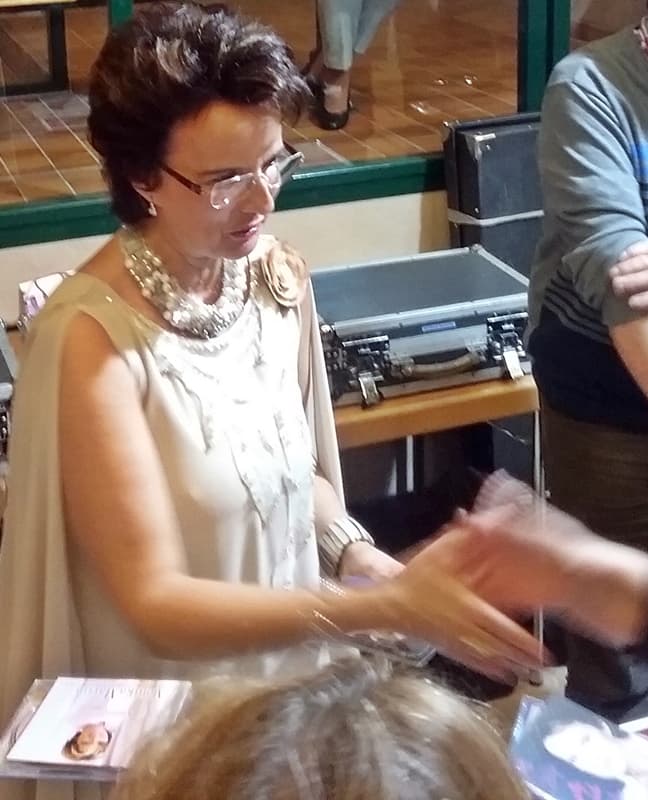
Shares studio polished, analog warmth, orchestral arrangement (production style); sentimental, wistful, serene (moods)
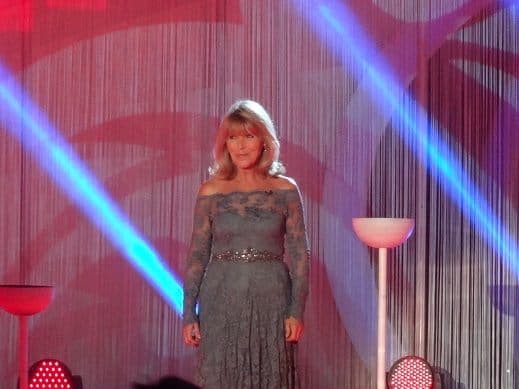
Shares studio polished, orchestral arrangement, analog warmth (production style); soprano, breathy, gentle (vocal style)

Shares studio polished, orchestral arrangement, analog warmth (production style); soprano, breathy, gentle (vocal style)

Shares studio polished, orchestral arrangement, analog warmth (production style); traditional pop, vocal jazz (subgenres)
Shares sentimental, wistful, serene (moods); traditional pop, vocal jazz (subgenres)
Shares studio polished, orchestral arrangement, analog warmth (production style); traditional pop, vocal jazz (subgenres)
Shares studio polished, orchestral arrangement, hi fi (production style); traditional pop, vocal jazz (subgenres)
Shares studio polished, orchestral arrangement, analog warmth (production style); soprano, breathy, gentle (vocal style)

Shares studio polished, orchestral arrangement, analog warmth (production style); traditional pop, vocal jazz (subgenres)
Shares sentimental, wistful, tender (moods); orchestral arrangement, studio polished, analog warmth (production style)
Shares sentimental, soprano, choir/choral, vocal jazz (signature)
Cassette uses generative AI to enrich its catalog. How we use AI →


