Matthew and the Atlas
Weather-beaten baritone vocals over delicate banjo and warm synth textures. Earthy, landscape-driven folk for quiet reflection and long autumn walks.
Weather-beaten baritone vocals over delicate banjo and warm synth textures. Earthy, landscape-driven folk for quiet reflection and long autumn walks.
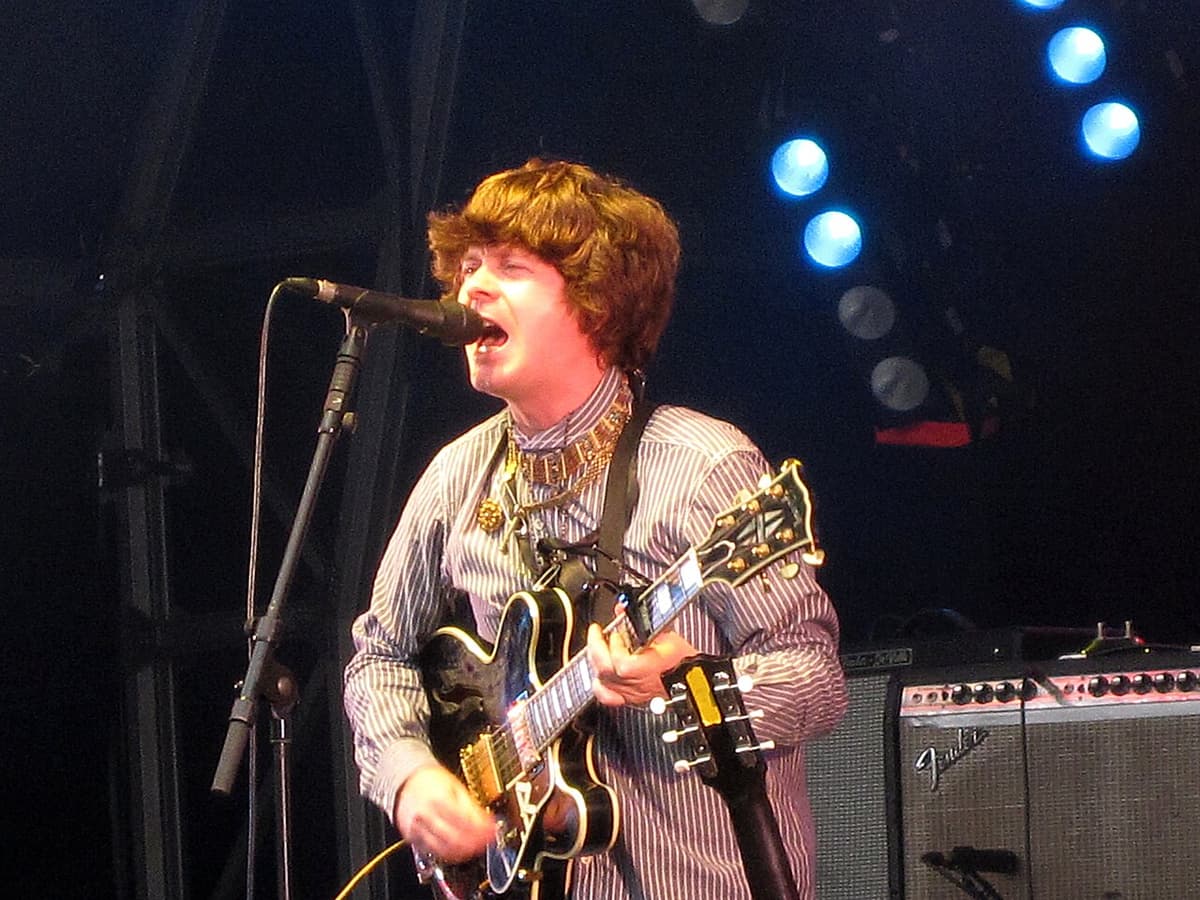
Matthew and the Atlas, led by Matthew Hegarty, emerged as a pivotal figure in the British indie folk revival of the late 2000s. Originally the first artist signed to Communion Records, the project helped define the 'Communion sound' alongside peers like Mumford & Sons and Bear's Den.
Hegarty's sound identity is defined by his unique vocal timbre, a raspy baritone often compared to a younger Tom Waits or a folk-oriented Leonard Cohen. His career arc shows a sophisticated evolution from the banjo-heavy stomp of early EPs like 'To the North' to the synth-laden, polished textures of 'Other Rivers' and the cinematic, expansive folk-rock of 'Temple.' Hegarty's background in heavy alternative rock informs a certain structural intensity and melodic darkness not always found in traditional folk. Critically, he is praised for his ability to merge pastoral imagery with modern existential anxiety. He occupies a specific niche for listeners who value the 'Stumbler' aesthetic of the 2010s folk movement but desire more vocal character and atmospheric depth than mainstream pop-folk provides.
Shares banjo, chamber folk, cabin_in_woods, folk rock (signature)
Shares fog, chamber folk, cabin_in_woods, folk rock (signature)
Shares chamber folk, cabin_in_woods, folk rock, acoustic folk (subgenre)
Shares fog, chamber folk, cabin_in_woods, acoustic folk (signature)
Shares chamber folk, cabin_in_woods, acoustic folk, indie folk (subgenre)
Shares banjo, chamber folk, cabin_in_woods, folk rock (instrumentation)
Cassette uses generative AI to enrich its catalog. How we use AI →