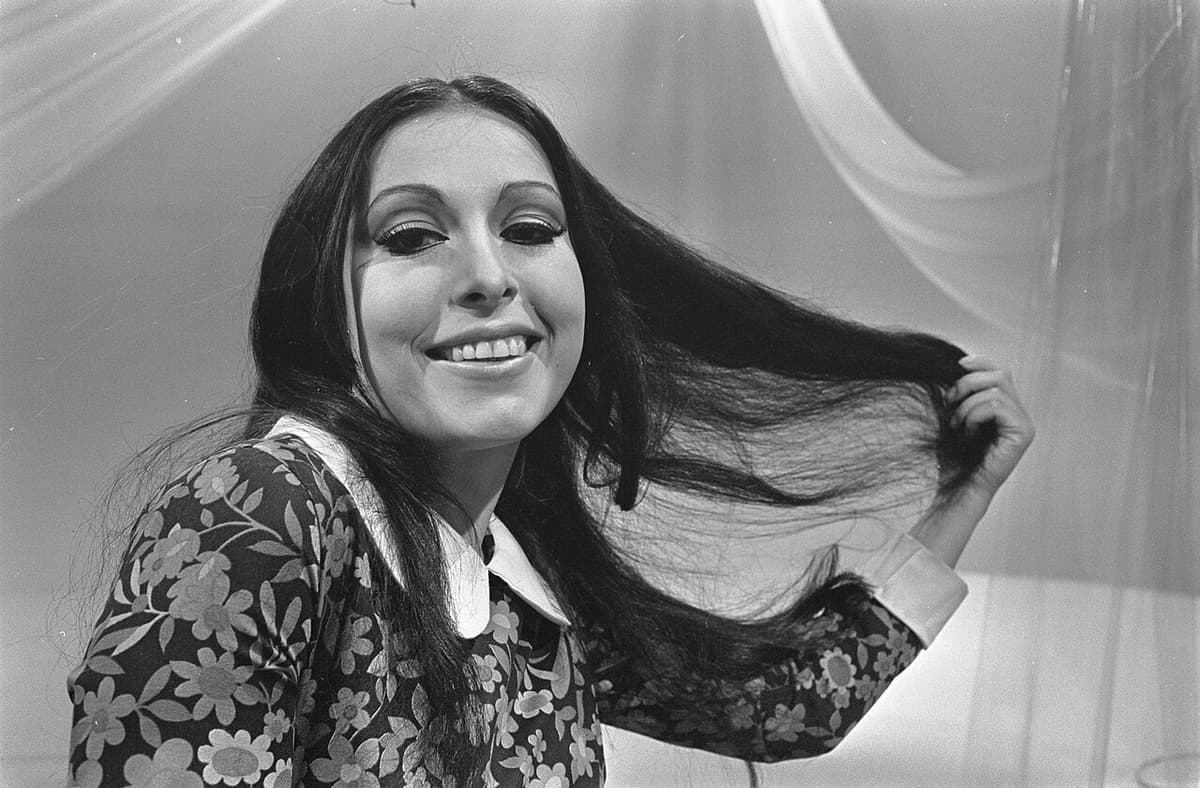
Massiel
Effervescent 60s pop with a hidden edge. Orchestral swells and triumphant vocals that carry both festival joy and sharp social commentary.
Effervescent 60s pop with a hidden edge. Orchestral swells and triumphant vocals that carry both festival joy and sharp social commentary.
Massiel's music is a masterclass in the mid-century European pop aesthetic, where lush orchestral arrangements meet a voice that demands to be heard. It sounds like a Technicolor film set in Madrid, full of bright brass stabs, driving percussion, and melodies that feel instantly familiar yet surprisingly sophisticated. There is a palpable sense of momentum in her classic recordings, a 'La, la, la' energy that is impossible to ignore.
What truly sets her apart is the friction between her sunny, Eurovision-winning exterior and her roots as a protest singer. Beneath the shimmering production lies a sharp lyrical sensibility influenced by folk and theater. She doesn't just sing pop songs; she performs them with a theatrical gravity and a clear, piercing vocal tone that cuts through the densest arrangements. It is music that feels both celebratory and intellectually engaged.
Start with her 1968 hits to capture the peak of Spanish mod-pop, then dive into her mid-70s work for a more nuanced, folk-influenced experience. It is the perfect soundtrack for moments that require a boost of confidence or a touch of vintage Mediterranean glamour.
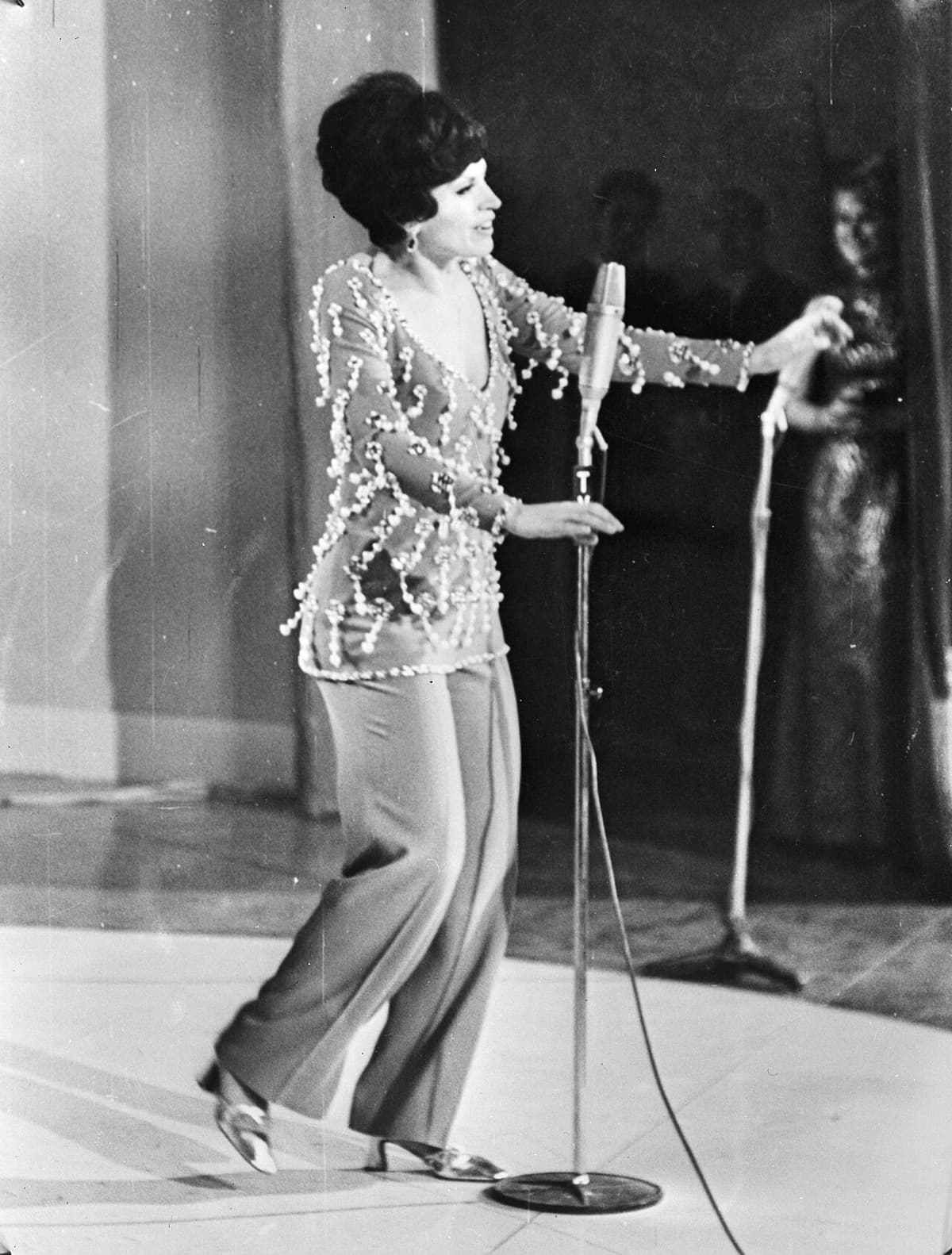
María de los Ángeles Felisa Santamaría Espinosa (born 2 August 1947), known professionally as Massiel (pronounced [maˈsjel]), is a Spanish pop and protest singer. She won the Eurovision Song Contest 1968 with the song "La, la, la", being the first performer from Spain to ever win the contest. She released her first recordings in 1966. She decided to abandon her music career in 1996, but released another album a year later and a further one in 2007, along with two new editions of 1970s albums.

Shares traditional pop, baroque pop, folk rock (subgenres); orchestral arrangement, studio polished, analog warmth (production style)

Shares orchestral arrangement, studio polished, analog warmth (production style); belting, soprano, intense (vocal style)
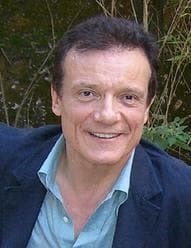
Shares orchestral arrangement, studio polished, analog warmth (production style); traditional pop, baroque pop (subgenres)

Shares traditional pop, baroque pop (subgenres); orchestral arrangement, studio polished, analog warmth (production style)
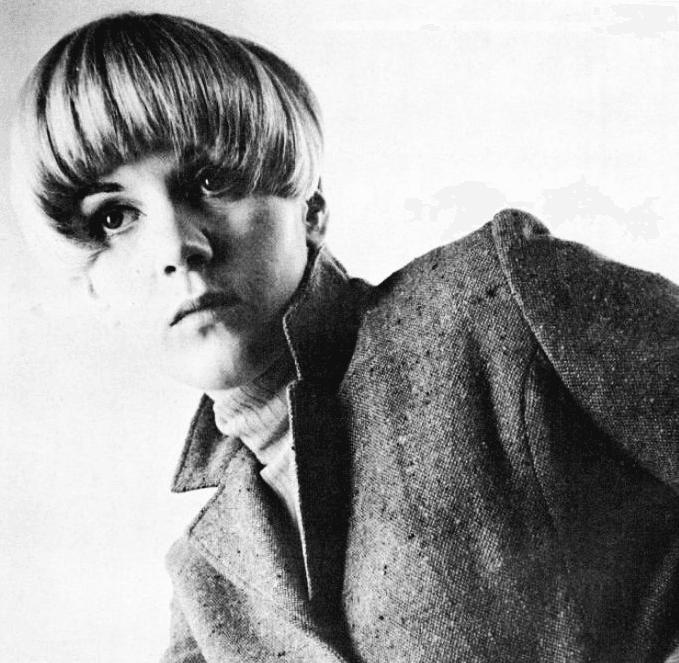
Shares traditional pop, baroque pop (subgenres); orchestral arrangement, studio polished, analog warmth (production style)

Shares studio polished, orchestral arrangement, analog warmth (production style); traditional pop, eurodance (subgenres)
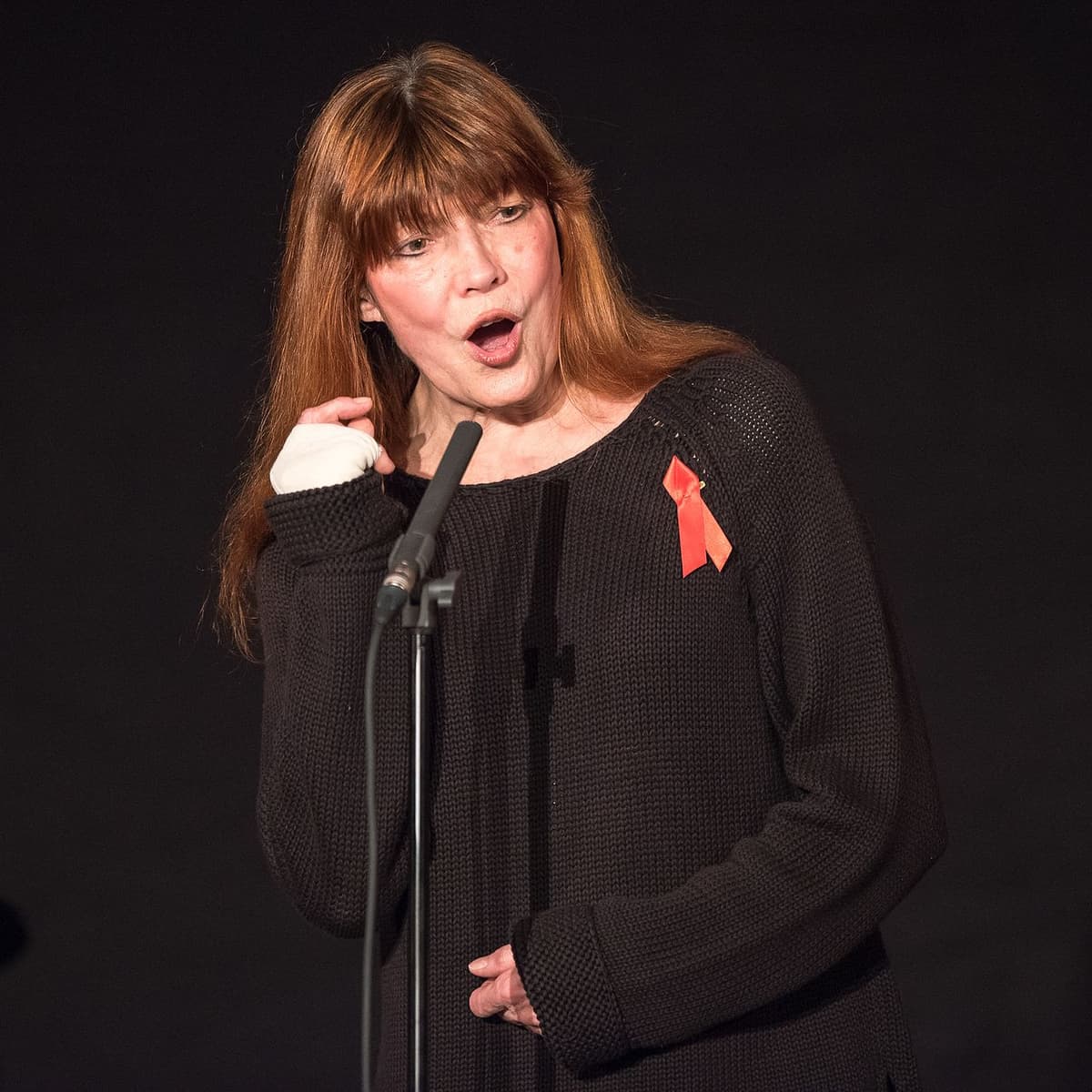
Shares orchestral arrangement, studio polished, analog warmth (production style); traditional pop, baroque pop (subgenres)
Shares orchestral arrangement, studio polished, analog warmth (production style); belting, soprano, narrating (vocal style)
Shares orchestral arrangement, studio polished, analog warmth (production style); traditional pop, baroque pop (subgenres)
Shares traditional pop, baroque pop (subgenres); orchestral arrangement, studio polished, analog warmth (production style)
Cassette uses generative AI to enrich its catalog. How we use AI →

