Maskinen
Aggressive Swedish electro-rap fueled by heavy bass and baile funk rhythms. High-octane club music for the front row of a festival stage.
Aggressive Swedish electro-rap fueled by heavy bass and baile funk rhythms. High-octane club music for the front row of a festival stage.
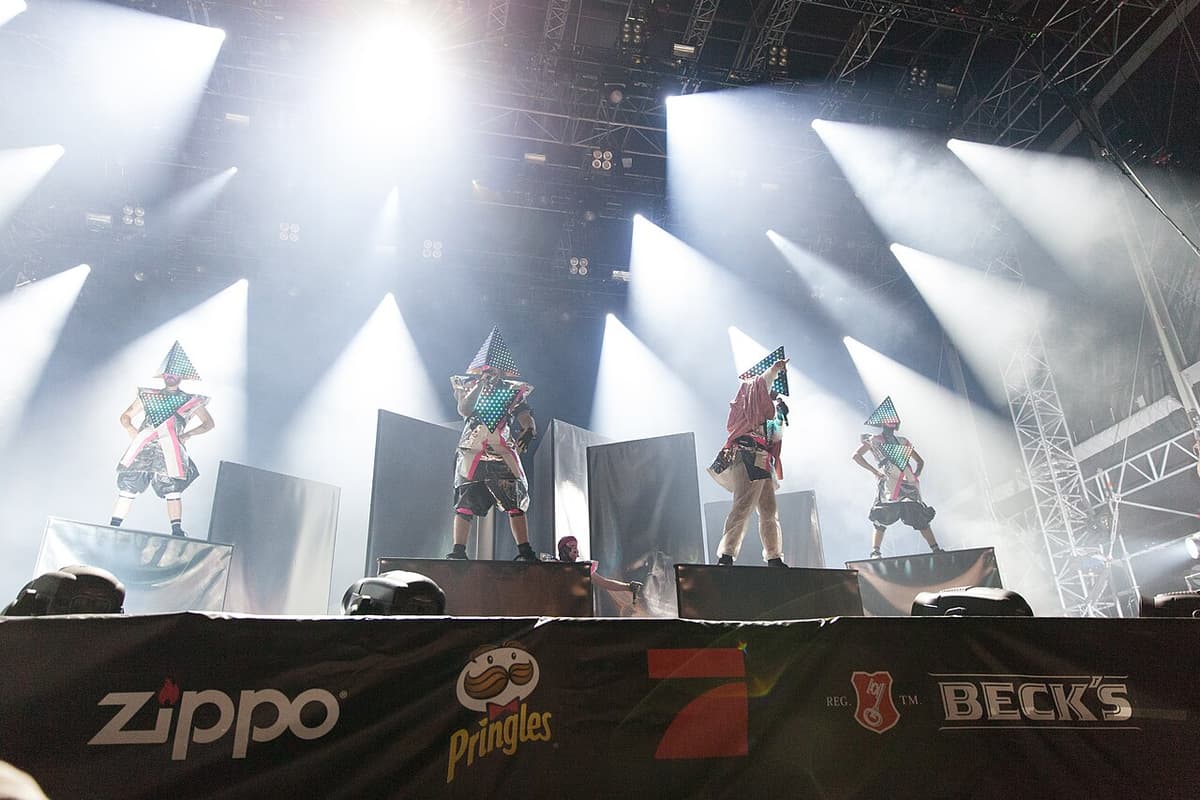
Maskinen sounds like a high-speed collision between Swedish hip-hop and the raw, percussive energy of a Brazilian favela party. Their sound is defined by massive, distorted basslines and sharp, digital synths that demand movement. It is music that refuses to sit in the background, characterized by a relentless 'four-on-the-floor' urgency and a gritty, industrial edge that feels both polished and dangerously unhinged.
What makes them distinctive is the chemistry between Herbert Munkhammar's rhythmic precision and Frej Larsson's chaotic, punk-infused energy. They pioneered a specific brand of 'electro-rap' in Scandinavia that traded traditional boom-bap for aggressive electronic textures and baile funk influences. Their lyrics often balance hedonistic party anthems with a biting, satirical look at Swedish society, delivered with a signature deadpan swagger.
Start with 'Alla som inte dansar' to understand their cultural impact; it is the definitive Swedish club anthem of its era. From there, move to 'Segertåget' for a masterclass in how they blend pop sensibilities with heavy electronic production. It is the perfect entry point for anyone who wants to feel the peak energy of the 2010s Swedish underground crossover.
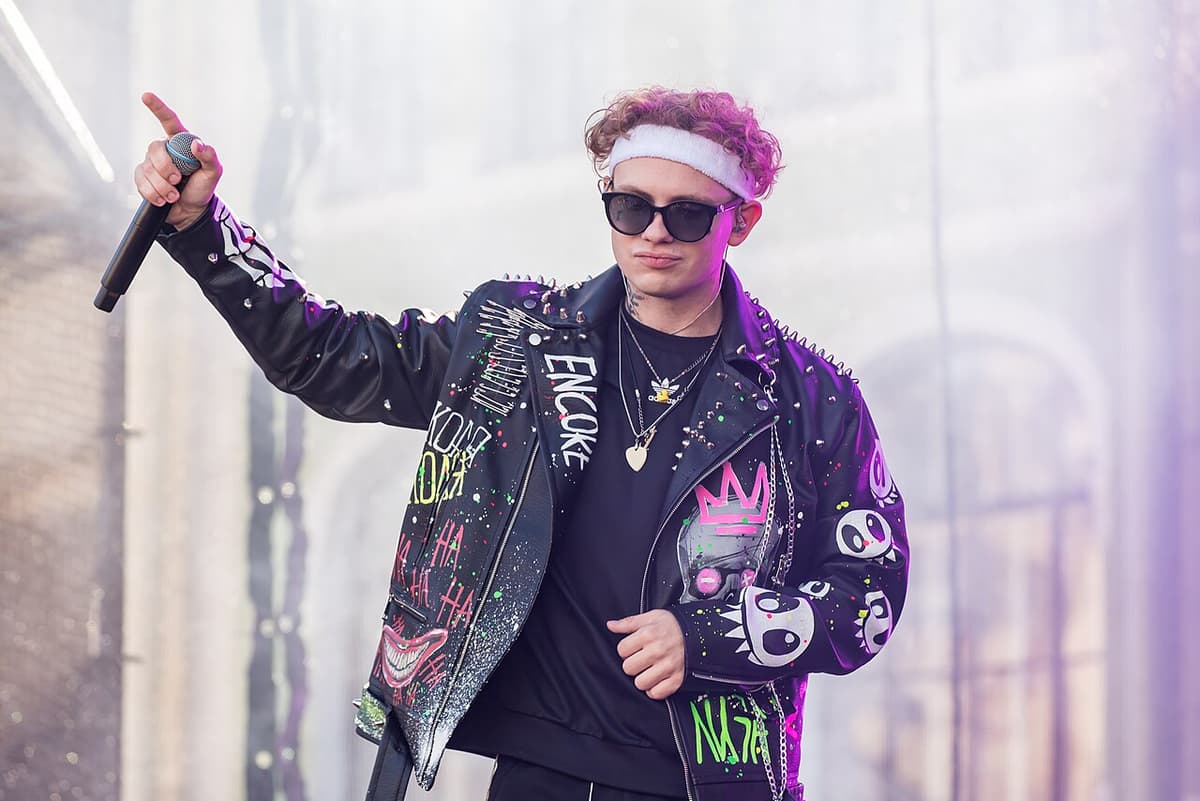
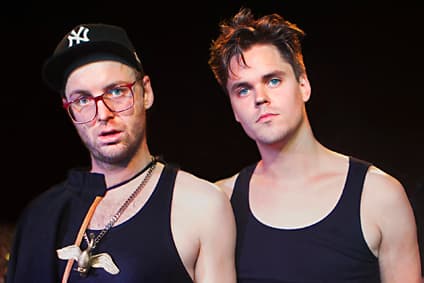
Maskinen (Swedish: [maˈɧǐːnɛn], "The Machine") is a Swedish music group consisting of the rapper Herbert Munkhammar who was earlier part of the duo Afasi & Filthy and Frej Larsson, also a member of the band Slagsmålsklubben and duo Far & Son. Oskar "Kihlen" Linnros, formerly a member of the band Snook, was a member of Maskinen but left after the release of the single "Segertåget". Maskinen's music style is alternative electro/hip hop with influences from baile funk. The band has released three albums, Boys II Men, Framgång & Efterfrågan (Swedish for 'Success & Demand')) and Stora Fötter Stora Skor ("Big Feet Big Shoes").
Shares maximalist, digital clarity, compressed loud (production style); playful, energetic, rebellious (moods)
Shares maximalist, digital clarity, compressed loud (production style); electropop, dance-pop (subgenres)
Shares maximalist, digital clarity, compressed loud (production style); rap, deadpan, processed (vocal style)
Shares electropop, trap, dance-pop (subgenres); maximalist, digital clarity, compressed loud (production style)
Shares electropop, trap, dance-pop (subgenres); maximalist, digital clarity, compressed loud (production style)
Shares maximalist, digital clarity, compressed loud (production style); trap, dance-pop (subgenres)
Shares electropop, trap, dance-pop (subgenres); maximalist, digital clarity, compressed loud (production style)
Cassette uses generative AI to enrich its catalog. How we use AI →