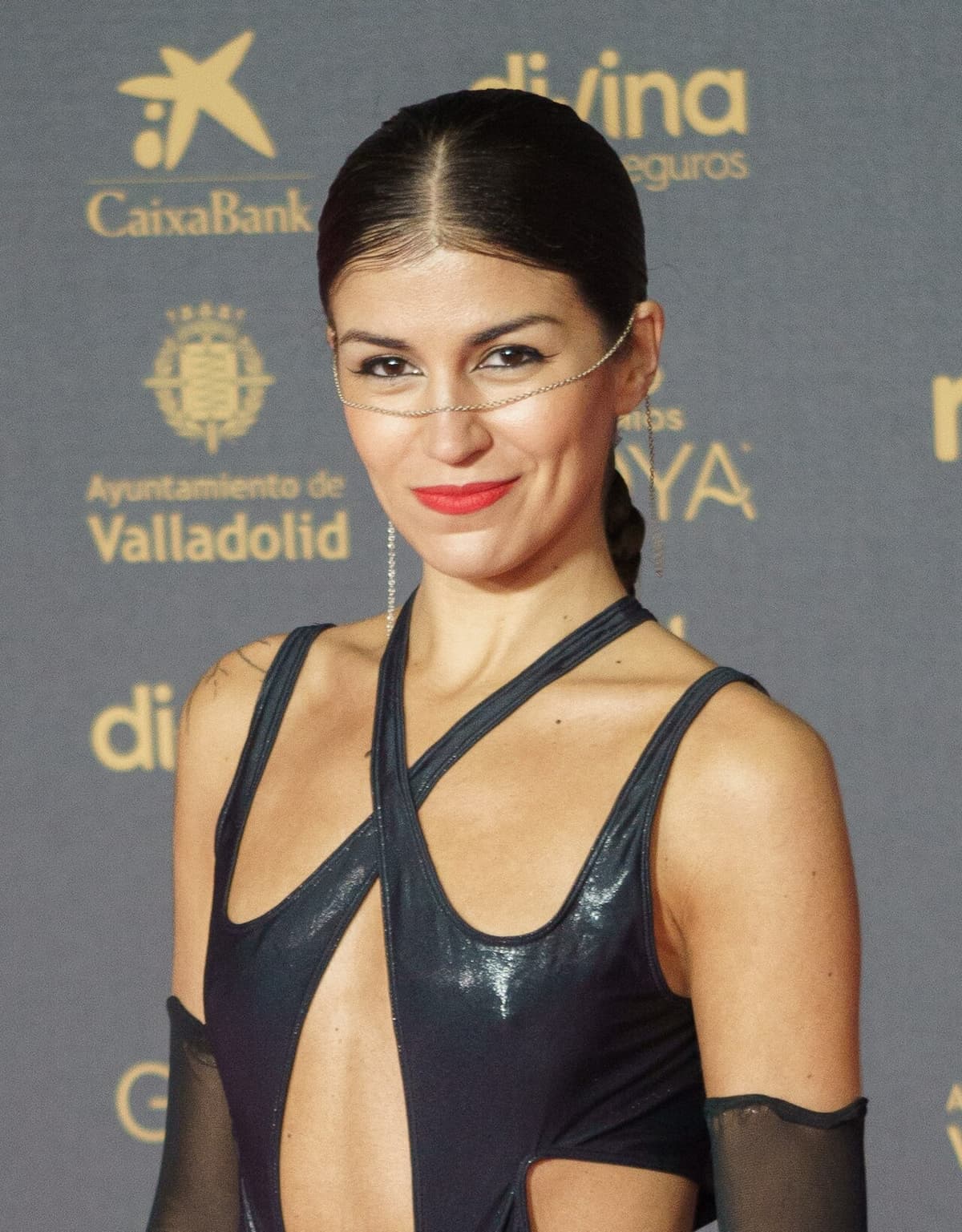
Marina Herlop
Crystalline piano and glitchy, alien vocals woven into intricate rhythmic webs. Avant-garde pop that feels like a garden growing inside a computer.
Crystalline piano and glitchy, alien vocals woven into intricate rhythmic webs. Avant-garde pop that feels like a garden growing inside a computer.
Marina Herlop creates music that feels like a biological process occurring in a digital vacuum. It is incredibly precise, yet it breathes with the erratic energy of nature. Her sound is defined by sharp, percussive piano lines and vocal stacks that have been sliced and rearranged into shimmering, rhythmic patterns. It is beautiful in a way that feels slightly uncanny, like a flower made of glass.
What truly sets her apart is the way she bridges the gap between her conservatory training and futuristic electronic production. She uses her voice as a purely textural instrument, often singing in an invented language that prioritizes phonetics and rhythm over literal meaning. This allows the listener to focus on the sheer architecture of the sound, where South Indian Carnatic influences meet glitchy, high-definition synthesis.
Start with the album Pripyat. It is the perfect entry point into her world, showcasing her transition from a classical pianist to a master of complex, electronic world-building. It is an album that demands your full attention, rewarding you with layers of detail that reveal themselves only after multiple listens.
Marina Hernández López (born 1992), known professionally as Marina Herlop, is a Catalan pianist, singer, and experimental musician. She is known for her fusion of classical and avant-garde styles in her music. Herlop uses an invented language in her lyrics, mixing elements from existing languages and her own constructed vocabulary.
Cassette uses generative AI to enrich its catalog. How we use AI →


