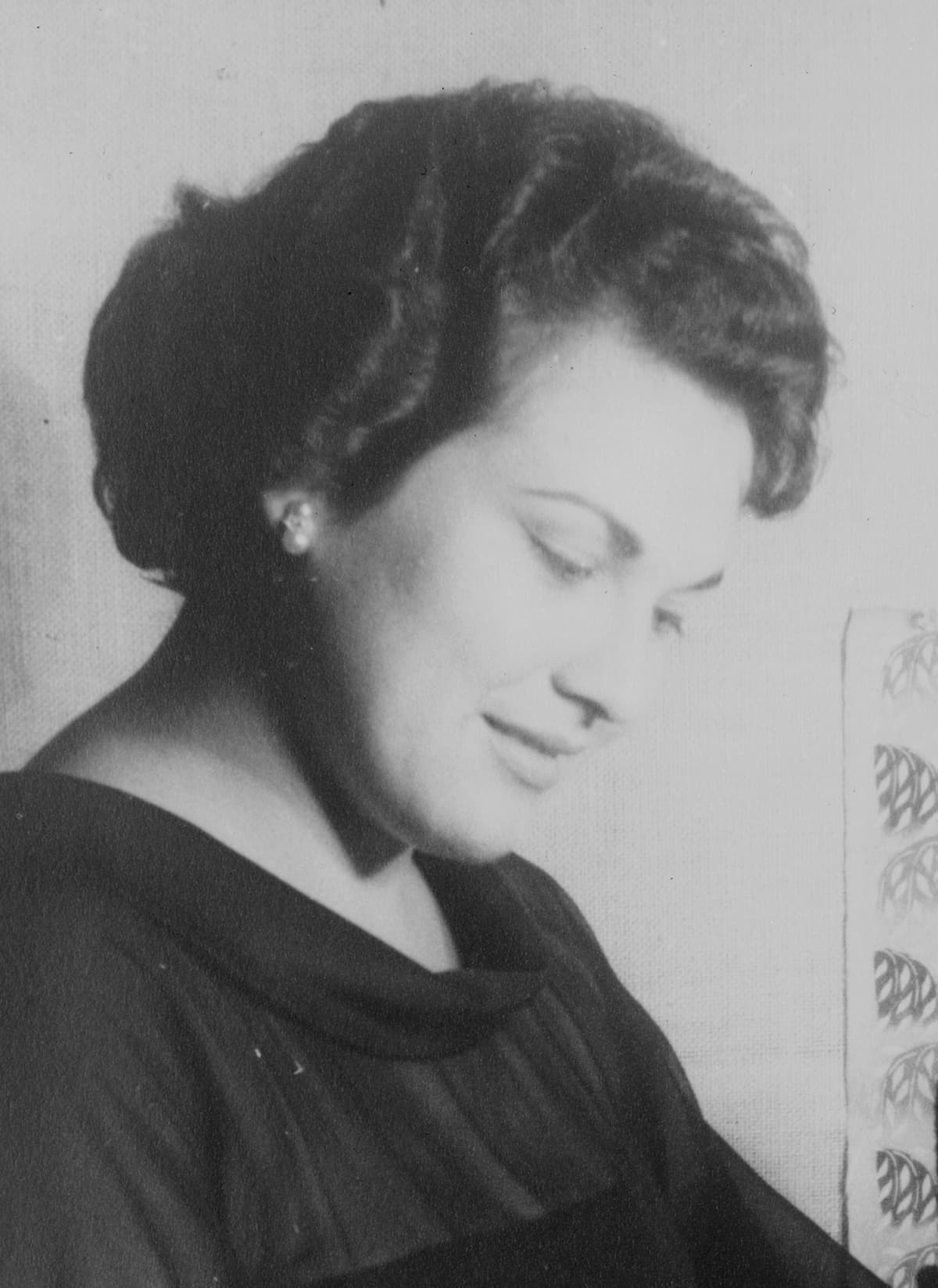
Marilyn Horne
Athletic, high-voltage mezzo-soprano vocals that navigate impossible runs with steel-trap precision. The definitive sound of Rossini and heroic operatic drama.
Athletic, high-voltage mezzo-soprano vocals that navigate impossible runs with steel-trap precision. The definitive sound of Rossini and heroic operatic drama.
Listening to Marilyn Horne is like watching a world-class athlete perform high-wire acrobatics with the weight of a freight train. Her voice possesses a unique combination of 'earthy' chest resonance and 'heavenly' agility, allowing her to tackle the most demanding coloratura passages in the history of opera without ever sounding thin or strained. It is a sound of immense authority and technical perfection.
What truly sets her apart is her versatility across registers. While many singers struggle with the transition between their low and high notes, Horne turned this 'break' into a feature, using her powerful lower range to ground her performances before launching into lightning-fast runs. Her partnership with Joan Sutherland remains the gold standard for vocal chemistry, where two distinct timbres merged into a singular, shimmering wall of sound.
For those new to her work, start with her Rossini recitals or her legendary recordings of 'Semiramide'. If you want to hear her softer, more populist side, her 'Great American Songbook' recordings reveal a singer who could treat a simple folk melody with the same reverence and technical care as a complex Handel aria.
Marilyn Berneice Horne (born January 16, 1934) is an American mezzo-soprano opera singer. She specialized in roles requiring beauty of tone, excellent breath support, and the ability to execute difficult coloratura passages. She is a recipient of the National Medal of Arts and the Kennedy Center Honors, and has won four Grammy Awards.
Cassette uses generative AI to enrich its catalog. How we use AI →


