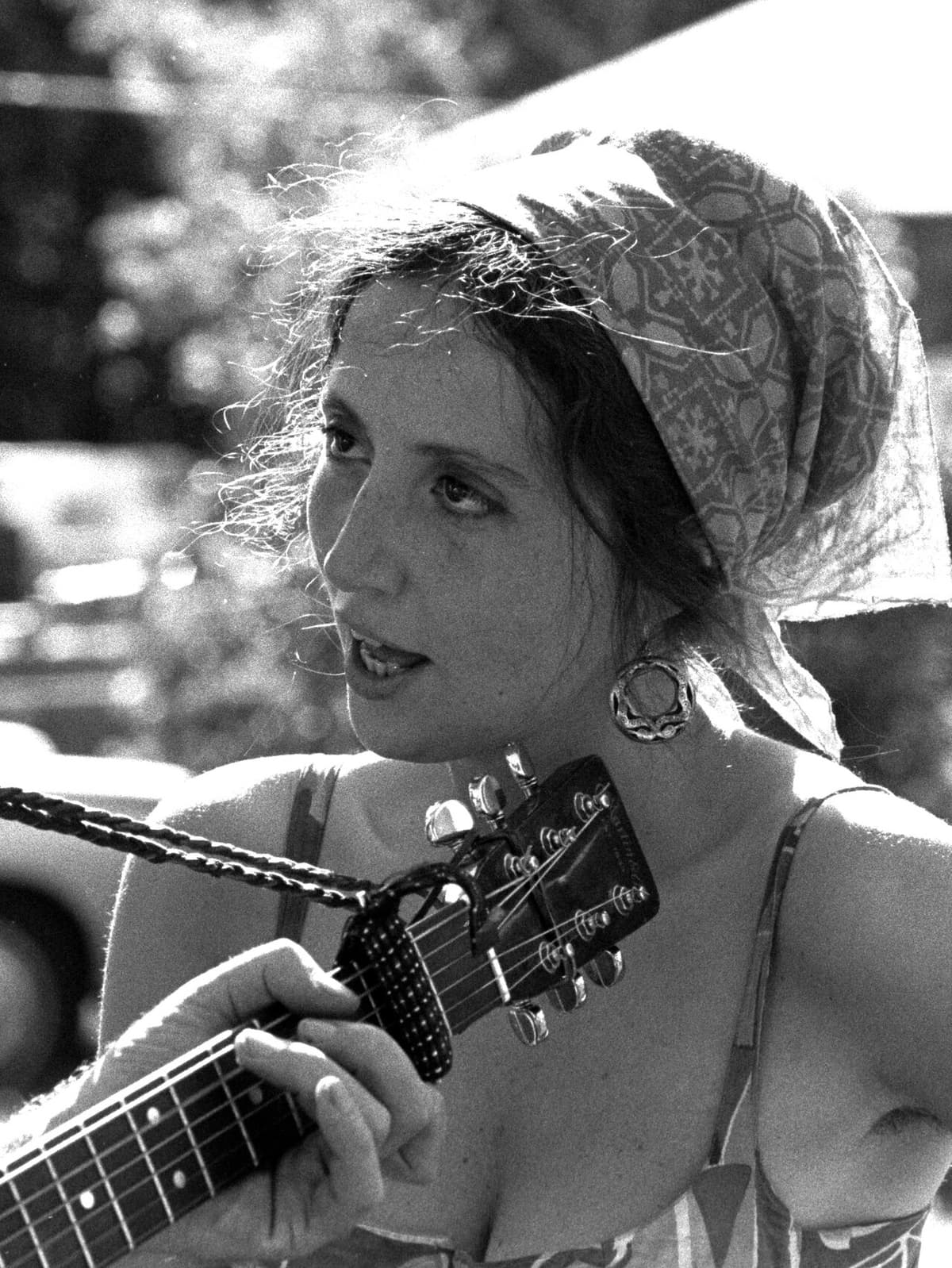
Maria Muldaur
Sultry, genre-blurring vocals that drift between desert pop and gritty delta blues. Warm, organic music for late nights and slow-burning summer afternoons.
Sultry, genre-blurring vocals that drift between desert pop and gritty delta blues. Warm, organic music for late nights and slow-burning summer afternoons.
Maria Muldaur possesses a voice that feels like a shared secret. It is a rich, flexible instrument that can pivot from a playful, breathy coo to a weathered, authoritative blues growl without losing its essential warmth. Her sound is a tapestry of American roots music, weaving together the loose energy of 1960s jug bands with the sophisticated arrangements of 1970s pop and the deep, spiritual resonance of traditional gospel and blues.
What truly sets her apart is her ability to inhabit a song's character. Whether she is playing the role of the desert temptress or the world-weary waitress, there is a distinct sense of humor and sensuality in her delivery. Her music often features a 'hand-played' quality, favoring acoustic textures, upright basses, and tasteful brass that make the listener feel like they are sitting in the front row of an intimate, smoke-filled club.
To understand her magic, start with her self-titled 1973 debut for the iconic 'Midnight at the Oasis', then dive into her later-career blues explorations like 'Don't You Feel My Leg'. She is the bridge between the Greenwich Village folk revival and the polished roots-rock of the Laurel Canyon era, offering a masterclass in vocal personality and stylistic versatility.
Maria Muldaur (born Maria Grazia Rosa Domenica D'Amato; September 12, 1942) is an American folk and blues singer who was part of the American folk music revival in the early 1960s. She recorded the 1973 hit song "Midnight at the Oasis" and has recorded albums in the folk, blues, early jazz, gospel, country, and R&B traditions. She was the wife of musician Geoff Muldaur and is the mother of singer-songwriter Jenni Muldaur.
Cassette uses generative AI to enrich its catalog. How we use AI →


